
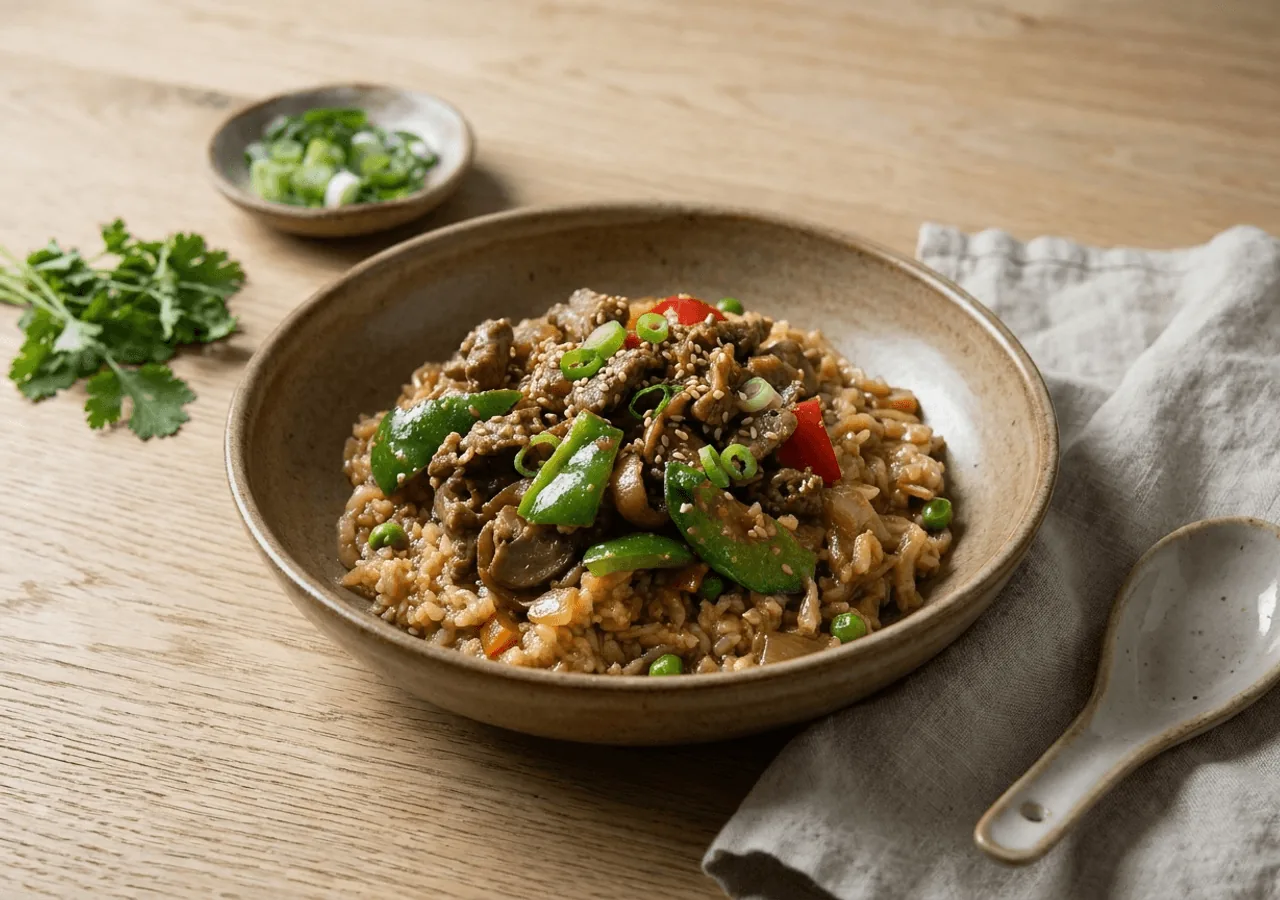
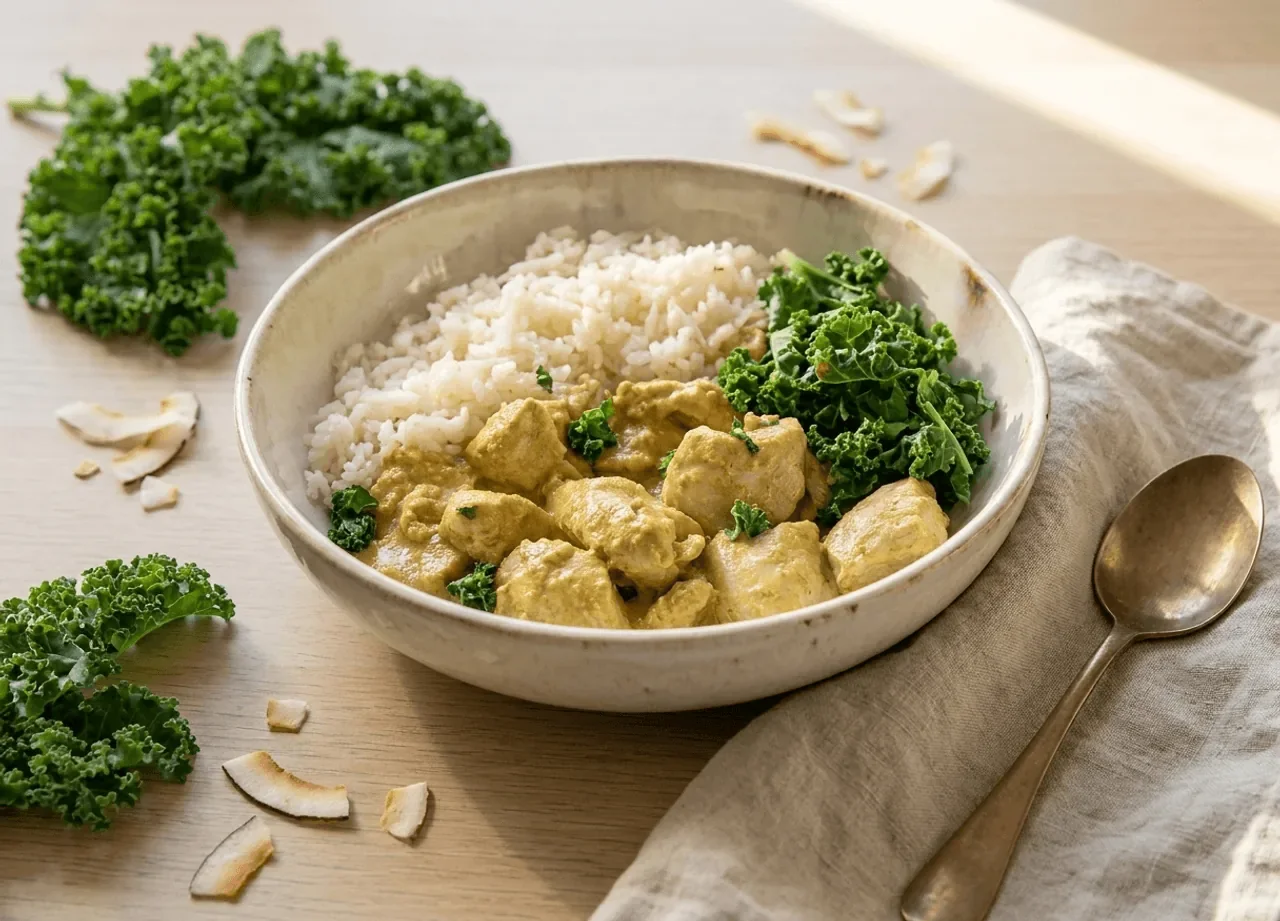
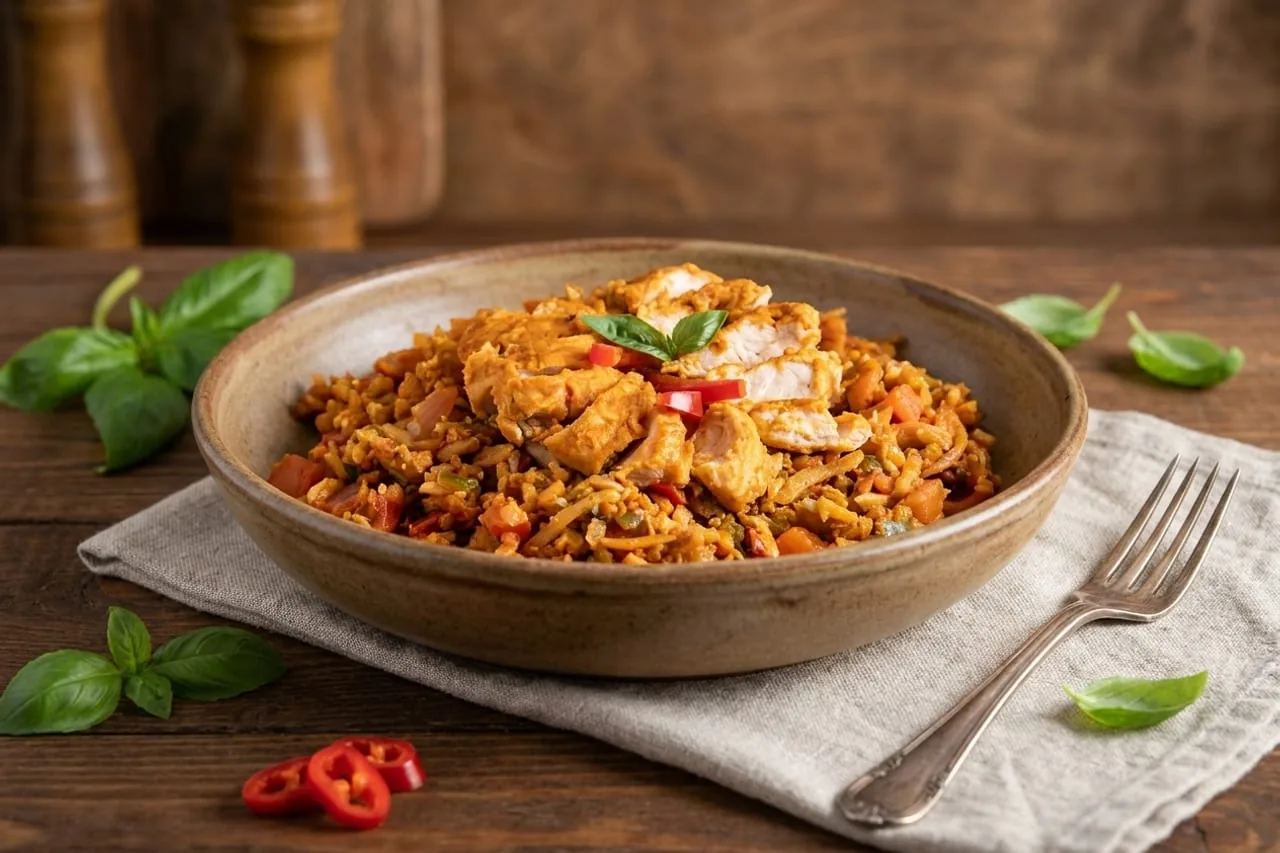
 The Mounjaro Meals Plan — live & orderable
7 ready meals · 28g avg protein · $90.65See the plan ↓
The Mounjaro Meals Plan — live & orderable
7 ready meals · 28g avg protein · $90.65See the plan ↓
Mounjaro meals: a food plan for a dual-action appetite.
Tirzepatide works on two gut-hormone receptors at once, and for many people the effect on appetite is striking — meals shrink, heavy food loses its appeal, and getting enough protein becomes the real daily puzzle. This page covers how that plays out at the table, the food strategies people commonly use, and how Preptide's GLP-1 meal range is built to support it.
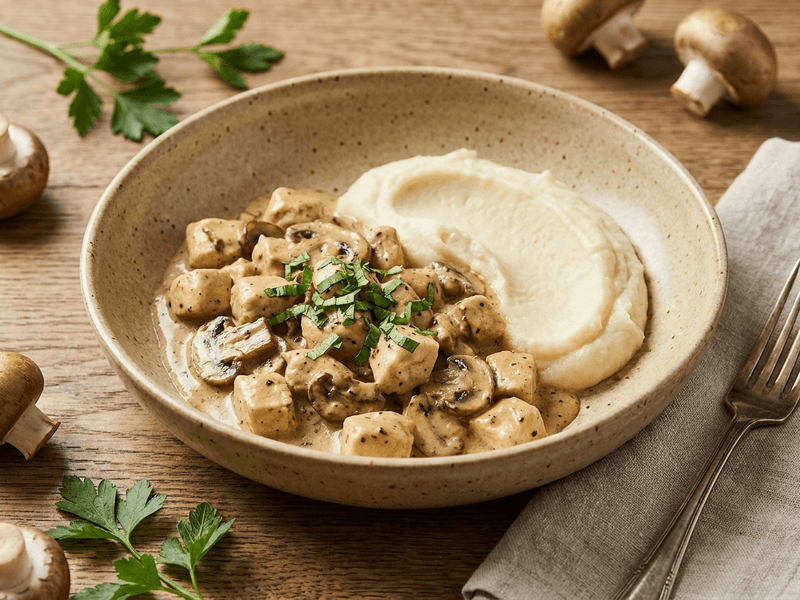
The Mounjaro Meals Plan · updated 26 August 2026
This week’s Mounjaro meals, in one plan.
The 7 meals in this plan
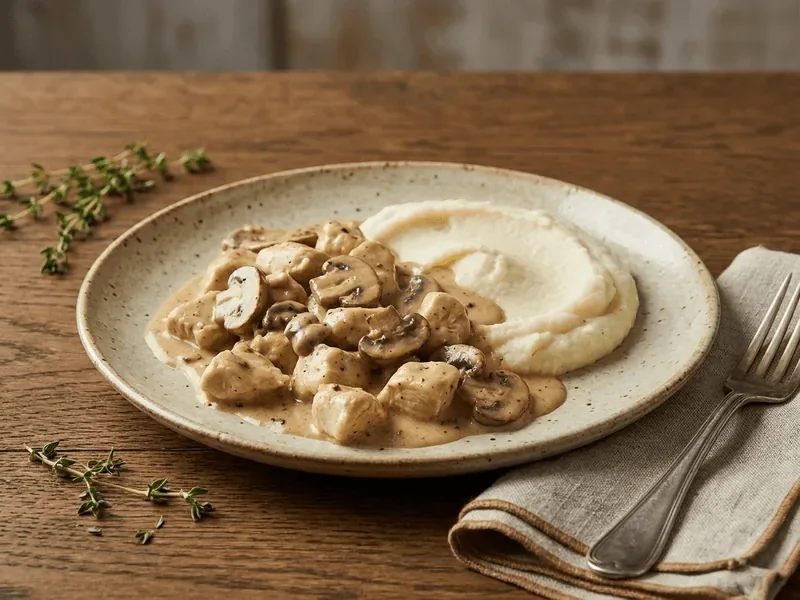
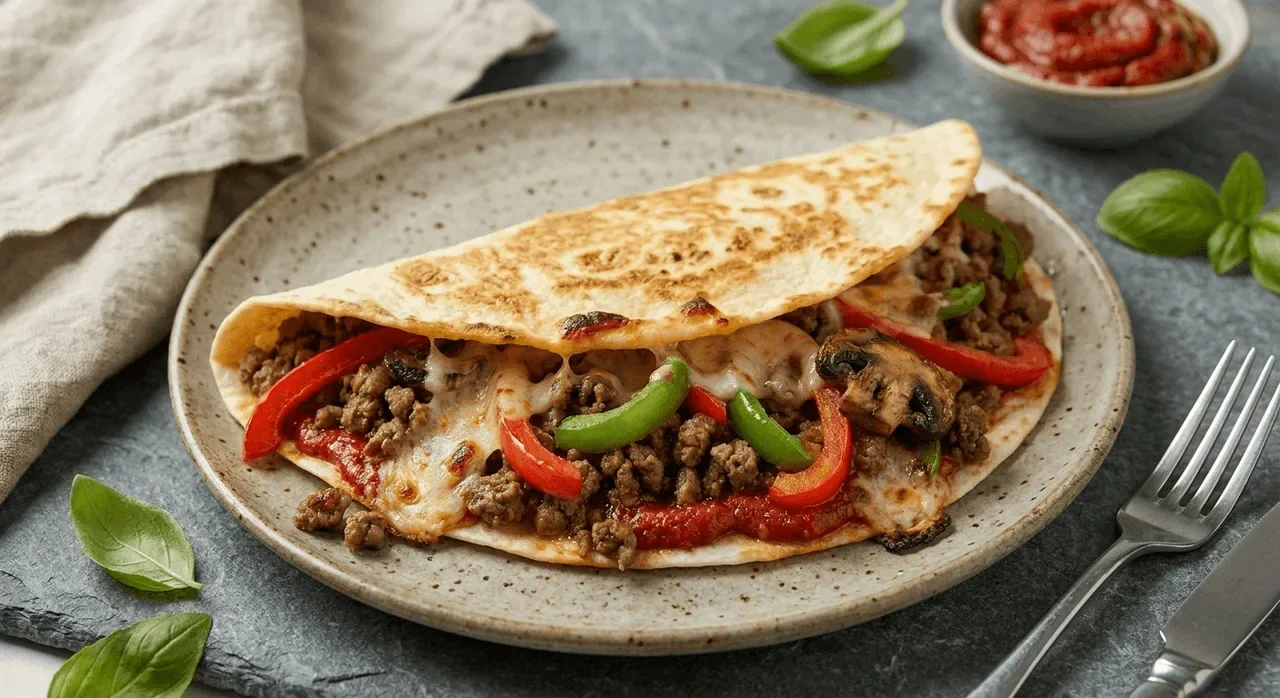
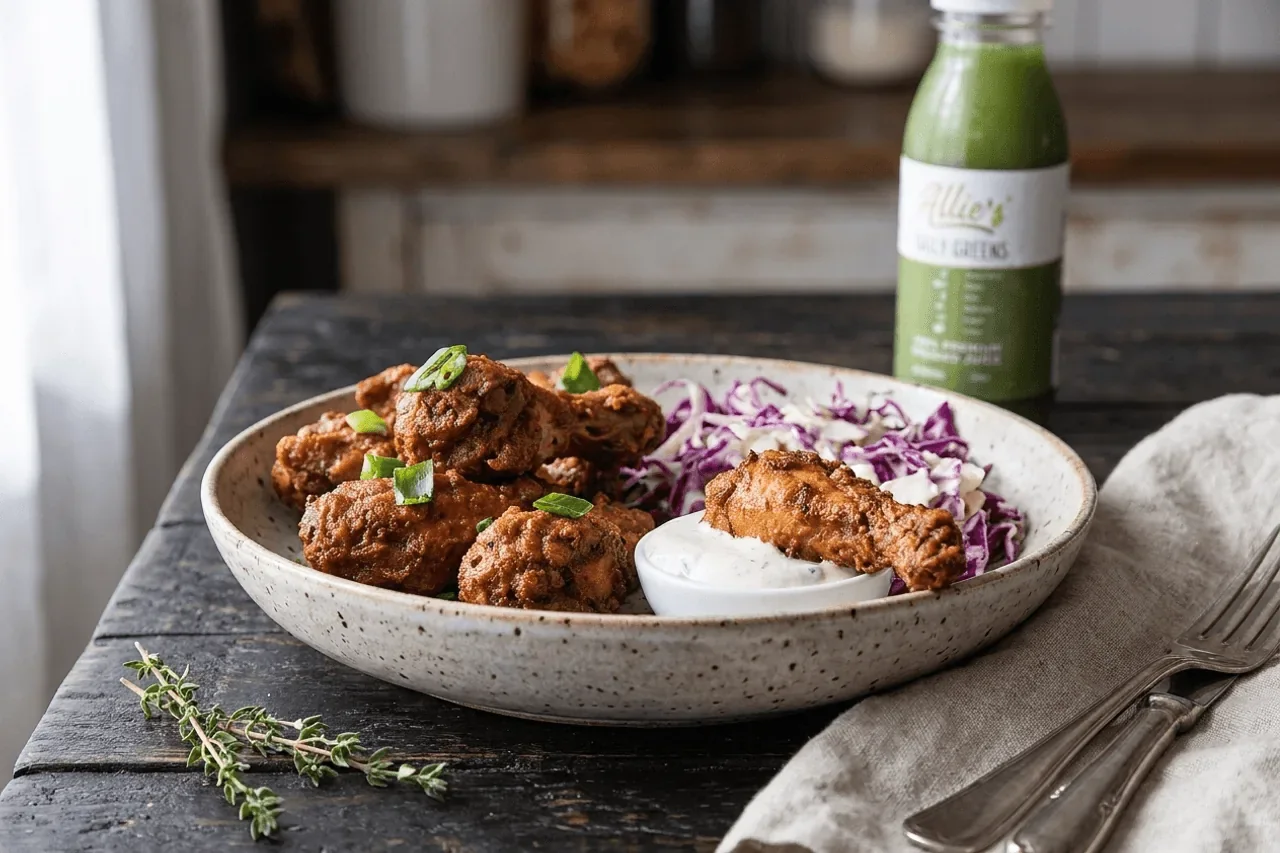
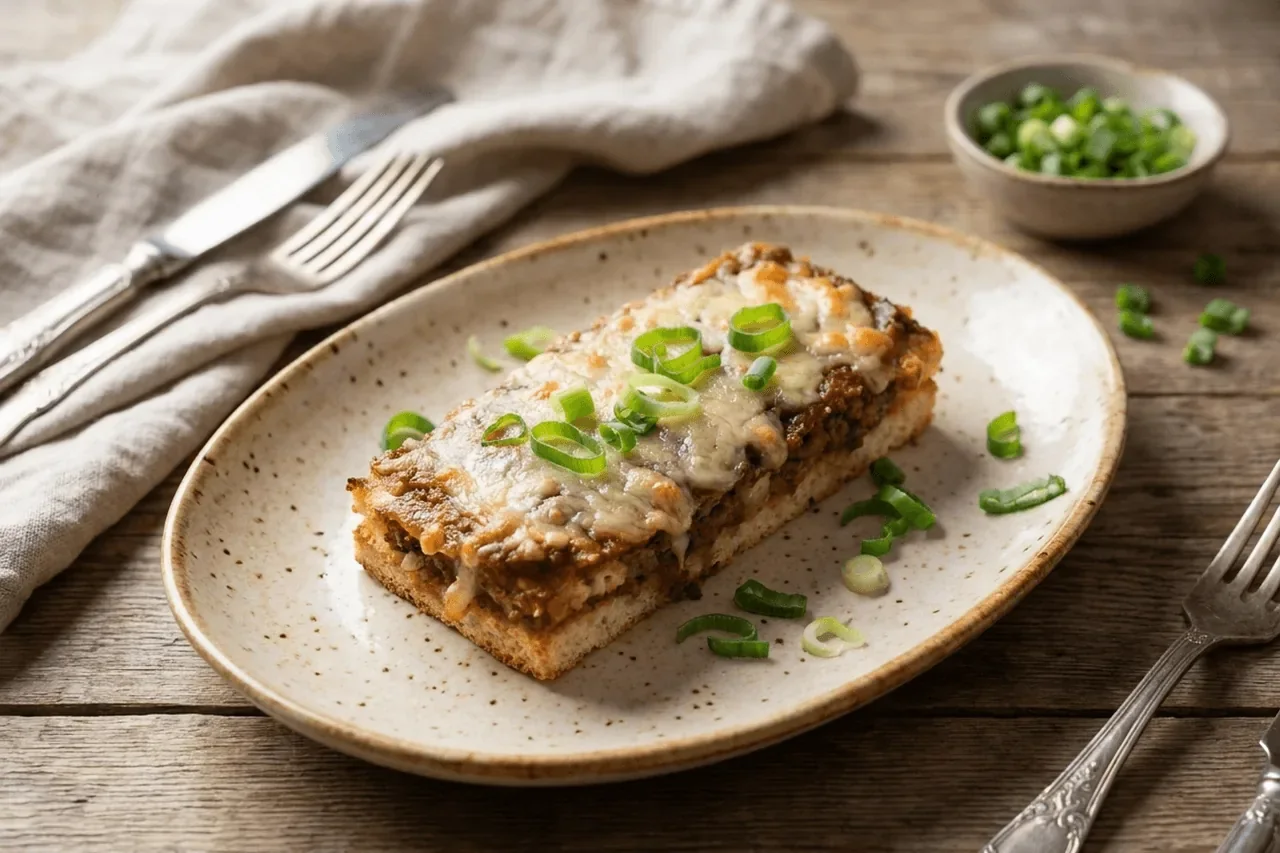
198g of protein across the plan · every macro published before you order.
Seven ready meals chosen for people eating on Mounjaro — smaller serves, higher protein, no cooking. Independent food: we do not sell, prescribe or recommend prescription medicines.
- Meals
- 7
- Avg protein
- 28g
- Avg calories
- 309
- The plan
- $90.65
Swap any meal or skip any week before the weekly cutoff · Delivered across Sydney, Melbourne & Brisbane · Food only — not a medicine and not medical advice.
What dual GIP/GLP-1 action means at the table.
Mounjaro's active ingredient, tirzepatide, is a dual agonist: it activates both the GIP receptor and the GLP-1 receptor — two gut hormones involved in appetite, fullness and how the body handles a meal. Semaglutide medications work on GLP-1 alone; tirzepatide adds the GIP pathway on top.
What you feel day to day is simpler than the pharmacology: hunger goes quiet, fullness arrives after far less food, and "food noise" — the background pull toward snacking — often fades. In the SURMOUNT-1 trial (NEJM, 2022), adults with obesity or overweight taking tirzepatide lost substantially more weight than those on placebo across all doses studied — evidence of just how much less people end up eating.
That's the food problem this page is about. When intake drops that far, every meal has to be deliberate: enough protein to protect muscle, portions small enough to finish, and nothing so rich it turns your stomach on an adjustment week. The medication decisions belong to you and your prescriber — the plate is where we can help.
Eating through the 2.5 mg to 15 mg ladder.
Mounjaro comes in stepped strengths — 2.5, 5, 7.5, 10, 12.5 and 15 mg — typically increased gradually with at least four weeks at each step. Your prescriber sets your dose, your pace and your ceiling. What's consistent is the food rhythm around each step.
The adjustment months.
The 2.5 mg strength is a starting dose for tolerability rather than the destination. Appetite often starts shrinking here anyway — a good window to establish the habits that matter later: protein anchored at every meal, fluids between meals rather than gulped with them, and portions you finish rather than abandon.
The step-up weeks.
Each increase can bring a queasier week or two before things settle — this is when many people report that heavy, fatty or oversized meals go from unappealing to genuinely uncomfortable. Smaller, plainer, lower-fat plates around a dose change, then back to normal variety once it passes.
Eating very little, deliberately well.
Not everyone goes this high, but for those who do, total intake can get genuinely small. At this point nutrition quality is everything: if you're only eating a few hundred grams of food at a sitting, it needs to carry protein, fibre and micronutrients — not just calories.
Common side effects, and the food strategies people use around them.
In SURMOUNT-1, the most commonly reported adverse events on tirzepatide were gastrointestinal — mostly mild to moderate nausea, constipation and diarrhoea, occurring primarily during dose escalation. None of what follows treats or prevents anything; these are simply the eating patterns people commonly find more comfortable.
- Nausea, most often in the days after a dose increase, usually easing as the dose settles.
- Early, intense fullness — a normal plate can feel like a banquet halfway through.
- Constipation or diarrhoea, as digestion adjusts to eating less and emptying more slowly.
- Food aversions — rich, fatty, fried or very sweet foods commonly lose their appeal first.
Persistent or severe symptoms are a medical matter. Speak to your prescriber — don't try to eat your way through them.
- Small, frequent, protein-forward meals instead of two or three large ones — fullness comes fast, so spread intake out.
- Lower-fat choices, especially around dose changes — grilled and steamed over fried and creamy.
- Avoiding large, heavy meals late in the day, when slowed digestion makes them hardest to sit with.
- Eating slowly and stopping at fullness — pushing past the signal is the most commonly reported mistake.
- Fibre and fluids daily to keep digestion moving when food volume is low.
These patterns echo published clinical guidance on managing GLP-1-class gastrointestinal effects — smaller meals, lower fat, slower eating. For the fuller version, see our guide to what to eat on a GLP-1.
Fast weight loss makes protein non-negotiable.
Tirzepatide produced some of the largest average weight reductions seen in obesity-medication trials — and the faster and further weight drops, the more attention lean mass deserves. Published research on weight loss suggests a meaningful share of what's lost can come from muscle rather than fat, which affects strength, function and long-term metabolic health.
The two practical levers are adequate protein — commonly discussed at around 1.2–1.6g per kilogram of body weight per day, spread across meals, a target to confirm with your clinician — and resistance training. On a tirzepatide appetite, that protein has to arrive in small, dense packages: 30–50g per main rather than one big steak dinner you can no longer finish. Our protein on GLP-1 guide breaks the numbers down properly.
A menu that matches the strategy.
Preptide's ON-phase menu is, in effect, the strategy column above turned into food: small mains around 250–350 calories that respect early fullness; 30g or more of protein per core meal so lean mass isn't an afterthought; lower fat and no added sugar so dishes sit lightly on step-up weeks; and separated snacks and drinks so you can eat small and often without losing track of macros.
Everything is fresh, never frozen, cooked in our Australian kitchen and delivered chilled weekly across Sydney, Melbourne and Brisbane from $11.65–$12.95 per meal. When your dose, appetite or medication changes, switch to the TRANSITIONING or MAINTENANCE phase from your dashboard — the 60-second quiz will place you, and you can browse this week's menu before committing to anything.
Evidence used for the Mounjaro meal framework
Preptide does not supply or advise on medication. These references explain why this page focuses on small protein-dense meals, lower-fat choices and lean-mass protection:
- Jastreboff et al., 2022, New England Journal of Medicine (SURMOUNT-1) — tirzepatide once weekly in adults with obesity or overweight.
- Wharton et al., 2022, Postgraduate Medicine — managing gastrointestinal side effects of GLP-1-class medications, including meal-pattern strategies.
- Morton et al., 2018, British Journal of Sports Medicine — meta-analysis of protein supplementation and resistance training for lean mass.
Questions, answered.
What meals should you eat on Mounjaro?
Mounjaro-friendly meals are smaller, protein-forward and gentle on a slower stomach: think grilled chicken or fish with cooked vegetables, protein-rich bowls, softer textures on unsettled days, and portions sized to a reduced appetite. Every Preptide meal above follows that pattern with the macros published, so meals to eat on Mounjaro become a delivery rather than a daily decision. Individual tolerance varies — personalise with your prescriber or dietitian.
How is Mounjaro different from Ozempic or Wegovy when it comes to food?
Mounjaro's active ingredient, tirzepatide, acts on two receptors — GIP and GLP-1 — while Ozempic and Wegovy (semaglutide) act on GLP-1 alone. From the kitchen's point of view the challenges rhyme: reduced appetite, early fullness and a need to keep protein up from smaller portions. Many people on tirzepatide describe the appetite reduction as pronounced, which makes protein-dense, easy-to-finish meals even more useful. Your prescriber is the right person to discuss the medical differences — and our Ozempic and Wegovy pages cover the semaglutide side.
What foods do people commonly find harder to manage on Mounjaro?
The most commonly reported side effects of tirzepatide are gastrointestinal — nausea, constipation, diarrhoea and reduced appetite — and they tend to cluster around dose increases. Many people report that large, heavy meals, very fatty or fried foods and rich sauces are the most likely to sit badly, while smaller, plainer, protein-forward plates are easier. This varies person to person, and persistent symptoms are a matter for your prescriber, not a food fix.
How do Preptide meals fit around Mounjaro dose increases?
Mounjaro follows a stepped dose ladder set entirely by your prescriber, and many people find the queasier days arrive in the week or two after a step up. Because Preptide is a weekly subscription with visible macros, you can lean on smaller, gentler ON-phase dishes around a dose change and swap in more substantial meals when things settle — without re-planning your whole week.
Do smaller, more frequent meals really help on tirzepatide?
Small, more frequent, protein-forward meals are one of the most commonly used food strategies on GLP-1-class medications, and clinical reviews of gastrointestinal side-effect management describe exactly this pattern alongside slower eating and stopping at fullness. It is a comfort and practicality strategy, not a treatment — if side effects are affecting how much you can eat or drink, speak to your prescriber.
Why does protein matter so much while I'm losing weight on Mounjaro?
Rapid weight loss draws from both fat and lean mass, and published research suggests lean mass can make up a meaningful share of the total lost. Adequate daily protein — commonly discussed at around 1.2–1.6g per kilogram per day, spread across meals — plus resistance training are the practical levers for supporting muscle while eating less. Preptide's core meals typically carry 30–50g of protein each so small portions still add up. Confirm targets with your clinician.
Are the meals fresh, and where do you deliver?
Fresh, never frozen. Meals are cooked in our Australian kitchen and delivered chilled weekly across Sydney, Melbourne and Brisbane metro areas, ready to heat in minutes. Pricing runs from $11.65 to $12.95 per meal. The delivery fee (if any) and any free-delivery threshold are shown at checkout before you pay. You can skip, pause, change phase or cancel anytime — no prescription needed, because Preptide is food.
Preptide is food, not medication. It does not diagnose, treat, prevent, mitigate or cure any condition and does not replace medical advice. Mounjaro is a prescription medicine; your prescriber sets your dose and schedule, and all medical questions belong with them. Our meals are designed to support your nutrition while your appetite is smaller — they do not change what the medication does and do not guarantee any outcome. Always consult your doctor or an accredited practising dietitian before changing your diet, especially while on medication. Read our full Health Acknowledgement →