
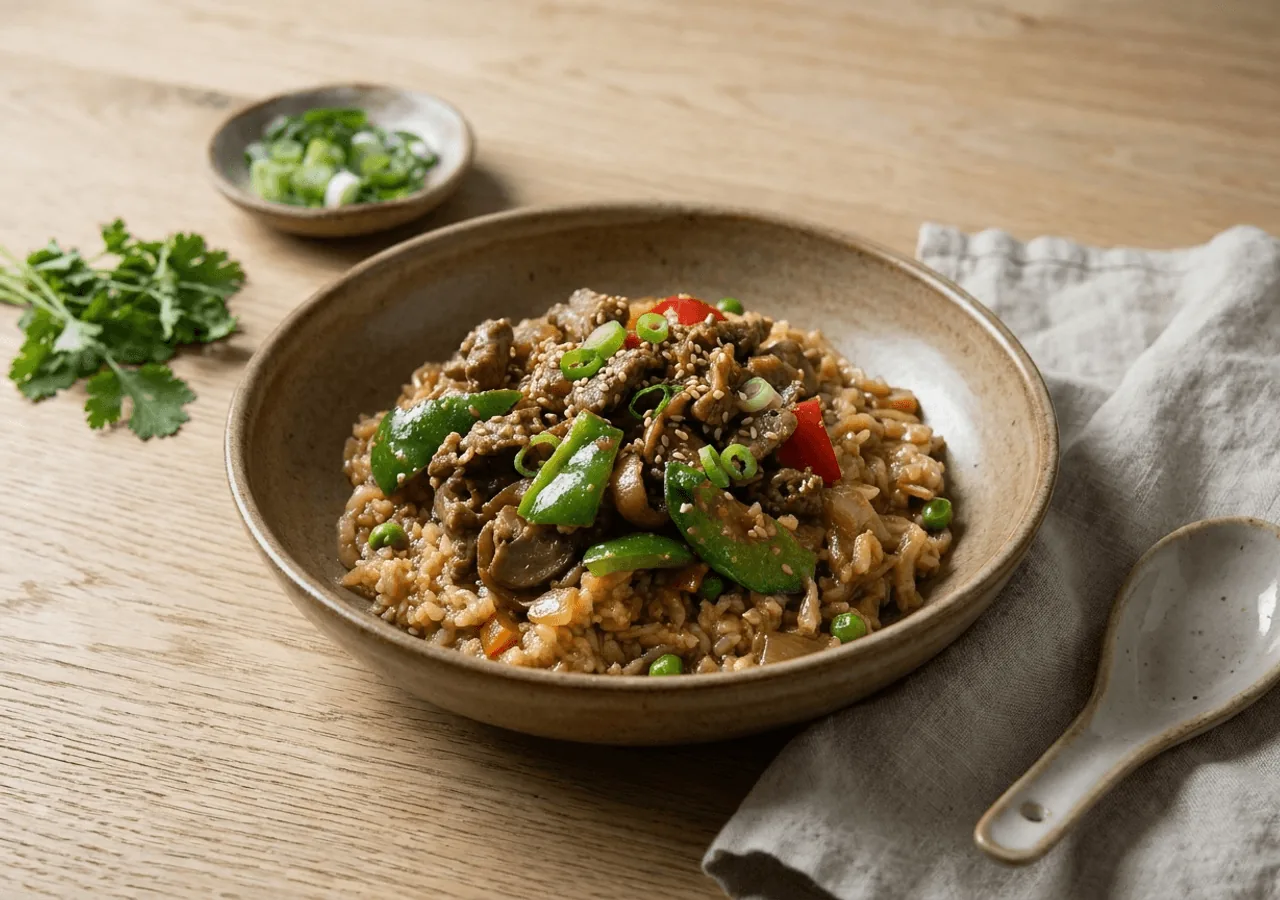
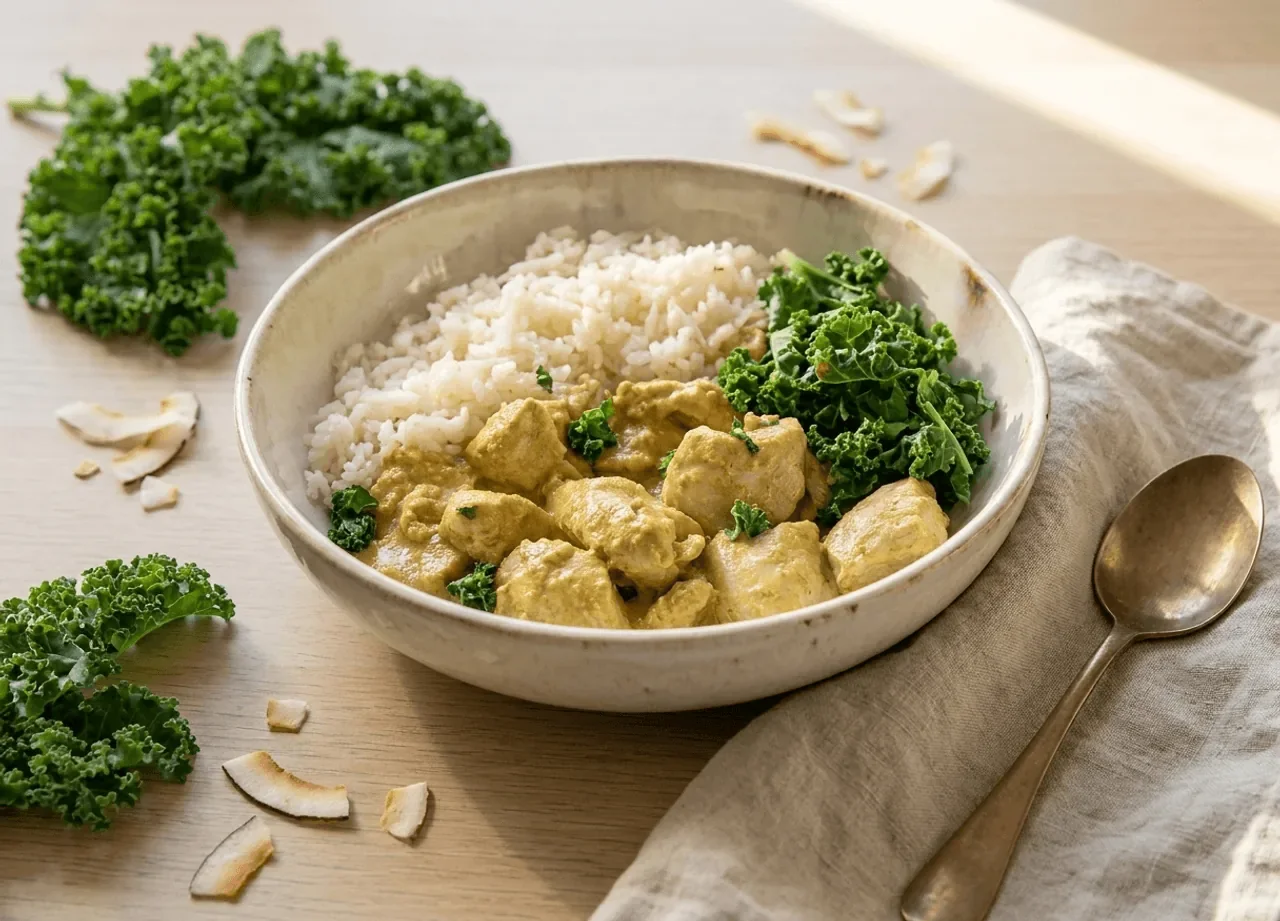
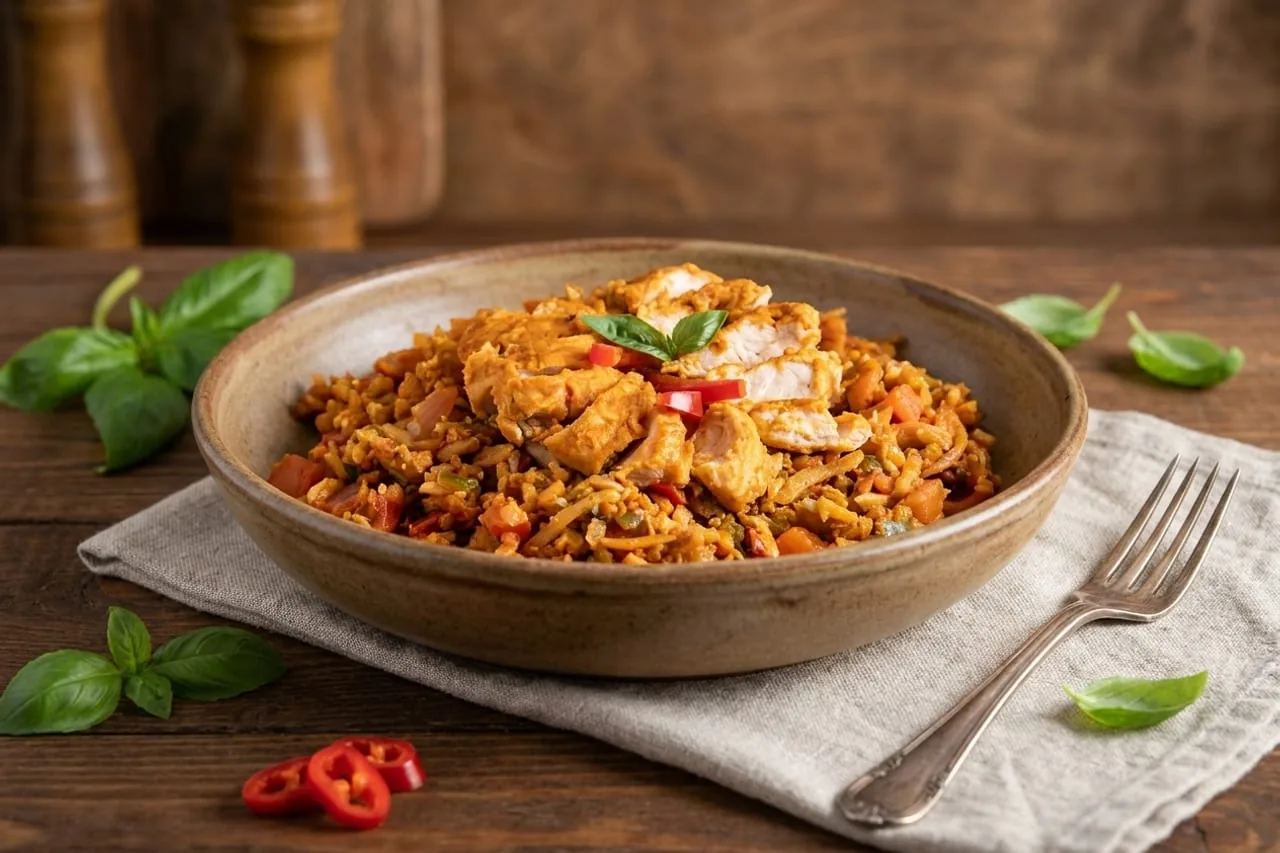
 The Wegovy Meals Plan — live & orderable
7 ready meals · 28g avg protein · $90.65See the plan ↓
The Wegovy Meals Plan — live & orderable
7 ready meals · 28g avg protein · $90.65See the plan ↓
Wegovy meals: eating well when semaglutide shrinks your appetite.
Wegovy changes how hungry you feel and how quickly you feel full — which changes what a good meal looks like. This page explains what people commonly notice as the dose steps up, the eating patterns that tend to help, and how Preptide's fresh, protein-forward GLP-1 meals are built to support it. Delivered weekly across Sydney, Melbourne and Brisbane.
The Wegovy Meals Plan · updated 26 August 2026
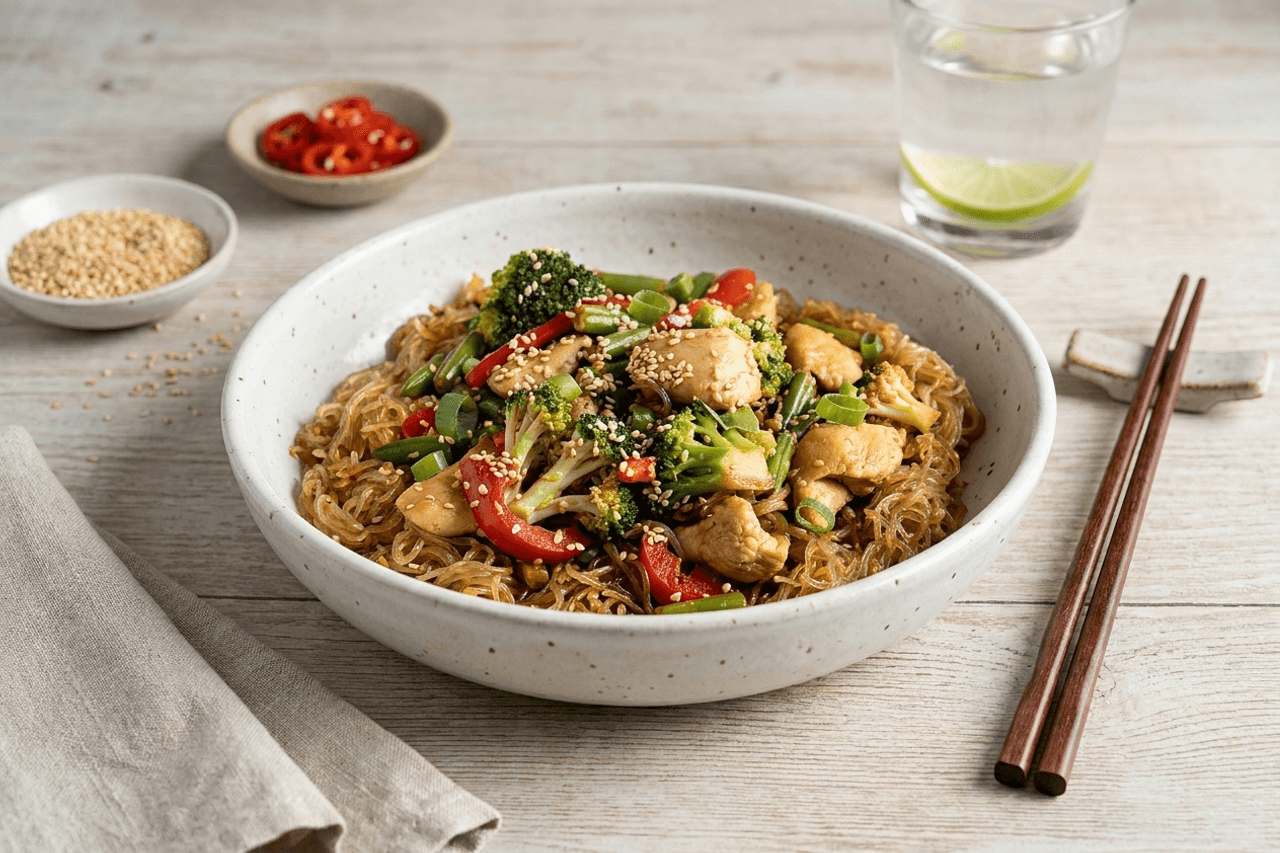
This week’s Wegovy meals, in one plan.
The 7 meals in this plan
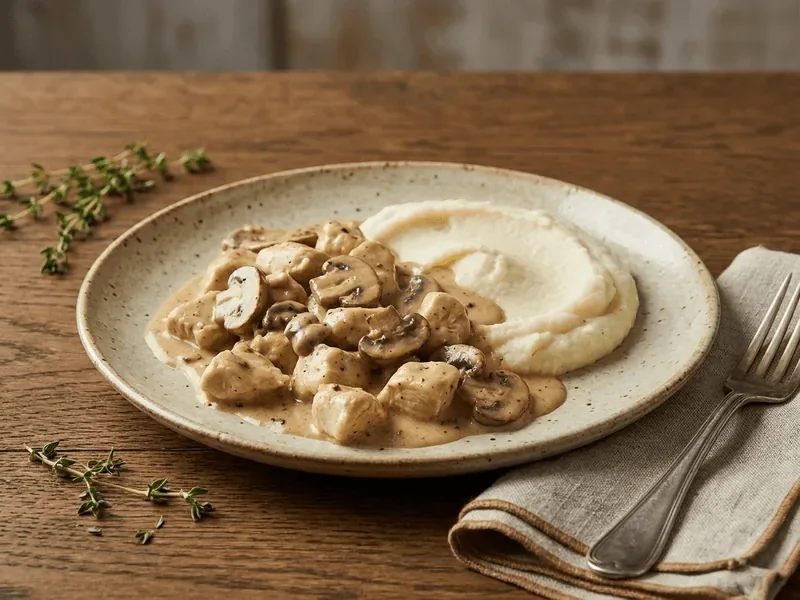
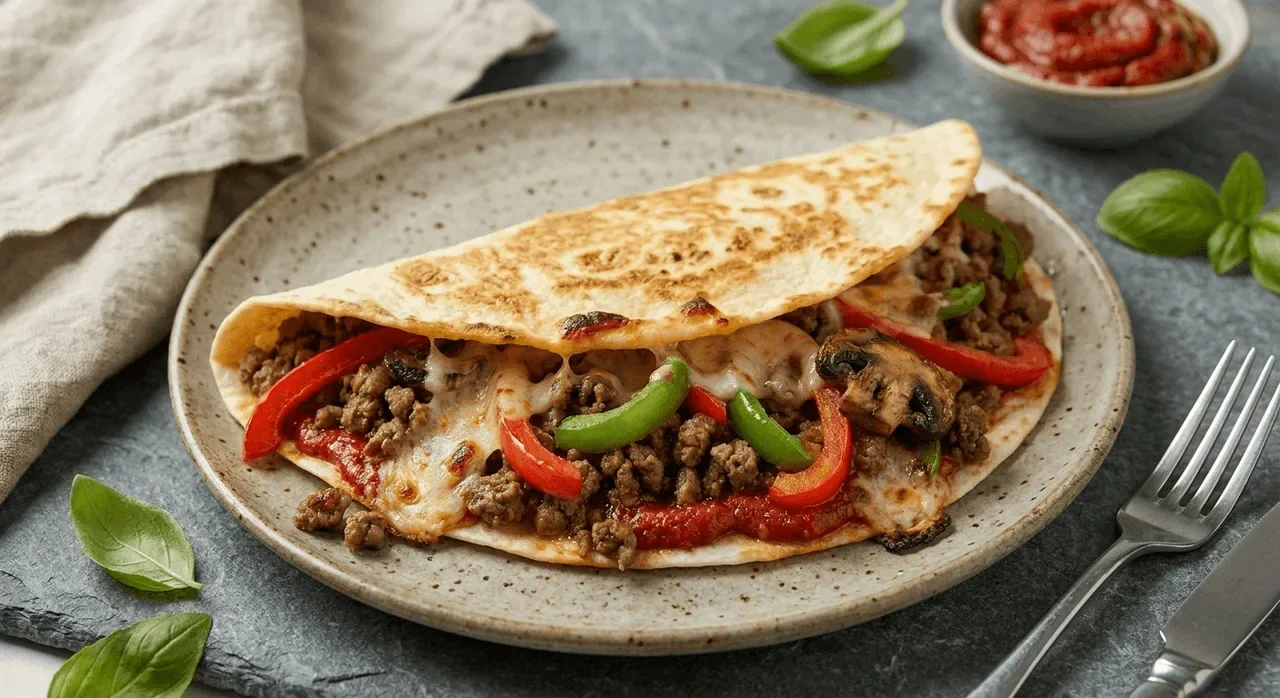
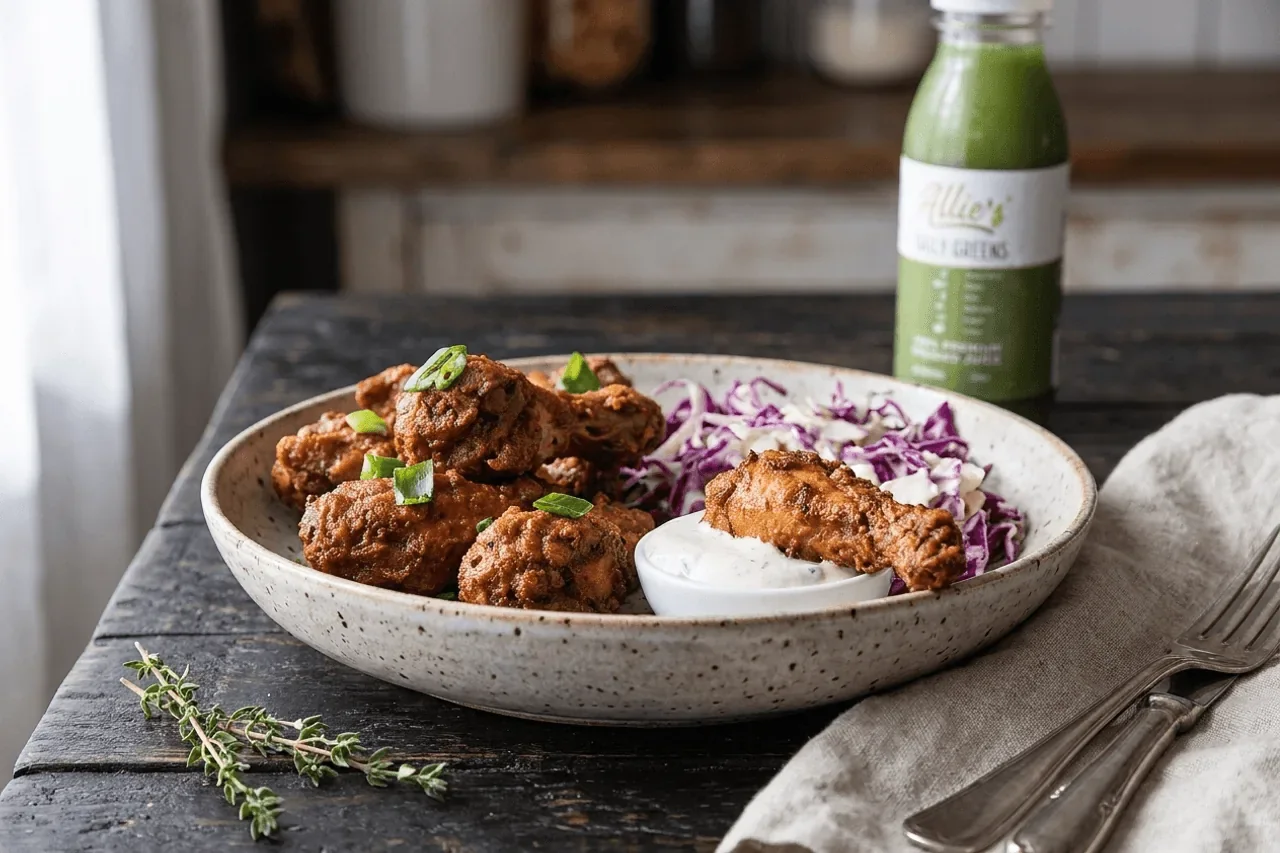
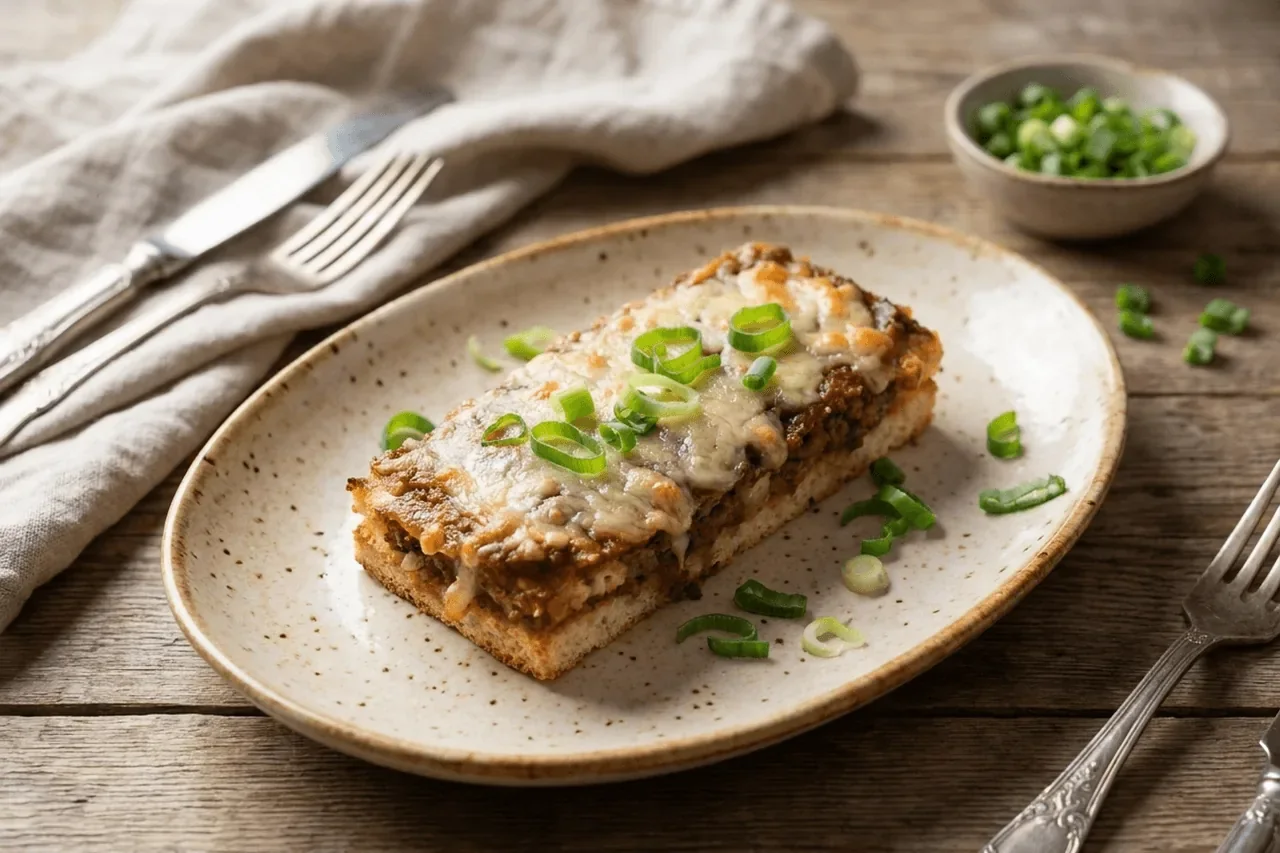
198g of protein across the plan · every macro published before you order.
Seven ready meals chosen for people eating on Wegovy: smaller serves, high protein, zero cooking. Swap anything that does not appeal before the weekly cutoff.
- Meals
- 7
- Avg protein
- 28g
- Avg calories
- 309
- The plan
- $90.65
Swap any meal or skip any week before the weekly cutoff · Delivered across Sydney, Melbourne & Brisbane · Food only — not a medicine and not medical advice.
What semaglutide does to appetite — and why meals need to change.
Wegovy's active ingredient, semaglutide, is a GLP-1 receptor agonist. Understanding the two things it does to eating makes the food side much easier to plan.
Hunger quietens, fullness arrives early.
Semaglutide acts on GLP-1 receptors involved in appetite regulation, so many people report thinking about food less, feeling satisfied sooner, and losing interest in a plate halfway through. The practical consequence: portions you used to finish comfortably can suddenly feel like too much, and "eating enough of the right things" replaces "eating less" as the daily challenge.
Food sits in the stomach longer.
Semaglutide slows gastric emptying, particularly in the earlier months of treatment. That's part of why fullness lasts — and also why large, rich or fried meals can feel heavy and lead to nausea or reflux-like discomfort for some people. Smaller serves, moderate fat and gentler textures tend to sit more comfortably while your body adjusts.
In the STEP 1 trial of semaglutide 2.4 mg (NEJM, 2021), adults with overweight or obesity lost substantially more weight than with placebo, and gastrointestinal symptoms — mostly mild to moderate nausea and altered bowel habits — were the most commonly reported side effects, typically clustering around dose escalation. Preptide isn't part of that research and our meals don't change what the medication does; the trial simply explains why food during this period needs to be smaller, gentler and more protein-dense.
How eating typically shifts through Wegovy titration.
Wegovy is introduced gradually — the registered schedule steps from 0.25 mg up to a 2.4 mg maintenance dose over roughly 16 to 20 weeks. Your prescriber sets your dose and pace; the notes below are only about how food commonly feels along the way.
Settling in
The starting dose is there to let your body adjust. Appetite changes are often subtle at first, though some people notice queasiness early. A useful habit to build now: regular mealtimes and steady fluids, so the routine is in place before appetite drops further.
Appetite drops noticeably
This is where many people first stop finishing meals. Each step up can bring a few queasier days; gentler textures — think shredded chicken, soft vegetables, mash — and lower-fat dishes tend to be easier than anything fried or heavily sauced.
Small portions become normal
By now most people are eating far less than before. The risk quietly flips from overeating to under-eating protein — a couple of hundred calories of toast is easy; 30g of protein in a small serve takes planning. This is where protein-dense meals earn their keep.
Maintenance dose
Appetite usually settles into a new, smaller normal. Eating becomes less about managing queasy days and more about consistency: enough protein, enough fibre, enough fluid, week after week — with food you don't have to think hard about.
Everyone's timeline is different — some people stay longer at a step, some never reach the top dose, and none of that is a food decision. If side effects are making it hard to eat or drink, that's a conversation for your prescriber, not a meal plan.
Small, protein-dense, gentle — and hydrated.
There's no single "Wegovy diet", but the eating patterns people commonly find easier during titration are consistent: smaller portions that respect early fullness rather than fighting it; protein first on the plate, so the bites you do manage carry the nutrients that matter most; gentler textures and moderate fat in the early weeks, when rich and fried foods are most likely to sit badly; and deliberate hydration, because when you eat less you also drink less with food, and thirst signals can be as muted as hunger ones.
Protein deserves the most attention. During intentional weight loss, a commonly discussed intake is around 1.2–1.6g per kilogram of body weight per day — a target worth confirming with your own clinician. On a full appetite that's straightforward; from three small meals it means most of them need 30g or more of protein each. Our guide to protein on a GLP-1 works through the arithmetic, and what to eat on a GLP-1 covers food tolerance in more detail.
The ON-phase menu, mapped to a Wegovy appetite.
Preptide's weekly menu is organised into phases. The ON phase is designed around exactly the pattern above — it's food built for the appetite semaglutide leaves you with.
Portions you can actually finish.
ON-phase mains sit around 250–350 calories — small enough that early fullness doesn't mean half a meal in the bin, substantial enough that you're genuinely nourished. Every dish shows its macros before you add it.
30g+ protein in a small serve.
Chicken, fish and lean beef dishes engineered so that a modest portion still delivers a meaningful protein hit — the hard part of eating on Wegovy, done in the kitchen instead of at your kitchen bench.
Lower fat, softer textures, no added sugar.
Nothing deep-fried, nothing swimming in cream. Flavour comes from stock, citrus and spice rather than fat — so meals sit lightly on the titration weeks when your stomach is most opinionated.
Meals are fresh, never frozen, cooked in our Australian kitchen and delivered chilled weekly from $11.65–$12.95 per meal. And because your journey doesn't end at the maintenance dose, the menu doesn't either: TRANSITIONING and MAINTENANCE phases carry you through tapering off and keeping results, with portions that grow as your appetite returns. Take the 60-second quiz and we'll suggest the phase that matches where you are.
Evidence used for the Wegovy meal framework
Preptide does not supply or advise on medication. These references explain why this page focuses on smaller portions, adequate protein and easier-to-tolerate food:
- Wilding et al., 2021, New England Journal of Medicine (STEP 1) — once-weekly semaglutide 2.4 mg in adults with overweight or obesity.
- Wilding et al., 2022, Diabetes, Obesity and Metabolism — weight regain after semaglutide withdrawal, and why a durable food routine matters.
- Wharton et al., 2022, Postgraduate Medicine — managing gastrointestinal side effects of GLP-1 medications, including meal-pattern strategies.
Questions, answered.
What should I eat while taking Wegovy?
Most people on Wegovy end up eating noticeably less, so the general principle is to make small portions work harder: protein-forward meals, plenty of fluids, and fewer very rich or fried foods, which many people find harder to tolerate. Preptide's ON-phase meals follow that pattern — smaller serves, roughly 30g or more of protein, lower fat and no added sugar. For advice specific to you, speak to your prescriber or an accredited practising dietitian.
Why does eating feel different as my Wegovy dose steps up?
Wegovy is introduced gradually, and many people notice appetite and food tolerance shift with each step — effects on hunger and fullness often become more pronounced at higher doses, and gastrointestinal symptoms are most commonly reported around dose increases. That is a widely reported pattern, not a rule; everyone responds differently. Your prescriber sets your dose and schedule and is the right person to talk to about how you are tracking.
How much protein do I need when I'm eating so little on Wegovy?
A commonly discussed target during intentional weight loss is around 1.2–1.6g of protein per kilogram of body weight per day, spread across the day — a level worth discussing with your clinician for your own situation. When total food volume drops on semaglutide, hitting that from small portions means most meals need to be genuinely protein-dense. Preptide's core meals show protein up front so you can plan a full week at a glance.
Are Preptide meals suited to the early weeks of Wegovy?
The ON-phase menu is built for exactly that stage: smaller portions of roughly 250–350 calories, gentler textures and simple flavours, moderate fat and no added sugar — the kind of food many people find easier to finish while their appetite is settling. Preptide is food, not medication, so if you are struggling to keep food or fluids down, speak to your prescriber.
Wegovy and Ozempic are both semaglutide — do the same meals work?
They contain the same active ingredient at different registered doses and indications, and the nutritional challenge is very similar: a smaller appetite and a need to protect protein intake. Preptide's phase-based menu works for both — see our Ozempic meals page for the semaglutide story from that angle, and our Mounjaro page if you are on tirzepatide.
Do I need a prescription to order Preptide meals?
No. Preptide delivers food, so no prescription is required. We do not supply, prescribe or sell any medication, and ordering meals has no connection to your Wegovy script. We deliver fresh weekly across Sydney, Melbourne and Brisbane metro areas, and you can pause, skip or cancel anytime.
Preptide is food, not medication. It does not diagnose, treat, prevent, mitigate or cure any condition and does not replace medical advice. Wegovy is a prescription medicine; your prescriber sets your dose and schedule, and all medical questions belong with them. Our meals are designed to support your nutrition while your appetite is smaller — they do not change what the medication does and do not guarantee any outcome. Always consult your doctor or an accredited practising dietitian before changing your diet, especially while on medication. Read our full Health Acknowledgement →