
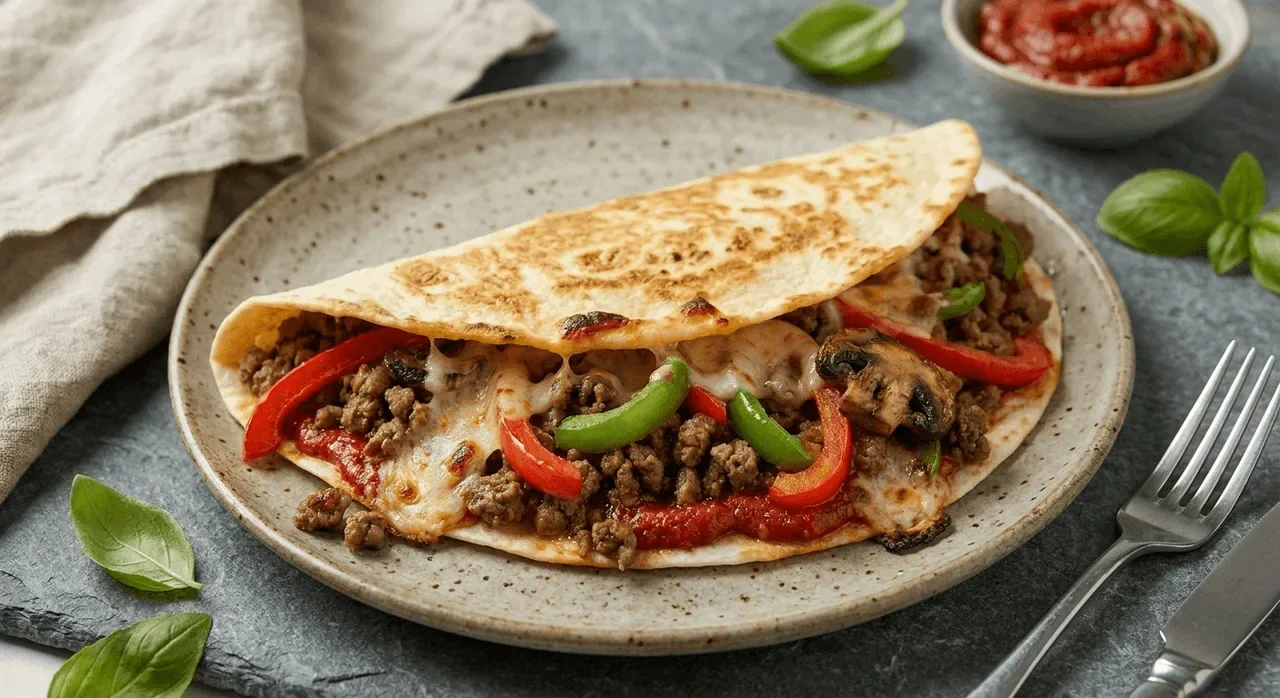
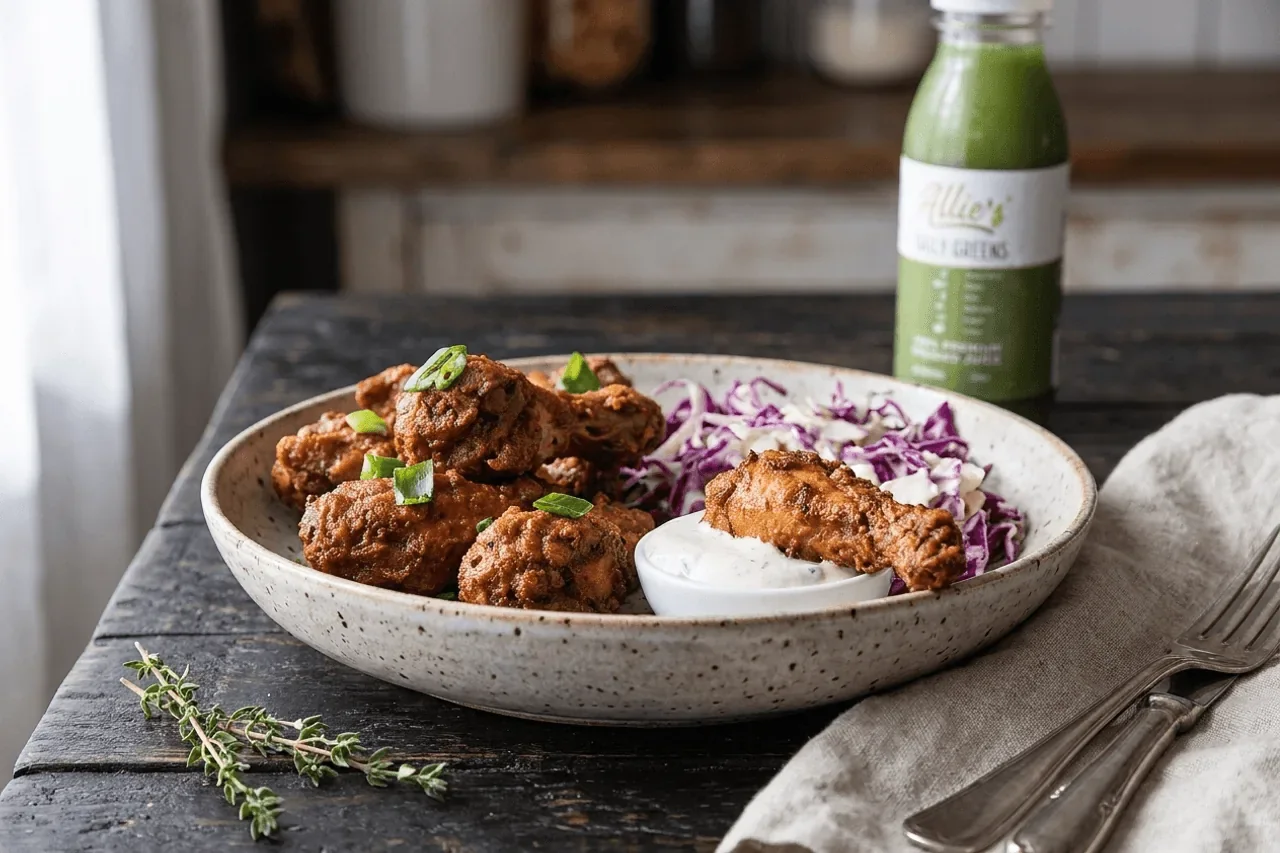
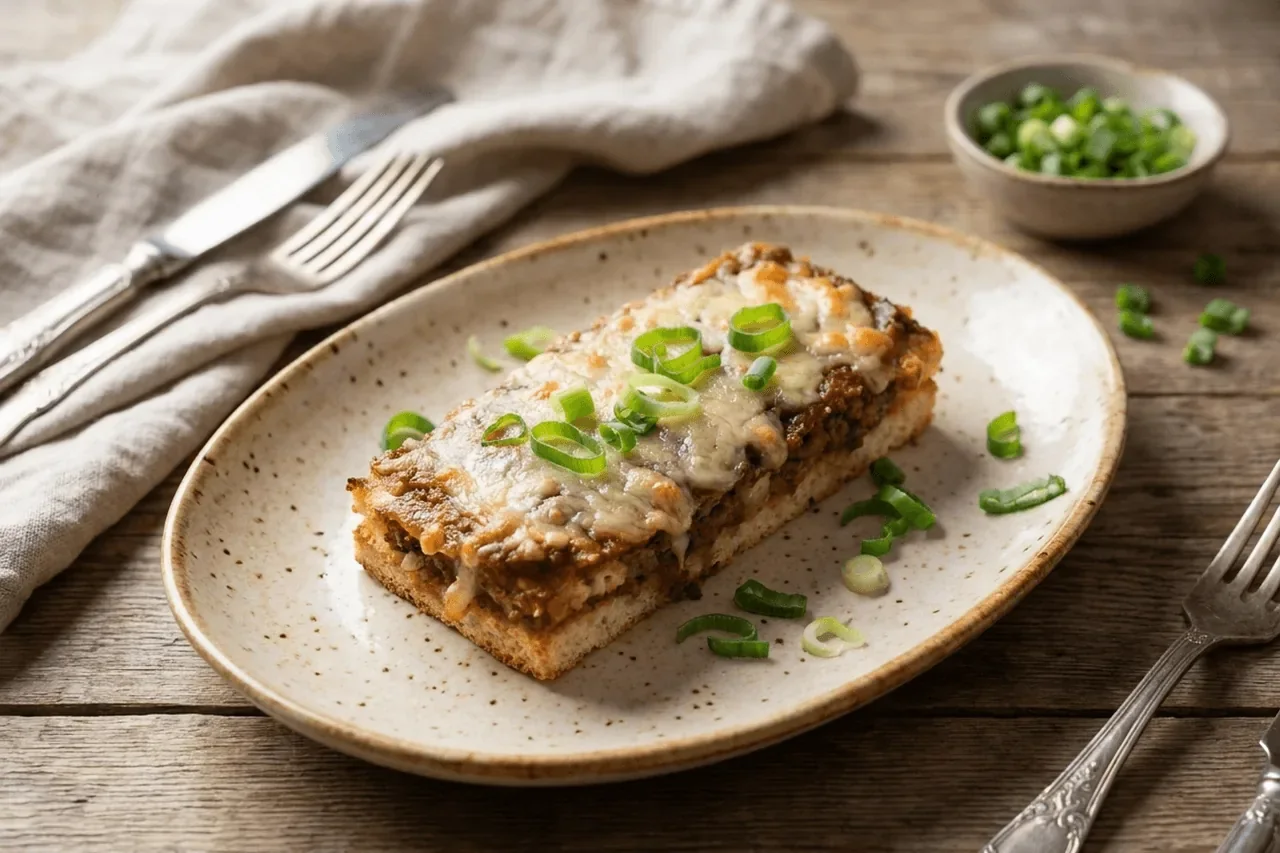
GLP-1 medicines can change appetite and slow gastric emptying, but the day-to-day experience varies. Some people can eat their usual meals in smaller portions; others temporarily prefer plainer foods or need help managing nausea, constipation or early fullness.
That is the lens for this guide: flexible, adequate nutrition rather than a rigid "Ozempic diet". Below are foods worth considering, foods that may be less comfortable for some people, and a sample day you can scale to appetite and professional advice.
Ozempic
Contains semaglutide. The Australian registration describes it as an adjunct to diet and exercise for adults with insufficiently controlled type 2 diabetes. Follow the food and glucose advice for the medicine you were prescribed.
Wegovy
Also contains semaglutide, but has a different Australian registered indication for chronic weight management in defined patient groups. See the separate Wegovy diet plan.
Protein first — and why it matters most
When total intake falls, including protein regularly can help support nutritional adequacy and lean tissue. There is no single target that is right for everyone: body size, age, activity, health, appetite and kidney function all matter. An accredited practising dietitian or your prescribing team can translate those factors into a personal daily target.
Think in meal components rather than a universal gram rule: choose a tolerable protein source, add plants or fruit as comfortable, then include carbohydrate and fat in portions that suit your appetite.
Reliable, everyday sources to build meals around:
- Chicken breast — lean, versatile, high yield per gram
- Fish and salmon — protein plus omega-3 fats
- Eggs — compact and easy on a low-appetite morning
- Greek yoghurt — high protein, gentle, portable
- Lean beef — iron and dense protein
- Tofu and legumes — plant-forward protein with fibre
Want the detail? Read our companion guide on protein on a GLP-1, or use the adaptable 7-day GLP-1 meal plan.
Foods worth considering on a GLP-1
A practical starting plate combines protein, plants, carbohydrate and some fat, adjusted for your tolerance. Four useful building blocks:
- Lean proteins at the centre of every meal (see the list above).
- High-fibre plants — leafy greens, lentils, berries and chia. Fibre supports digestion and helps the small amount you eat feel more complete.
- Healthy fats in moderation — avocado and nuts add flavour and nutrients, but they are energy-dense, so keep portions modest while appetite is low.
- Plenty of water. Hydration is easy to neglect when you are not hungry, and it helps with both digestion and the headaches some people notice early on.
A simple sample day
- Breakfast — Greek yoghurt with berries and chia, or eggs. A protein-led start sets the tone.
- Lunch — grilled chicken over a big salad with olive oil.
- Snack — a small handful of nuts if you need it.
- Dinner — baked salmon with roasted vegetables and a small serve of rice.
Notice the shape: each meal contains a protein food, plants and a suitable carbohydrate rather than relying on a universal banned-food or low-carbohydrate rule.
General food information only. Adjust foods, portions, carbohydrate timing and meal frequency to your diabetes plan, medicines, allergies and clinical advice.
A flexible 7-day Ozempic meal plan.
Download the free PDFPrefer it already cooked? The Ozempic meals page carries this week’s orderable box. This example is not calorie-counted and does not replace an individual diabetes meal plan. It reuses ingredients and leftovers so the week is practical. Optional snacks should follow appetite and the guidance supplied for blood-glucose management.
| Day | Breakfast | Lunch | Dinner | Practical note |
|---|---|---|---|---|
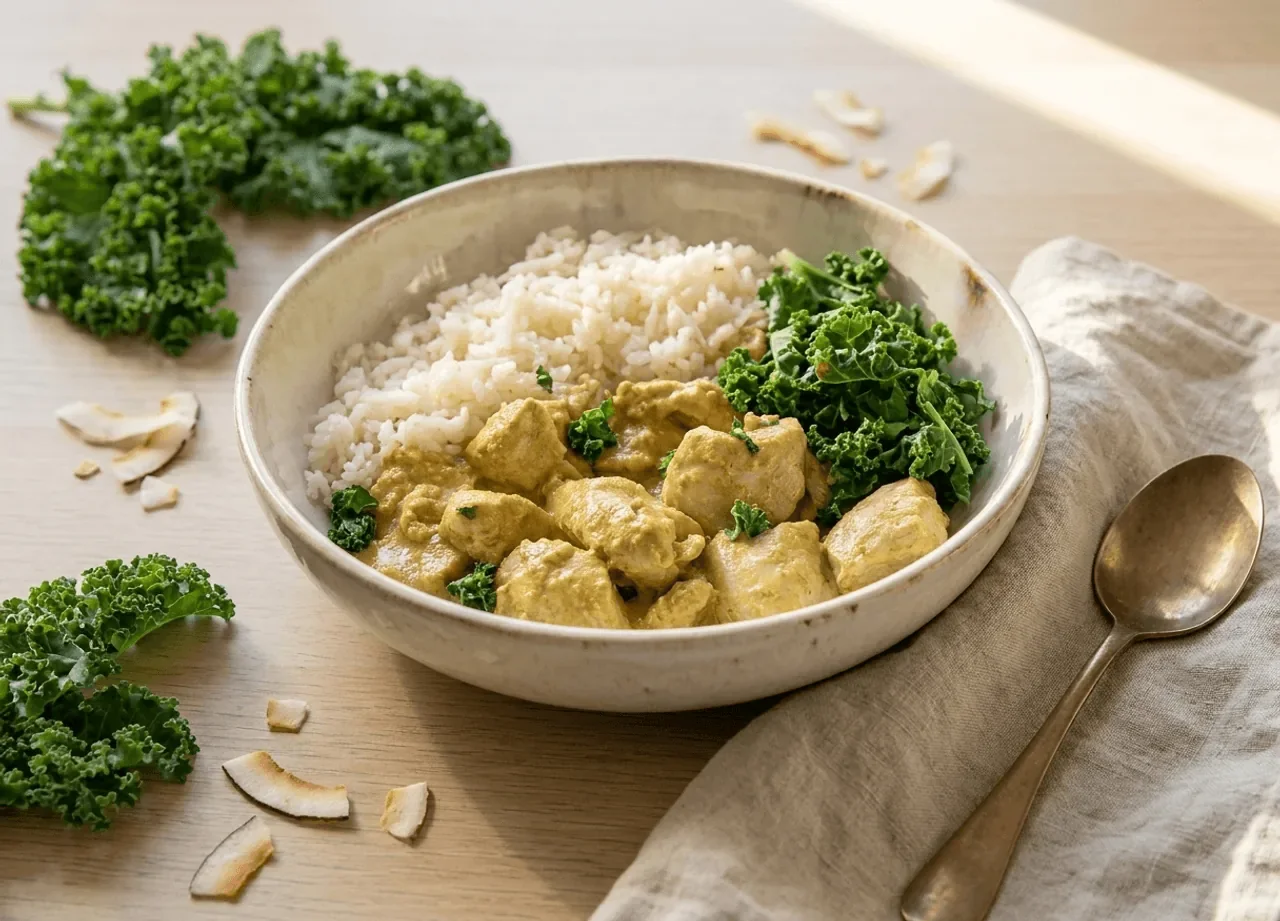
| 1 | Greek yoghurt, berries and oats | Chicken quinoa bowl with vegetables | Salmon, potato and green beans | Cook extra salmon and potato for tomorrow. |
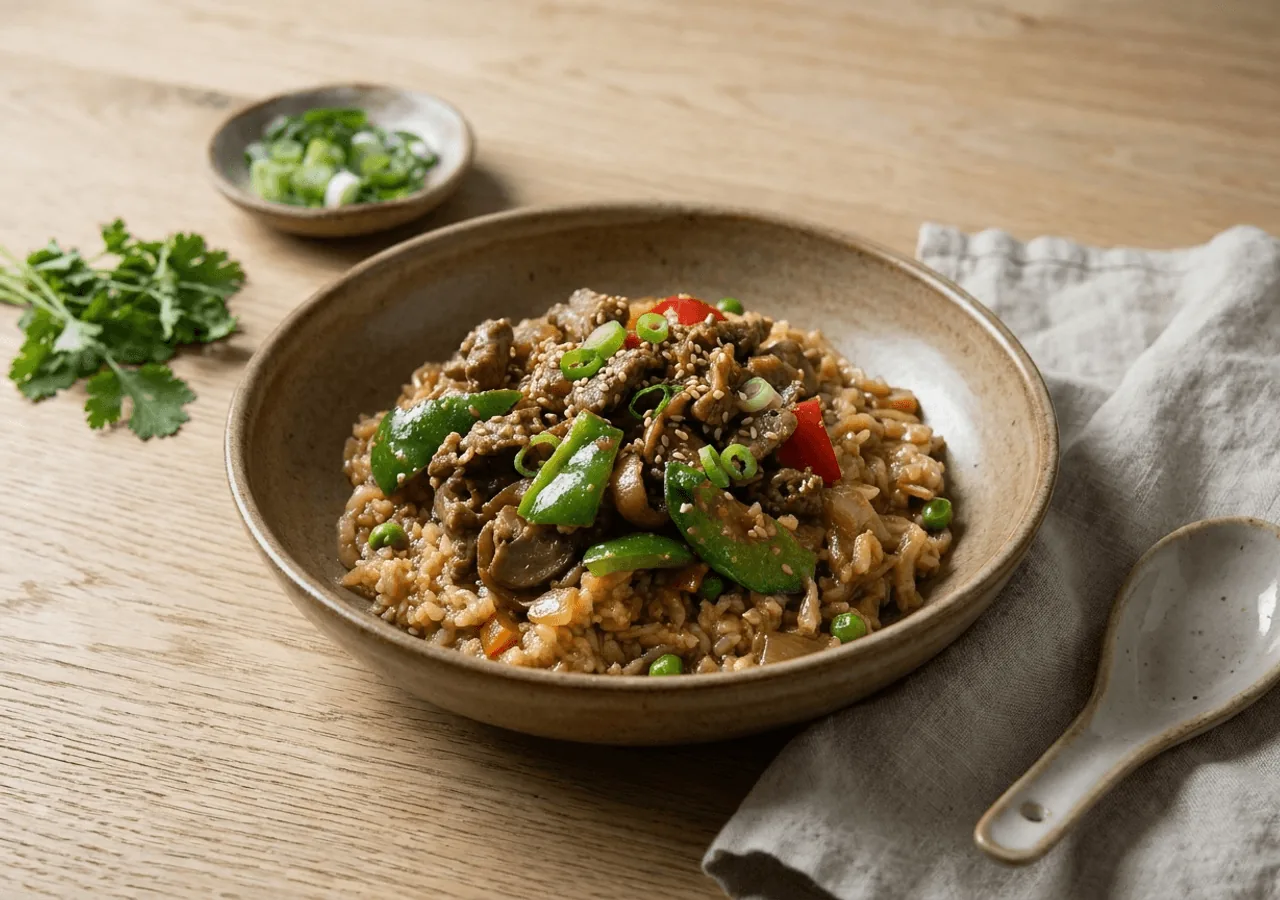
| 2 | Eggs, wholegrain toast and spinach | Leftover salmon and potato salad | Tofu or beef vegetable stir-fry with rice | Use the carbohydrate amount that fits your diabetes advice. |
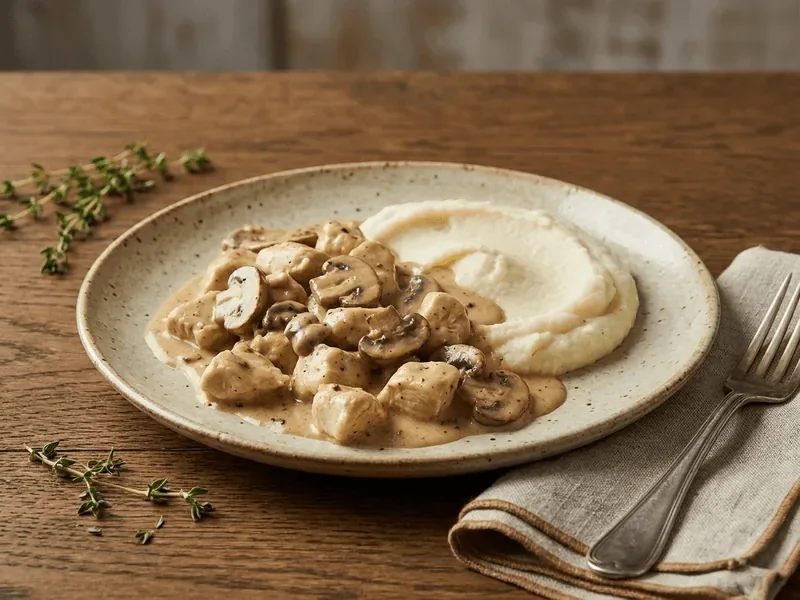
| 3 | Porridge with yoghurt and banana | Pumpkin-lentil soup | Chicken, mash and cooked carrots | Softer textures may suit an unsettled day. |
| 4 | Cottage cheese and fruit | Tuna and white-bean salad | Tofu rice bowl with cooked vegetables | Increase legumes gradually if bowel symptoms are active. |
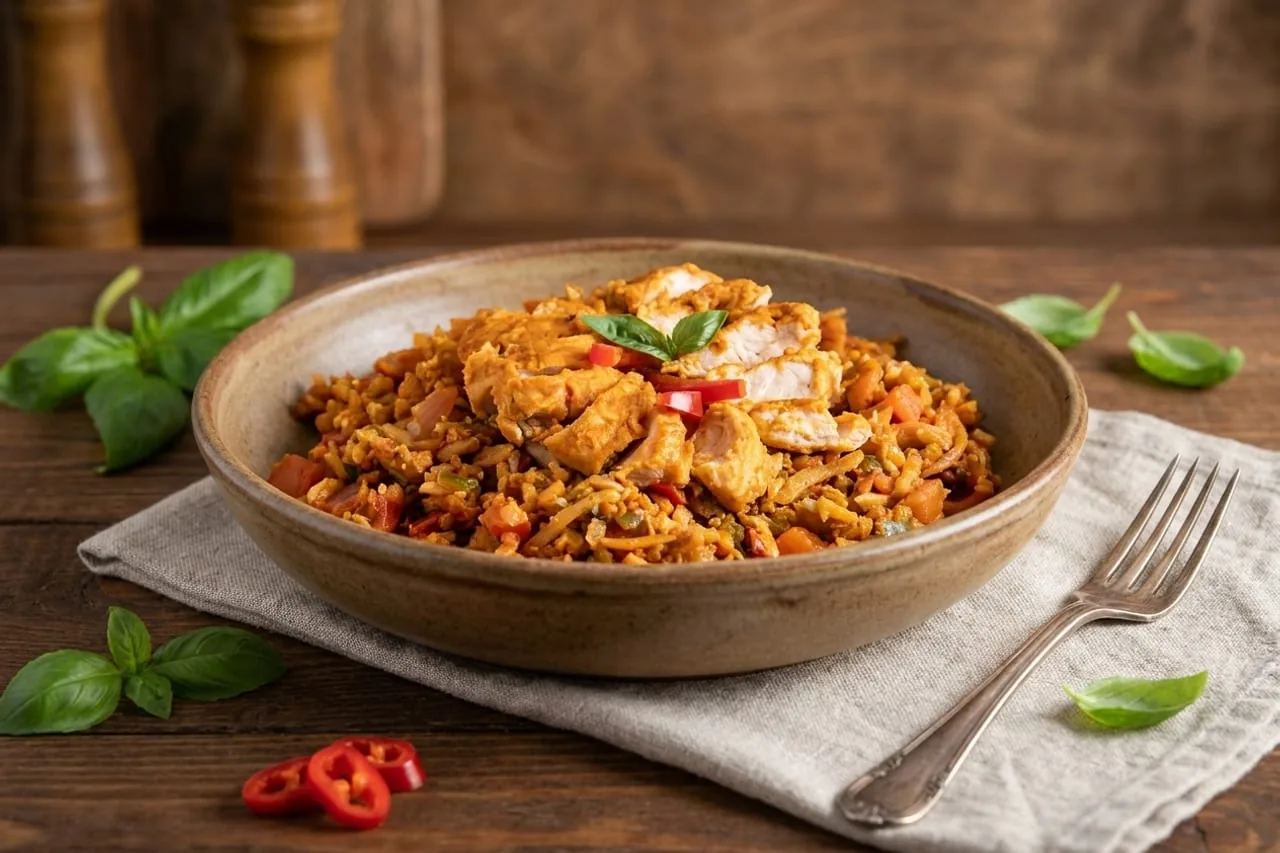
| 5 | Egg and spinach wrap | Leftover tofu or chicken bowl | Clearly labelled prepared meal with vegetables | Check ingredients, allergens, portion and nutrition panel. |
| 6 | Yoghurt, oats and banana | Chicken, tuna or falafel wrap | Fish tacos with slaw | Keep rich sauces separate if fullness or nausea is active. |
| 7 | Repeat the best-tolerated breakfast | Leftovers or soup | Lean meatballs or lentil bolognese | Freeze spare portions rather than forcing a larger serve. |
Foods to limit (they can worsen side effects)
Food tolerance is personal. Because GLP-1 medicines can delay gastric emptying, some people find the following choices less comfortable, especially in large portions:
- Large, fatty, fried or greasy meals — rich meals can feel uncomfortable for some people.
- Ultra-processed foods — typically high in fat and refined carbs, low in the protein and fibre you actually want.
- High-sugar foods and soft drink — these may be less well tolerated, particularly if consumed quickly.
- Alcohol — ask your prescriber what is appropriate for you and your other medicines.
This is not a universal banned-food list. Note your own pattern, change one variable at a time, and contact your clinician if symptoms are severe, persistent or affecting hydration and nutrition.
Eating tips that reduce nausea
How you eat matters as much as what you eat. A few habits make the difference:
- Smaller portions. Serve less than you think you need — you can always have more.
- Eat slowly. Fullness signals lag, and a slow pace lets them catch up.
- Stop at "satisfied", not "full". On a GLP-1, "full" often means you have already had too much.
- Choose nutrient density over volume. With limited appetite, make each bite count rather than filling the plate.
- Prioritise the useful component. When appetite is limited, start with the protein-containing part of the meal and save the remainder rather than forcing it.
When you can't face a meal
On low-appetite days, smaller nutrient-dense options may be more manageable: yoghurt, eggs, soup with shredded chicken or tofu, or a supplement your clinician has approved. Sip fluids through the day. If you cannot keep fluids down, are vomiting repeatedly, feel faint or have severe abdominal pain, seek prompt medical advice.
How Preptide makes this easier
Preptide displays meal size, ingredients, allergens and nutrition information so you can compare prepared food with the advice you have received. A food service cannot determine the right meal, carbohydrate amount or portion for an individual diabetes plan.
Use the menu as a transparent food choice, not as treatment or a substitute for your prescriber or dietitian.
Why we recommend smaller, protein-forward meals
The advice in this guide is general, but it is grounded in published GLP-1 and nutrition literature:
- TGA: Ozempic registration and Australian indication.
- TGA: GLP-1 and dual GIP/GLP-1 receptor agonist safety update.
- Wharton et al., 2022, Postgraduate Medicine - clinical recommendations for managing gastrointestinal side effects of GLP-1 receptor agonists.
- Morton et al., 2018, British Journal of Sports Medicine - protein plus resistance training meta-analysis.
- Joint nutrition advisory, 2025 - practical priorities for nutritional adequacy during GLP-1 therapy.
- Australian Government: eating well - Australian healthy-eating foundation.
Primary Australian medicine sources were checked first. This page has not been represented as individual clinical review; see the editorial policy for sourcing, corrections and review status.
FAQ
How much protein should I eat on Ozempic?
Protein needs vary with body size, age, activity, health and total intake. Include a protein source regularly, but ask your prescriber or accredited practising dietitian to set an individual target, particularly if you have kidney disease or another condition affecting nutrition.
What foods cause nausea on Ozempic?
Tolerance is individual. Some people report more discomfort after large, rich, fried or very sweet meals. Smaller meals, slower eating and choosing simpler foods may help; persistent vomiting, severe pain or inability to keep fluids down needs prompt medical advice.
Can I drink coffee or alcohol on a GLP-1?
Coffee in moderation is generally fine, though some people find it adds to reflux or nausea on an empty stomach, so pair it with food and stay hydrated. Alcohol is best limited: it can intensify nausea, sits poorly with delayed stomach emptying, and adds low-quality kilojoules. Always follow the advice of your prescribing doctor.
Do I need to count calories on Ozempic?
Not everyone needs to count calories. A clinician or dietitian can help decide whether tracking is useful for your goals while checking that overall energy, protein, fluids and micronutrients remain adequate.
What should I eat if I have no appetite?
On low-appetite days, reach for nutrient-dense, easy options: a protein shake, Greek yoghurt, or a few bites of a high-protein meal. The goal is to still get protein and fluids in even when a full plate feels like too much, rather than skipping intake altogether.
Should I take a protein supplement?
Whole-food protein should come first, but a protein shake can be a practical top-up on days when appetite is low or you fall short of your target. It is a tool, not a replacement for balanced meals. Check with your dietitian if you have kidney concerns or other conditions before adding supplements.
Can I follow a seven-day Ozempic meal plan?
A weekly plan can reduce decisions, but it should stay flexible. Repeat tolerated meals, use leftovers and adjust carbohydrate amounts and timing to the diabetes-management advice supplied by your healthcare team.
Protein-first meals, sized for a smaller appetite.
Compare portions, ingredients, allergens and nutrition information before choosing food that fits the guidance you have received.
This article is general information, not medical or dietetic advice. Ozempic is a registered trademark of Novo Nordisk. Preptide is independent and is not affiliated with, endorsed by or sponsored by Novo Nordisk. Preptide is food, not medication. Consult your prescribing doctor or Accredited Practising Dietitian before materially changing diet alongside diabetes medicines. Read our full Health Acknowledgement →