
Mounjaro results: what the trials found, dose by dose.
Your week, cooked
7 meals · 28g protein on average · food, not medicine
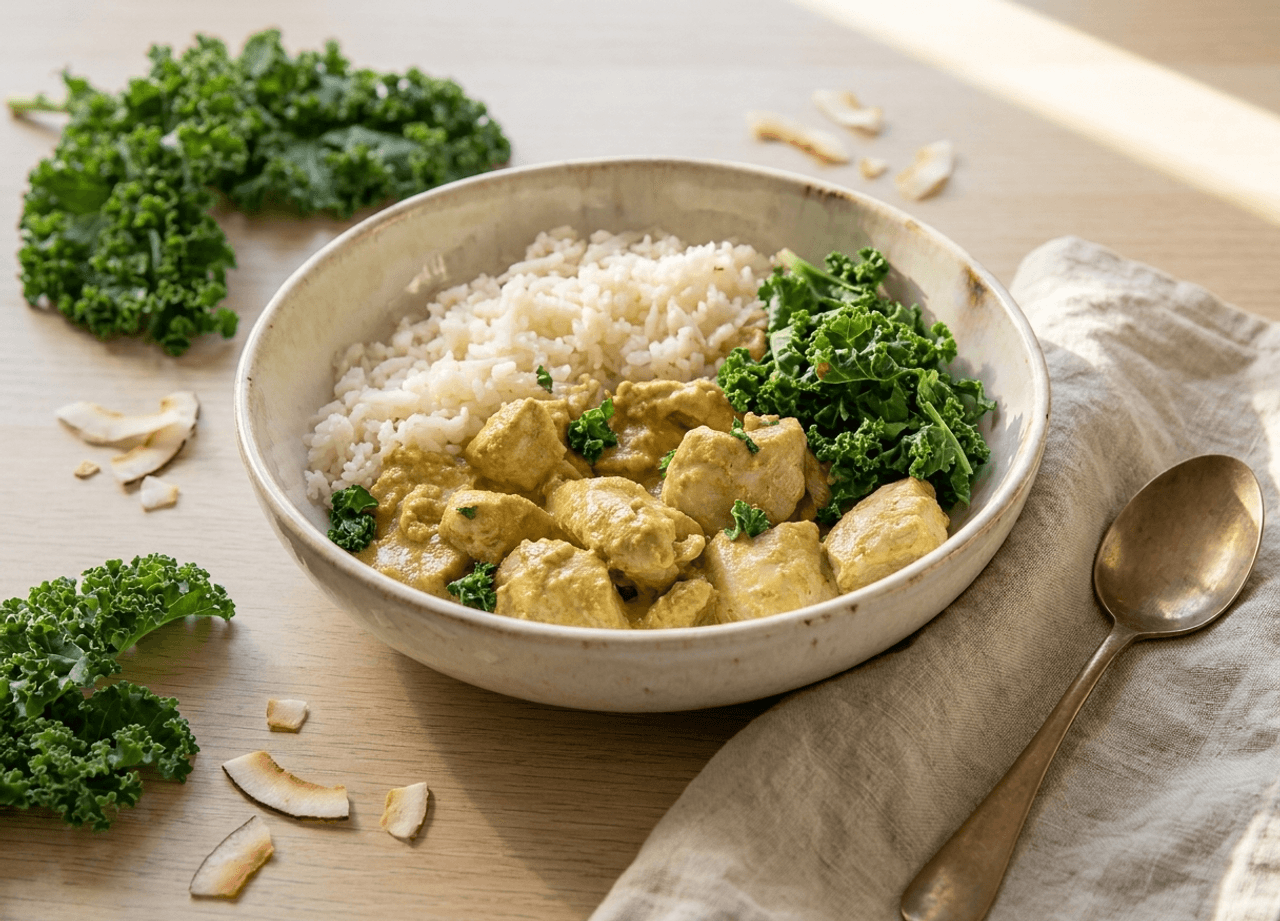
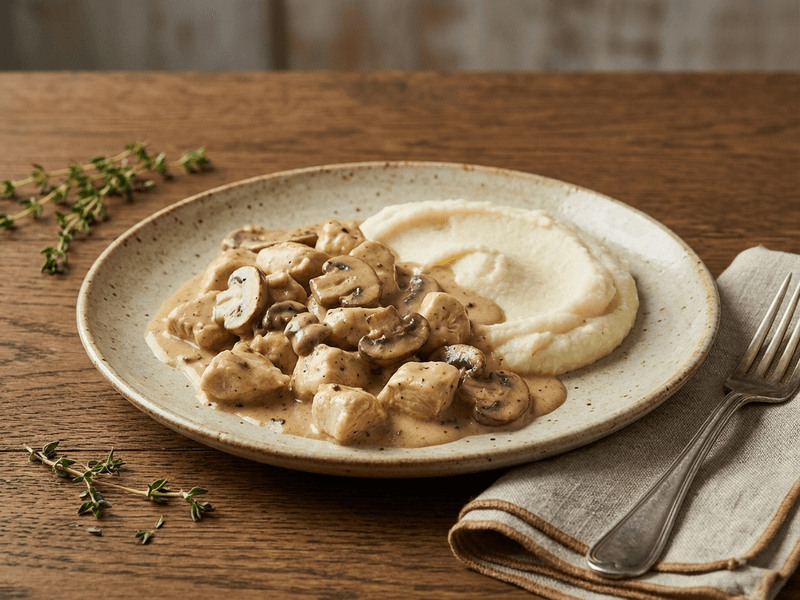
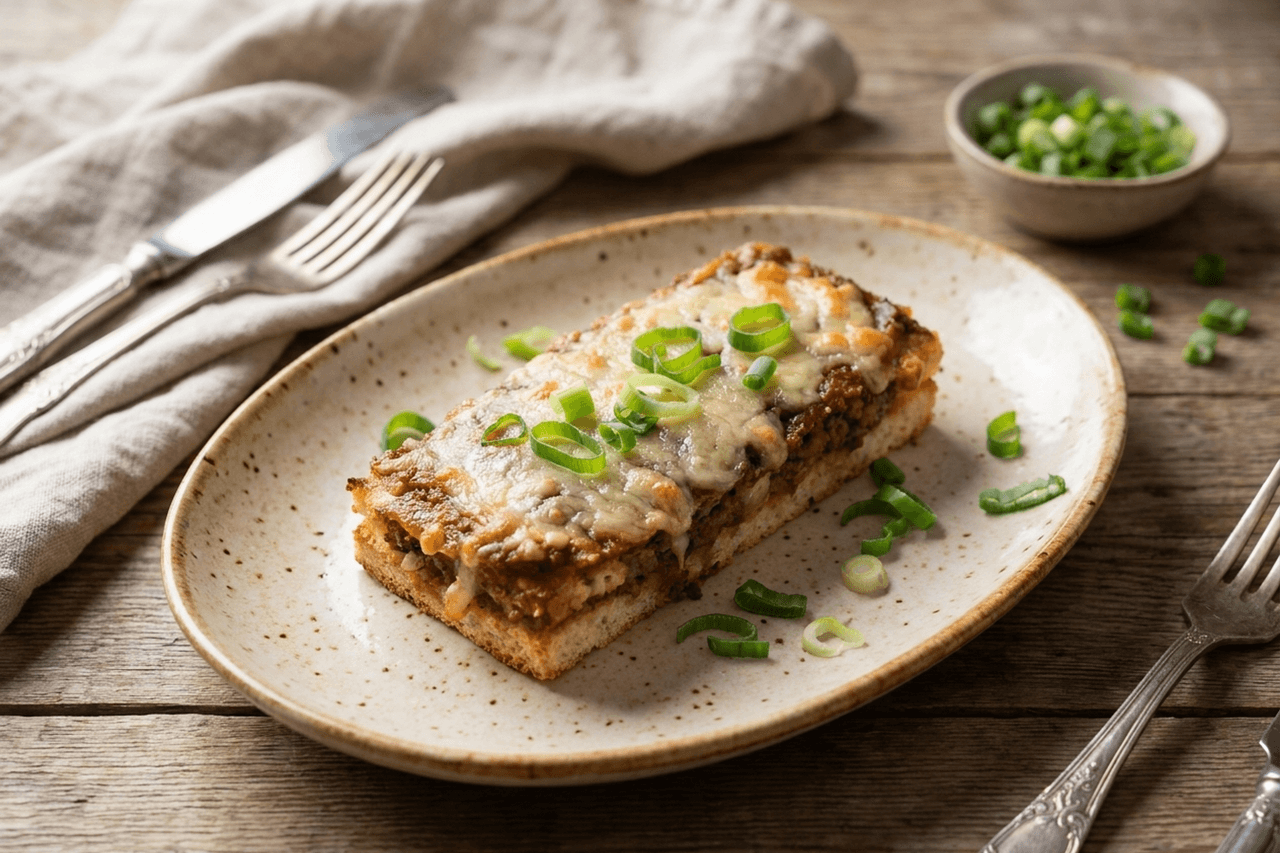
Delivered chilled across Sydney, Melbourne and Brisbane metro.
First box $79.65 with PLAN20 (new customers, added for you at checkout). Then $99.65 a week for 7 meals with delivery — skip, pause or cancel before any weekly cutoff. Make it 8 meals and delivery is free ($103.60 all in).
4.6 · 438 verified ratings · Skip or cancel anytime · SYD · MEL · BNE
Before-and-after photos show what happened to one person. Trials show what happened, on average, to thousands. This page sets out the published Mounjaro (tirzepatide) results in plain numbers: how much weight people lost at each dose, how many reached common milestones, how quickly it happened, and what happened when they stopped.
In SURMOUNT-1, adults without diabetes lost an average of 15.0% (5 mg), 19.5% (10 mg) and 20.9% (15 mg) of their body weight over 72 weeks on Mounjaro, compared with 3.1% on placebo. Those figures count everyone, including people who stopped. Most people lost at least 5%, and about half on the 10 mg and 15 mg doses lost 20% or more. In SURMOUNT-4, people who switched to placebo after 36 weeks regained an average of 14.0% of their weight over the next year.
- Average 72-week weight loss in SURMOUNT-1: 15.0% to 20.9% depending on dose, versus 3.1% on placebo.
- 85% to 91% of people lost at least 5%; 50% (10 mg) and 57% (15 mg) lost at least 20%.
- Results vary widely between people: averages are not a prediction for you.
- About three-quarters of the weight lost was fat and one-quarter lean mass, the same split as placebo.
- Stopping led to regain: in SURMOUNT-4, the placebo group regained 14.0% while the group that continued lost a further 5.5%.
- Registered: Mounjaro is TGA-registered for type 2 diabetes, weight management in adults with overweight or obesity, and moderate-to-severe obstructive sleep apnoea in adults with obesity. Mounjaro CMI.
- PBS: not listed for any use. Lilly declined the type 2 diabetes listing the PBAC recommended in March 2026. PBS medicine status.
- Evidence used: SURMOUNT-1 (NEJM 2022), SURMOUNT-4 (JAMA 2024), SURMOUNT-5 (NEJM 2025) and the Australian Product Information revised 2 October 2026.
- No photos: this page uses trial averages only. Individual results differ widely.
How much weight can you lose on Mounjaro?
In SURMOUNT-1, the main weight-management trial, adults with obesity or overweight and no diabetes lost between 15.0% and 20.9% of their body weight on average over 72 weeks, depending on the dose. People on placebo, who got the same diet and exercise counselling, lost 3.1%.
| Dose (weekly) | Average weight change: everyone (treatment-regimen) | Average weight change: if everyone stayed on treatment (efficacy) |
|---|---|---|
| 5 mg | −15.0% | −16.0% |
| 10 mg | −19.5% | −21.4% |
| 15 mg | −20.9% | −22.5% |
| Placebo | −3.1% | −2.4% |
Source: Jastreboff et al., SURMOUNT-1, NEJM 2022. The first column counts everyone who started, including people who stopped treatment; the second estimates the result if everyone had kept going.
For someone weighing 100 kg, a 20% loss would be 20 kg. That is an average across 2,539 people; some lost much more and some much less.
How many people lost 5%, 10%, 15% or 20%?
Most people in SURMOUNT-1 reached at least 5% weight loss, and around half or more on the higher doses reached 20%. The table uses the Australian Product Information, which reports the results for people who stayed on treatment.
| Weight lost | 5 mg | 10 mg | 15 mg | Placebo |
|---|---|---|---|---|
| At least 5% | 89.4% | 96.2% | 96.3% | 27.9% |
| At least 10% | 73.4% | 85.9% | 90.1% | 13.5% |
| At least 15% | 50.2% | 73.6% | 78.2% | 6.0% |
| At least 20% | 31.6% | 55.5% | 62.9% | 1.3% |
Source: Mounjaro Australian PI, Table 12 (efficacy estimand). Counting everyone who started (NEJM treatment-regimen analysis): at least 5% loss in 85%, 89% and 91% of people on 5, 10 and 15 mg versus 35% on placebo; at least 20% in 50% (10 mg) and 57% (15 mg) versus 3%.
How quickly does Mounjaro work?
Weight loss on GLP-1-type medicines is usually fastest in the first six months and then slows. Mounjaro also starts at a low dose: 2.5 mg weekly for four weeks, then 5 mg, with possible increases of 2.5 mg every four weeks up to 15 mg. So early weeks are at a lower dose than the trial averages above.
A 2025 joint advisory on GLP-1 therapy describes weight reduction as “more rapid during the first 6 mo”, slowing after that, with a relative plateau around 18 months. Mozaffarian et al. 2025.
In SURMOUNT-4, 670 people who entered the randomised phase had lost an average of 20.9% over a 36-week opening phase on the medicine. Aronne et al., SURMOUNT-4, JAMA 2024. Your doctor sets the dose steps; see Mounjaro doses.
What can Mounjaro before and after photos tell you?
Not much on their own. A photo shows one person’s result, often chosen because it was striking. Trials show the full spread, including people who lost little and people who stopped because of side effects.
In SURMOUNT-1, between 9% and 15% of people on Mounjaro did not reach 5% weight loss when everyone who started was counted. Stopping because of side effects happened in 4.3% to 7.1% of people depending on dose, compared with 2.6% on placebo.
Every person in the trial also had lifestyle counselling, so results reflect medicine plus diet and activity support. SURMOUNT-1.
Why am I not losing weight on Mounjaro?
Response varies from person to person, and in trials a minority of people lost less than 5% even after 72 weeks. Early on, you may still be on a starting dose that is lower than the trial doses. Whether to change the dose, or the plan, is a decision for your prescriber.
- Check where you are in the dose schedule: the first months use lower doses.
- Trial results came with diet and activity counselling for everyone.
- Weight loss slows over time and levels off for most people.
- Other medicines and health conditions can affect weight; your doctor can review them.
Write down what you eat for a week before your appointment. It makes the conversation with your doctor or dietitian more useful.
Is the weight lost on Mounjaro fat or muscle?
Mostly fat. In a SURMOUNT-1 substudy of 160 people who had body scans, about 75% of the weight lost was fat mass and 25% was lean mass, the same split as in the placebo group. Lean mass includes muscle, water, organs and bone.
On tirzepatide, fat mass fell by 33.9% and lean mass by 10.9%. Look et al. 2025. A 2025 joint advisory recommends adequate protein and strength training at least three times a week alongside these medicines. Read more in Ozempic face and lean mass.
What happens when you stop Mounjaro?
Most people regain weight after stopping. In SURMOUNT-4, everyone took Mounjaro for 36 weeks and lost an average of 20.9%. Then they were randomly split: some stayed on Mounjaro and some switched to placebo. Over the next 52 weeks the placebo group regained 14.0% of their body weight, while the group that stayed on Mounjaro lost a further 5.5%.
| SURMOUNT-4, weeks 36 to 88 | Stayed on Mounjaro | Switched to placebo |
|---|---|---|
| Weight change (treatment-regimen) | −5.5% | +14.0% |
| Kept at least 80% of earlier weight loss | 89.5% | 16.6% |
| Total change from the start (week 0 to 88) | −25.3% | −9.9% |
Source: Aronne et al., SURMOUNT-4, JAMA 2024.
Any decision about stopping or reducing the dose belongs with your doctor. For the food side of that change, see eating well when coming off a GLP-1.
Is Mounjaro more effective than Wegovy or Ozempic?
In the one head-to-head weight trial, SURMOUNT-5, people on tirzepatide lost an average of 20.2% over 72 weeks, compared with 13.7% on semaglutide 2.4 mg, the Wegovy dose. The trial was open-label, meaning participants knew which medicine they were taking.
In type 2 diabetes, SURPASS-2 found greater blood sugar and weight reductions with tirzepatide than with semaglutide 1 mg, an Ozempic dose. SURMOUNT-5; SURPASS-2. Full comparison: Mounjaro vs Ozempic.
What side effects came with these results?
Stomach and bowel side effects were the most common. On the 5 mg dose in SURMOUNT-1, the Australian PI reports nausea in 24.6% of people, diarrhoea 18.7%, constipation 16.8%, vomiting 8.3% and hair loss 5.1%. These were mostly mild or moderate and more common while the dose was going up.
Across adult trials, 3.0% to 6.6% of people stopped because of stomach side effects, depending on dose, compared with 0.4% on placebo. Mounjaro Australian PI. More in Mounjaro side effects.
How much weight can you lose on Mounjaro?
In SURMOUNT-1, adults without diabetes lost an average of 15.0% (5 mg), 19.5% (10 mg) and 20.9% (15 mg) of their body weight over 72 weeks, compared with 3.1% on placebo. These are averages; individual results vary widely.
How quickly does Mounjaro work?
Weight loss on these medicines is usually fastest in the first six months and then slows. Mounjaro starts at 2.5 mg weekly for four weeks and is increased in steps, so the first weeks are at a lower dose than the trial averages.
How many people lose 20% on Mounjaro?
Counting everyone who started SURMOUNT-1, 50% of people on 10 mg and 57% on 15 mg lost at least 20% of their body weight over 72 weeks, compared with 3% on placebo.
Why am I not losing weight on Mounjaro?
Response varies, and in trials a minority lost less than 5%. You may still be on a lower starting dose, and trial results came with diet and activity counselling. Talk to your prescriber about your dose and plan.
What happens when you stop Mounjaro?
In SURMOUNT-4, people who switched to placebo after 36 weeks regained an average of 14.0% of their body weight over the next year, while those who continued lost a further 5.5%.
Is the weight lost on Mounjaro fat or muscle?
Mostly fat. In a SURMOUNT-1 body-scan substudy, about 75% of the weight lost was fat and 25% was lean mass, which includes muscle, the same split as placebo.
Related explainers: Mounjaro in Australia · How does Mounjaro work? · Mounjaro doses · Mounjaro side effects · Mounjaro vs Ozempic
Primary sources checked for this page.
- Jastreboff et al., SURMOUNT-1, New England Journal of Medicine, June 2022.
- Mounjaro Australian Product Information, revised 2 October 2026.
- Mounjaro KwikPen Consumer Medicine Information (Australia), prepared September 2026.
- Look et al., body composition in SURMOUNT-1, Diabetes, Obesity and Metabolism, February 2025.
- Aronne et al., SURMOUNT-4, JAMA, January 2024.
- Aronne et al., SURMOUNT-5, New England Journal of Medicine, 2025.
- Frías et al., SURPASS-2, New England Journal of Medicine, 2021.
- Mozaffarian et al., joint advisory on nutrition priorities for GLP-1 therapy, American Journal of Clinical Nutrition, May 2025.
- PBS medicine status: tirzepatide, information current at 1 November 2026.
Editorial method: Australian regulatory documents (the TGA-approved Product Information and Consumer Medicine Information, the TGA and the PBS) were checked first, then peer-reviewed trial publications. Trial numbers are group averages and say which analysis they come from. Status statements are dated and may change. A named clinical review is pending; until then this is editorial research, not clinical opinion. See the Preptide editorial policy.
Important: General information only, not medical advice. Brand names are registered trademarks of their respective owners; Preptide is independent and is not affiliated with, endorsed by or sponsored by any medicine manufacturer. Preptide is food, not medication, and does not prescribe, sell, recommend or promote prescription medicines. Talk to your doctor or pharmacist about any medicine. In an emergency call 000. Read our editorial policy and Health Acknowledgement.