
A practical Mounjaro diet plan.
There is no official Mounjaro diet and no single meal plan that suits everyone. A useful starting pattern is smaller meals, a protein source at each meal, fibre and fluids as tolerated, and less reliance on very rich or fried food. This guide turns that pattern into flexible Australian meal ideas for people already prescribed Mounjaro (tirzepatide).
A Mounjaro meal plan can be simple: choose a compact protein food first, add vegetables or fruit, include a modest amount of high-fibre carbohydrate if comfortable, and sip fluids regularly across the day. Appetite, diabetes care, kidney health, allergies and side effects can all change what is appropriate, so use this as a planning framework—not a prescription.
The Mounjaro Meal Plan · updated 26 August 2026
A Mounjaro meal plan that arrives cooked.
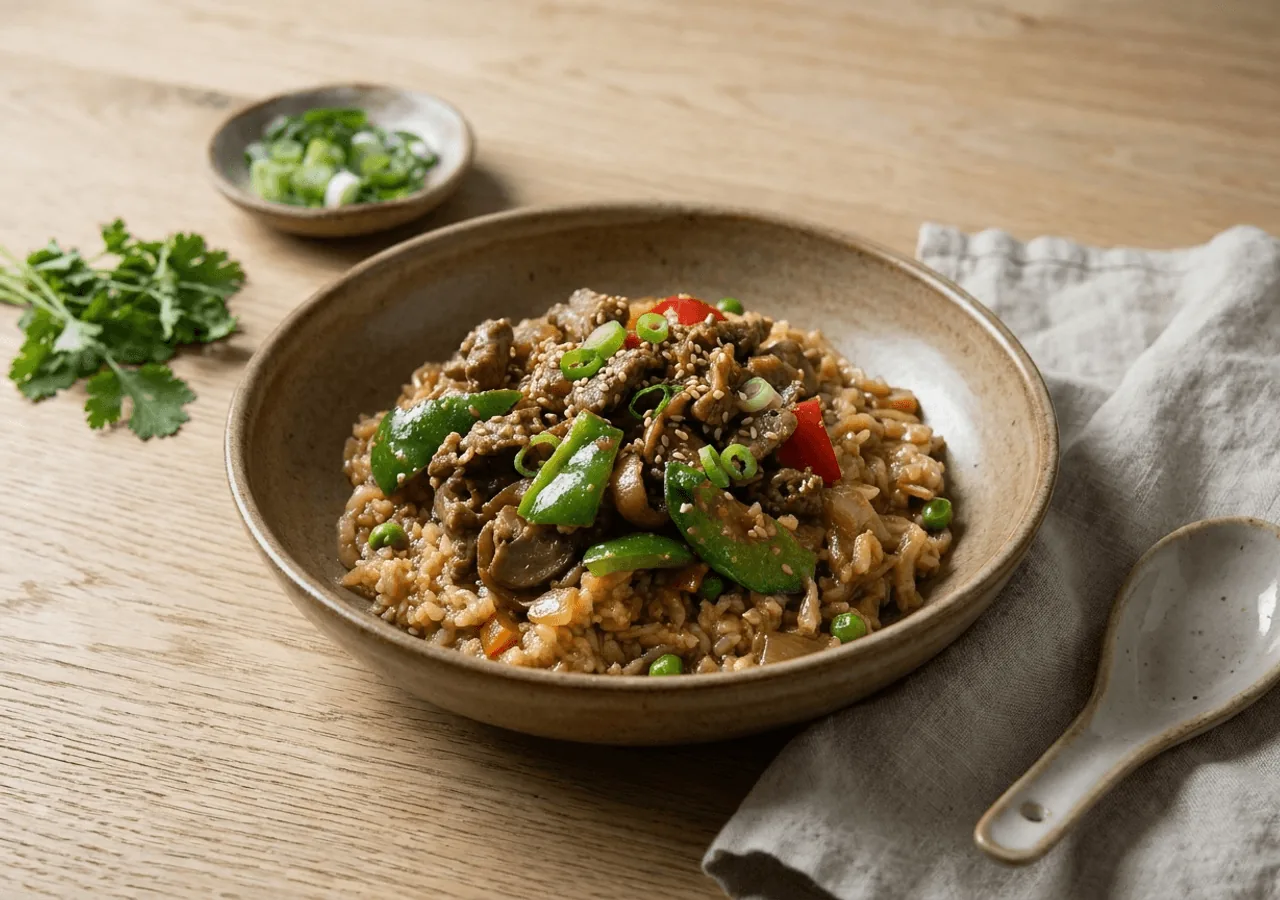
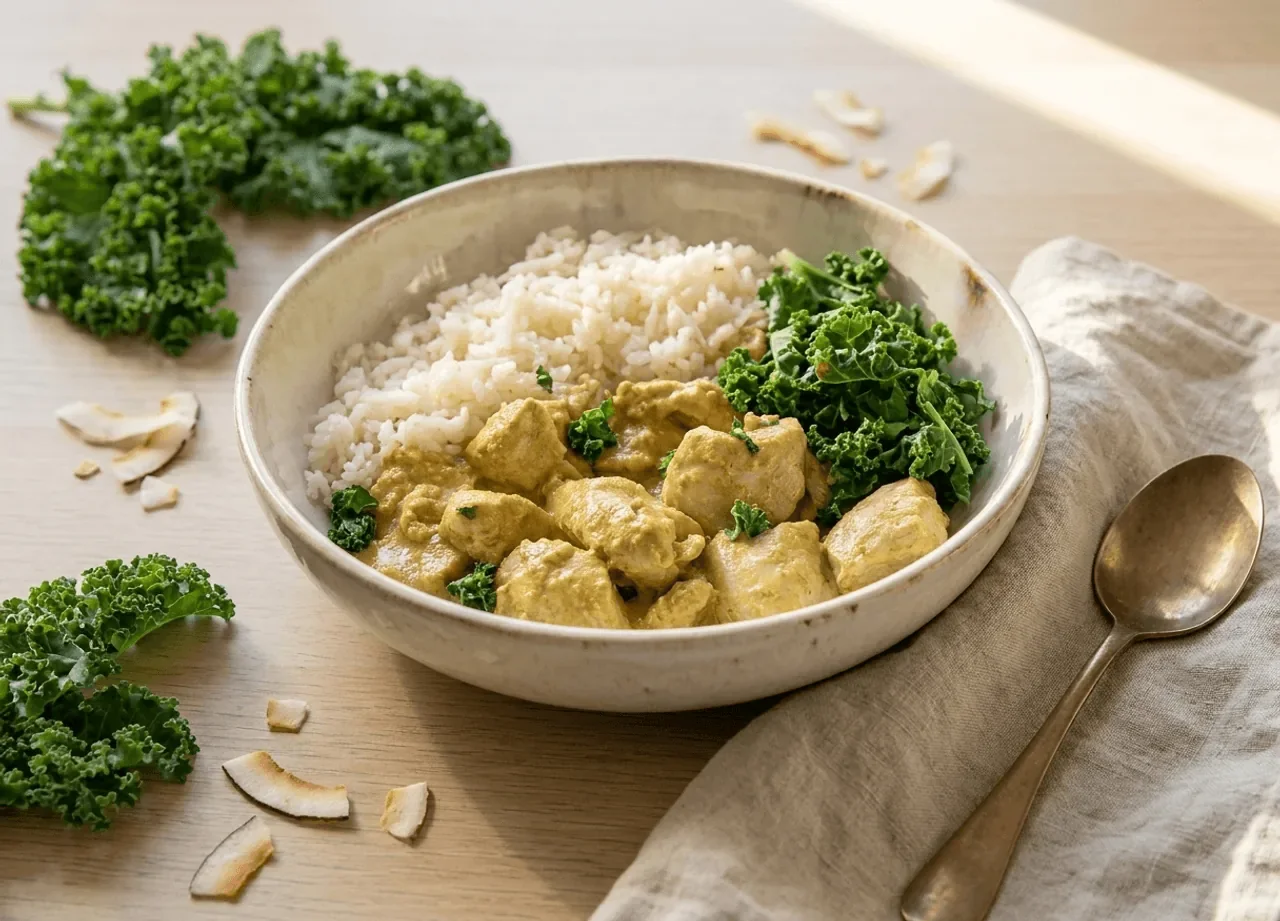
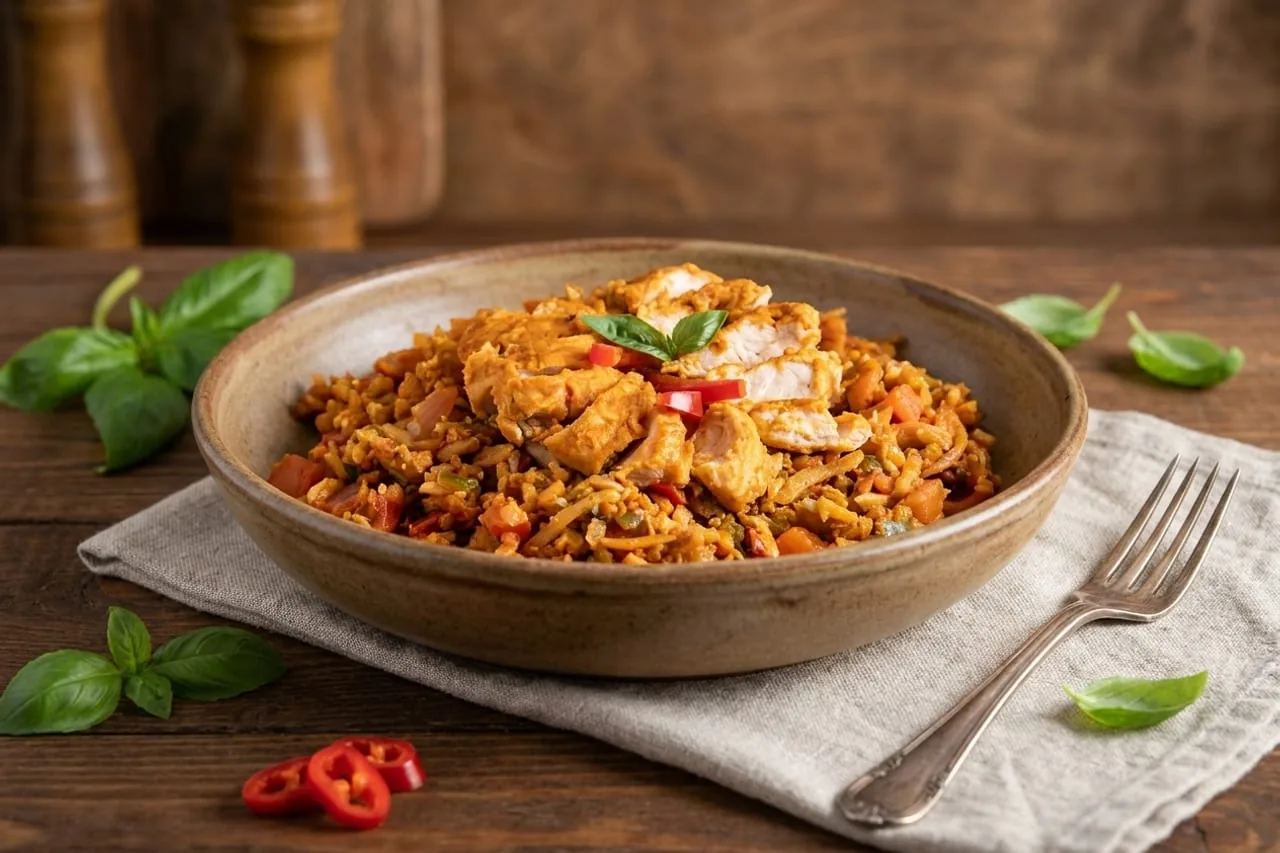
The 7 meals in this plan
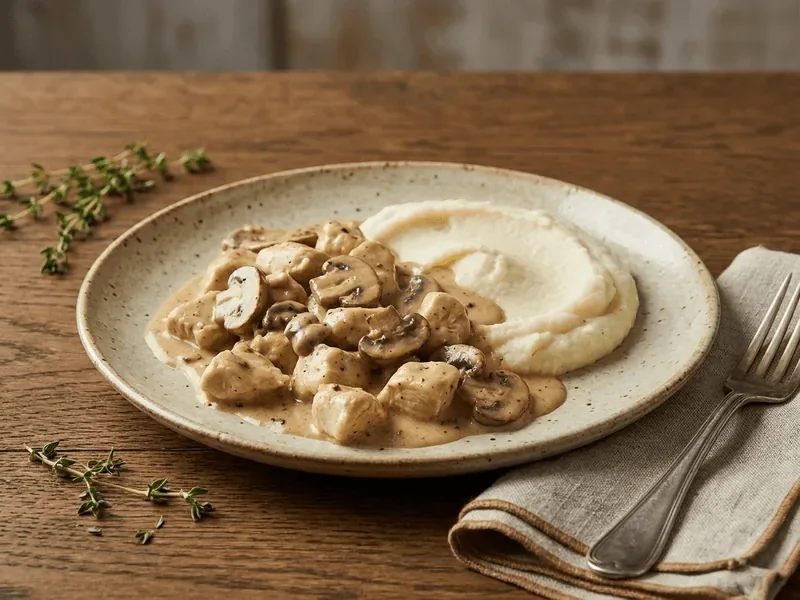
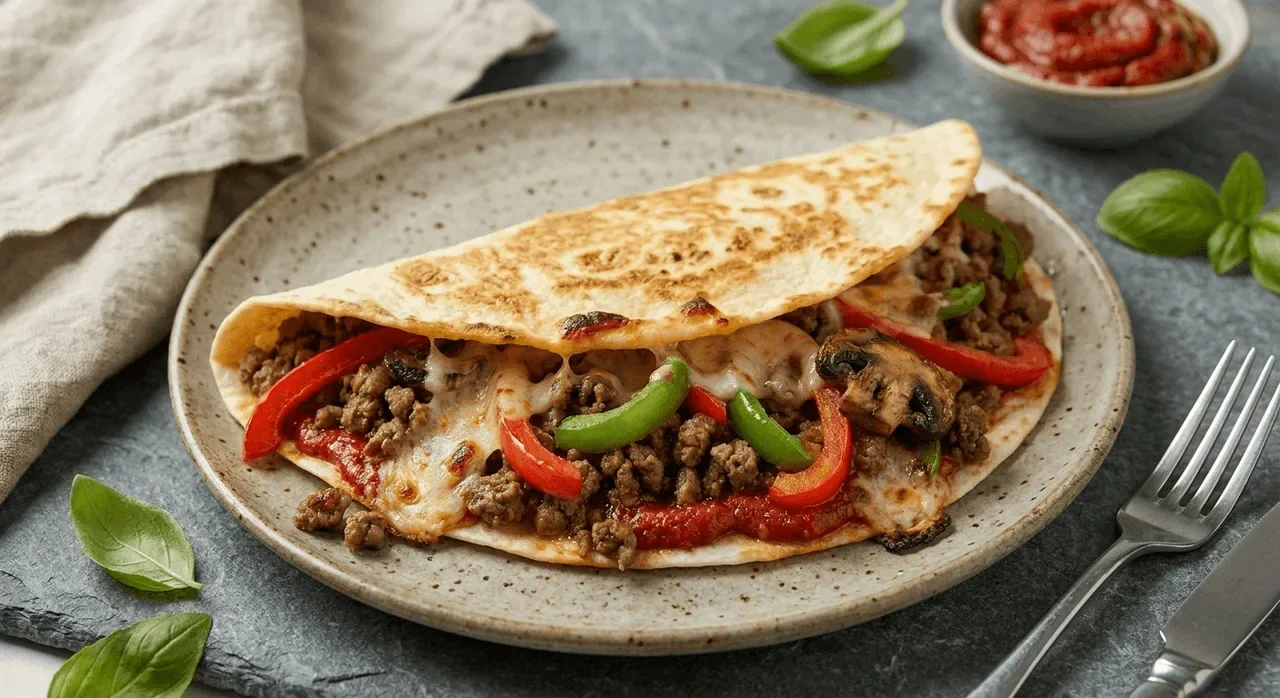
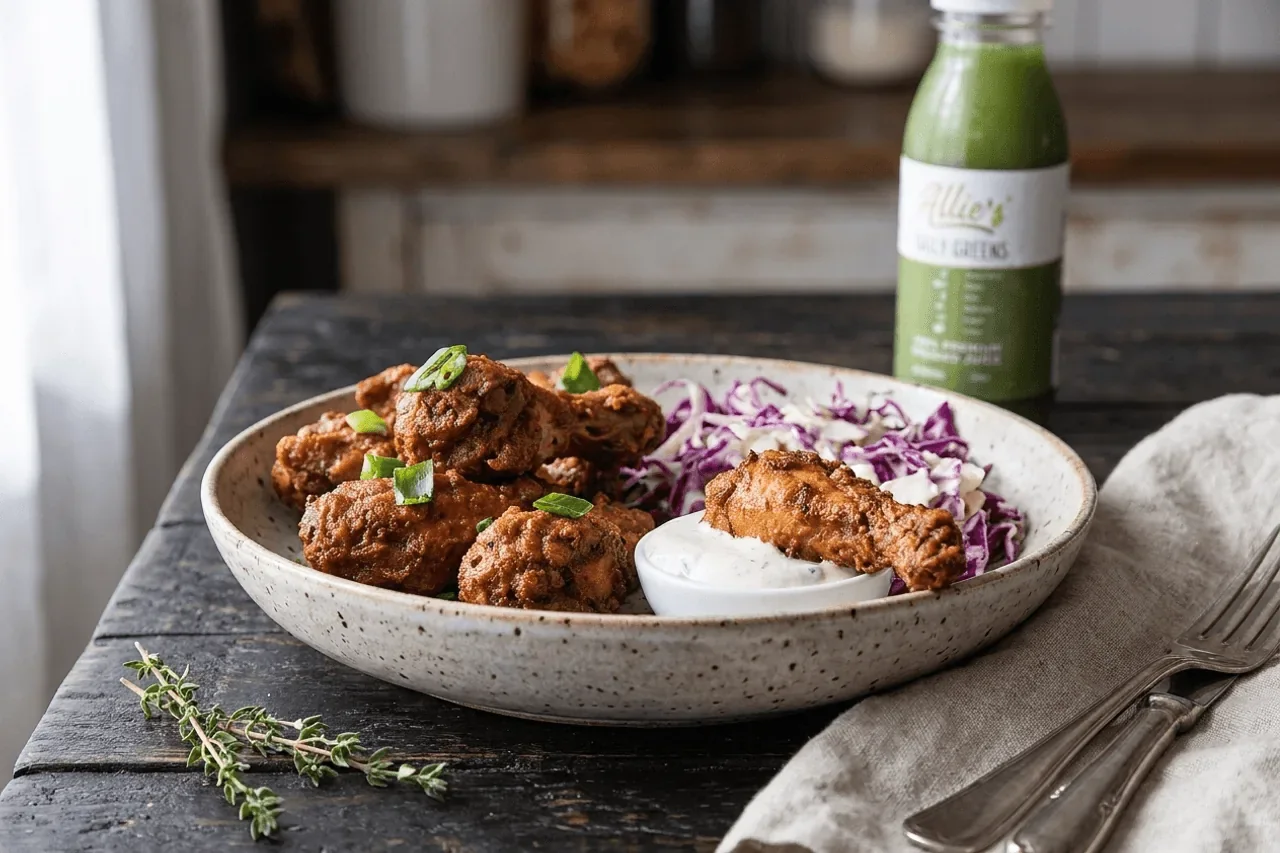
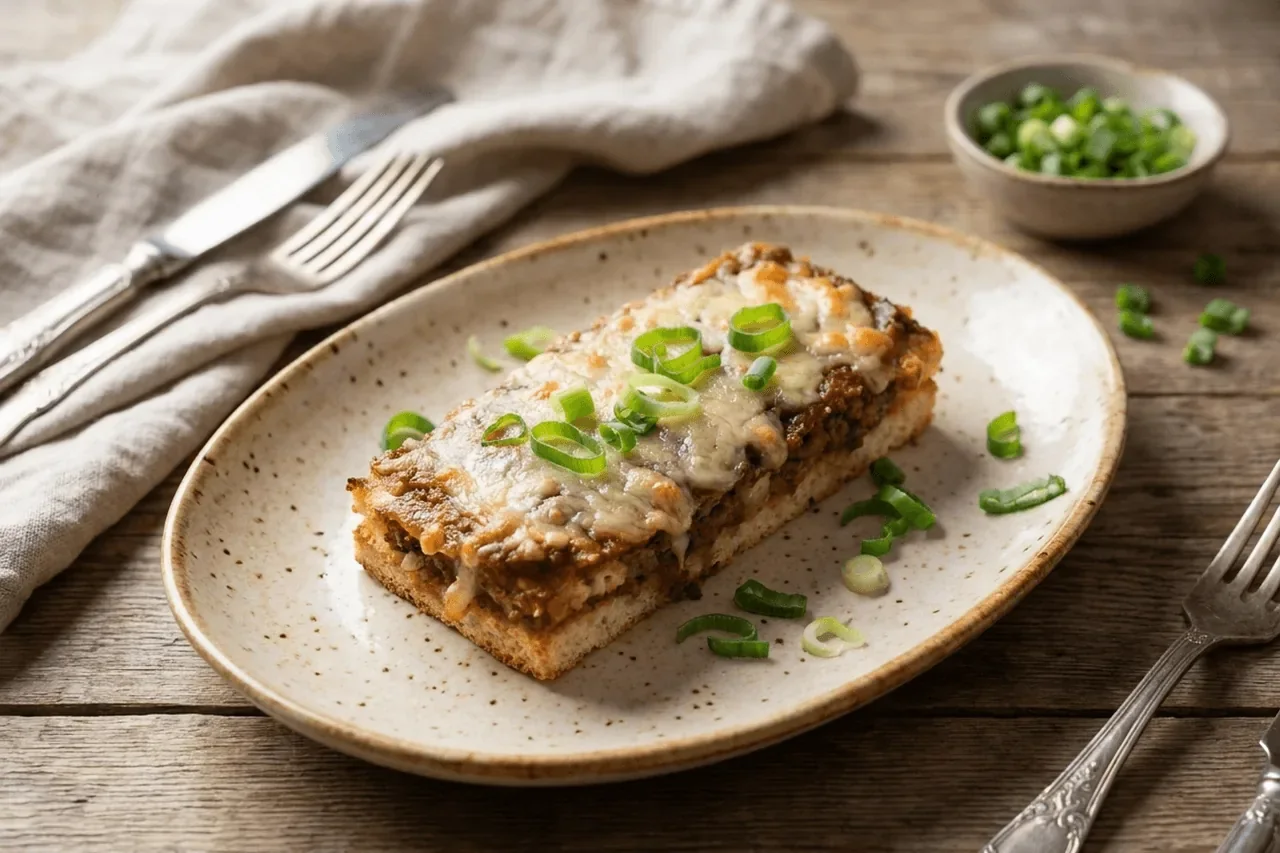
198g of protein across the plan · every macro published before you order.
Seven meals portioned for a Mounjaro-sized appetite, protein-forward so the first few bites carry the day. Preptide is independent food — not affiliated with Eli Lilly, and never a substitute for your prescriber’s advice.
- Meals
- 7
- Avg protein
- 28g
- Avg calories
- 309
- The plan
- $90.65
Swap any meal or skip any week before the weekly cutoff · Delivered across Sydney, Melbourne & Brisbane · Food only — not a medicine and not medical advice.
What to eat on Mounjaro.
Mounjaro contains tirzepatide, a dual GIP/GLP-1 receptor agonist. The TGA lists it for type 2 diabetes and chronic weight management in defined patient groups. It can affect appetite and delay gastric emptying, but food tolerance varies considerably.
Protein foods
Eggs, Greek yoghurt, cottage cheese, chicken, fish, lean meat, tofu, tempeh, beans and lentils. Choose the option and portion your clinician says is appropriate for you.
Plants and fibre
Cooked vegetables, salads, berries, fruit, legumes and whole grains can add fibre and micronutrients. Increase fibre gradually and pair it with adequate fluid.
Comfortable carbohydrates
Oats, rice, quinoa, potato and wholegrain bread can round out a meal. Portion needs differ, particularly for people managing blood glucose.
Fluids
Drink regularly rather than waiting for thirst. Ask for clinical advice if vomiting, diarrhoea or difficulty drinking puts you at risk of dehydration.
One flexible day of Mounjaro meal ideas.
Greek yoghurt with berries and a spoon of oats, or eggs with cooked spinach.
A small chicken, tofu or tuna bowl with vegetables and a little rice or quinoa.
Cottage cheese, fruit, edamame or a small handful of nuts.
Fish, lean meat or legumes with cooked vegetables and potato, rice or whole grains as comfortable.
This is deliberately not calorie-counted. Energy, protein and carbohydrate needs are individual. A prescriber or Accredited Practising Dietitian can tailor a plan for diabetes, kidney disease, pregnancy planning, allergies or unintended low intake.
Keep a short list of foods you can actually use.
A useful food list is not a wall of supposedly perfect ingredients. It is a set of mix-and-match foods that cover nutrition, feel comfortable and are easy enough to prepare when appetite is quiet.
Compact protein
Eggs, Greek yoghurt, cottage cheese, tuna, salmon, chicken, lean mince, tofu, edamame and lentils.
Plants in easier forms
Berries, bananas, soup, roast pumpkin, cooked carrots, green beans, spinach and frozen vegetables.
Flexible carbohydrates
Oats, rice, quinoa, potato, wholegrain toast, wraps and crackers in portions suited to your needs.
Low-effort backups
Tinned fish, microwave grains, soup, yoghurt, frozen vegetables and ready meals with clear ingredients and macros.
General food information only. Adjust the foods, portions and meal timing to your clinical advice, appetite, allergies and tolerance.
A practical 7-day Mounjaro meal plan.
Download the free PDFUse this as a meal-idea bank rather than a timetable you must obey. Prefer the week already cooked? The Mounjaro meals page carries this week’s orderable box. Repeat what works, start with a comfortable serve, save leftovers and leave out optional snacks when you are not hungry. The meals deliberately reuse ingredients so the plan is practical for one household rather than seven disconnected recipe ideas.
| Day | Breakfast | Lunch | Dinner | Prep or tolerance note |
|---|---|---|---|---|
| 1 | Greek yoghurt, berries and oats | Chicken and quinoa bowl with cucumber and roast vegetables | Salmon, potato and green beans | Cook extra salmon and potato for tomorrow. Use cooked fruit if raw fruit is uncomfortable. |
| 2 | Eggs, wholegrain toast and cooked spinach | Leftover salmon and potato salad | Beef, chicken or tofu stir-fry with rice | Keep oil and chilli modest if richer food worsens symptoms. |
| 3 | Porridge with yoghurt and banana | Pumpkin and lentil soup with cottage cheese | Chicken, mash and cooked carrots | Soup and mash offer softer textures on a low-appetite day. |
| 4 | Cottage cheese, fruit and a little muesli | Tuna and white-bean salad | Tofu rice bowl with cooked vegetables | Rinse tinned beans and begin with a smaller amount if fibre is increasing. |
| 5 | Egg and spinach wrap | Leftover tofu or chicken bowl | Clearly labelled ready meal plus extra vegetables if wanted | Check ingredients, allergens, portion and nutrition panel against your own advice. |
| 6 | Yoghurt, oats and banana | Chicken, tuna or falafel wrap | Fish tacos with slaw and avocado | Serve components separately and use a softer wrap if that is easier. |
| 7 | Repeat the breakfast you tolerated best | Leftovers, soup or a small protein bowl | Lean meatballs or lentil bolognese with vegetables | Freeze spare portions. Repetition is useful data, not a failed meal plan. |
This example is not a calorie prescription and is not designed for a specific diabetes medication regimen. Use the separate GLP-1 meal plan for a fuller shopping list, symptom-conscious swaps and planning method.
Meal prep for a changing appetite.
Planning a full-sized serve for every meal can create waste when appetite changes. Cook flexible components instead: one protein, one grain or potato, two vegetables and one easy breakfast. Refrigerate only what you will use safely and freeze individual portions early.
Cook once
Roast chicken or tofu, a tray of vegetables and rice or quinoa. Recombine them as bowls, wraps and soup additions.
Keep backups
Yoghurt, eggs, tinned fish, frozen vegetables and soup cover days when cooking feels unrealistic.
Record patterns
Note the food, approximate portion, timing and symptom. A short pattern is more useful than blaming one ingredient.
Personalise by substitution, not restriction. Swap dairy for a suitable alternative, meat for tofu or legumes, rice for potato, or raw vegetables for cooked ones. People using insulin or sulfonylureas, or managing kidney disease, need individual advice before materially changing carbohydrate or protein intake.
Foods some people limit.
Large meals and very fatty, fried or greasy food may be harder to tolerate for some people. Alcohol, very spicy food and large amounts of added sugar can also be unhelpful depending on symptoms and other health conditions.
Avoid turning a tolerance list into a rigid banned-food list. Keep a simple note of portion, timing and symptoms, and discuss persistent problems with the clinician managing your medicine.
A meal plan cannot manage serious symptoms.
Contact your healthcare professional if side effects are persistent, worsening or make it difficult to eat or drink. Seek urgent medical help for severe or persistent abdominal pain, signs of a serious allergic reaction, or other symptoms your Consumer Medicine Information identifies as urgent.
Tell health professionals you take a GLP-1 medicine before surgery or deep sedation, because current Australian product information includes warnings about delayed gastric emptying.
From meal plan to ready-made meals.
If your prescriber has already recommended a smaller, protein-forward eating pattern, Preptide shows portion and macro information before you order. See the ready-made Mounjaro meals, browse the current menu, or read the active-ingredient explainer in our tirzepatide food guide. Preptide does not supply or promote prescription medicines.
What is a good meal plan on Mounjaro?
There is no universal Mounjaro menu. A practical starting structure is a comfortable first serve containing a tolerated protein food, vegetables or fruit, a suitable higher-fibre carbohydrate and regular fluids, adjusted to individual health needs and symptoms.
What foods should I eat on Mounjaro?
Useful options can include eggs, yoghurt, fish, chicken, lean meat, tofu, legumes, vegetables, fruit, oats, rice, quinoa, potato and wholegrain bread. The right combination and portion depends on the person.
Are any foods banned on Mounjaro?
There is no evidence-based universal banned-food list. Some people find large, fried, greasy, very rich, highly spiced or high-sugar meals harder to tolerate, so adjust portion and richness according to symptoms.
Can I use ready-made meals while taking Mounjaro?
Prepared meals can be part of a broader plan when their portion, protein, ingredients, allergens and nutrition information fit the advice you have received. A food service does not replace individual medical or dietetic care.
Australian sources used for this guide.
- Therapeutic Goods Administration: Mounjaro chronic weight-management registration.
- TGA: GLP-1 and dual GIP/GLP-1 receptor agonist safety update.
- Wharton et al.: multidisciplinary recommendations for gastrointestinal adverse effects.
- Joint advisory: nutritional priorities to support GLP-1 therapy for obesity.
Editorial method: primary Australian medicine sources were checked first, with peer-reviewed nutrition guidance used for general food-planning context. This page has not been represented as an individual clinical review. See the Preptide editorial policy for corrections and review standards.
Important: General food information only, not medical or dietetic advice. Mounjaro is a registered trademark of Eli Lilly; Preptide is independent and is not affiliated with, endorsed by or sponsored by Eli Lilly. Preptide is food, not medication, and does not prescribe, sell or recommend prescription medicines. Read our editorial policy and Health Acknowledgement.