
Appetite comes back. The plan decides what happens next.
Whether the script has run its course, the cost stopped making sense, or you and your doctor decided it's time — stopping a GLP-1 medication changes the job your food has to do. This guide covers what the research shows about the months after stopping, and the food habits that transfer. It is not medical advice, and it is never a reason to change your medication without your prescriber.
Last updated: 15 August 2026
Food for your plan — not medicine. No prescription required. Not affiliated with any medication maker, and not medical advice.
High-protein ready meals, portioned for a smaller appetite. Cooked in our Australian kitchen and delivered chilled each week across Sydney, Melbourne and Brisbane.
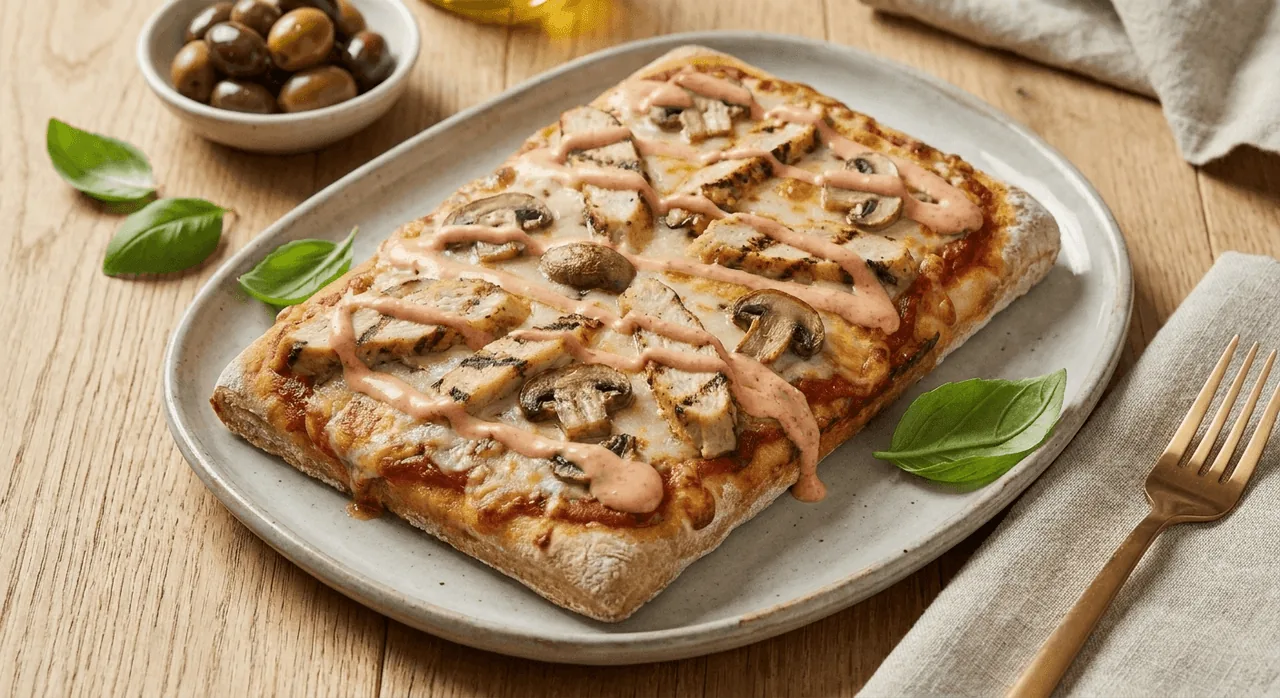 High Protein Peri Peri Pizza480 cal · 44g protein
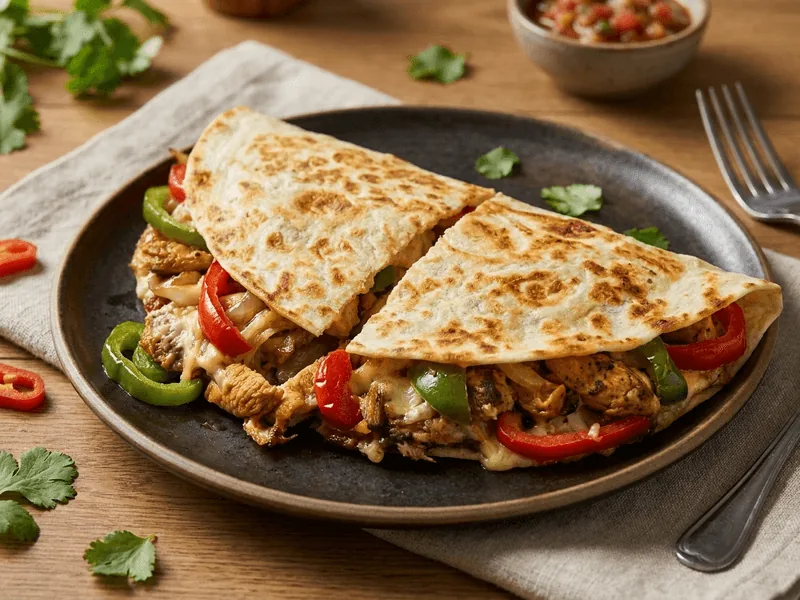 Tex Mex Chicken Fajita400 cal · 49g protein
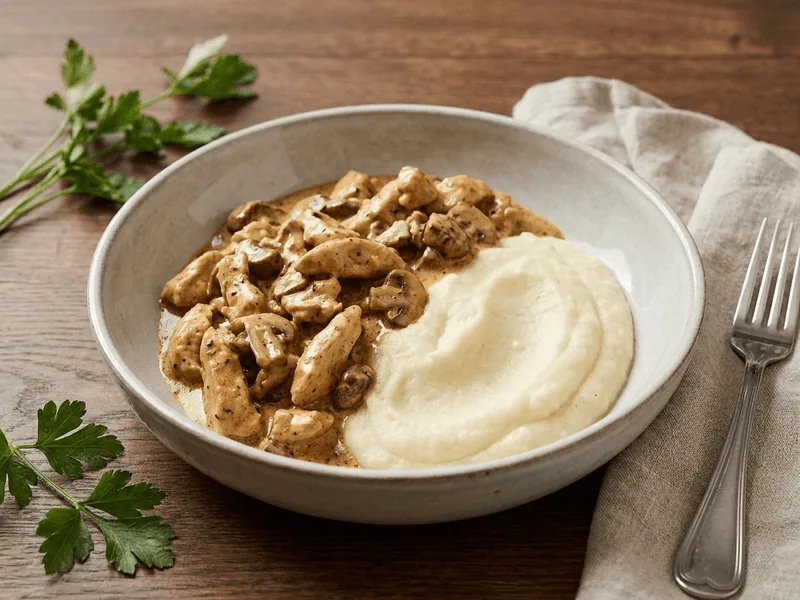 Stroganoff Power Bowl434 cal · 49g protein
7 meals from $90.65 ($12.95 each) free delivery · 14+ meals $12.30 each · 21+ meals $11.65 each
- Skip, pause or cancel
- Min 7 meals
- SYD · MEL · BNE
- Food, not medicine
The GLP-1 Maintenance Plan · updated 29 September 2026
Maintenance meals for coming off a GLP-1.
The 7 meals in this plan
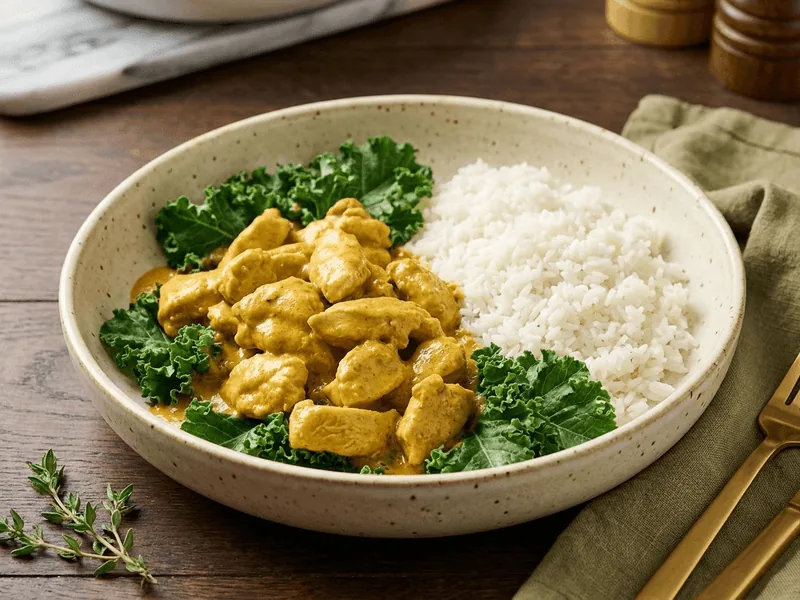
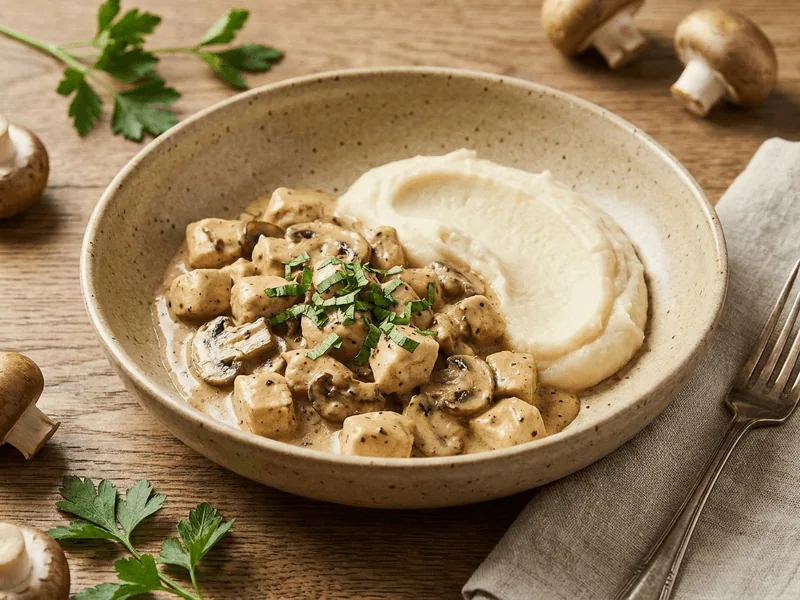
319g of protein across the plan · every macro published before you order.
Seven meals for the phase where appetite returns and portions stop self-regulating — larger serves than the on-medication box, still protein-led, still measured. Everyday eating for the long run.
- Meals
- 7
- Avg protein
- 46g
- Avg calories
- 444
- The plan
- $90.65
7 meals · $12.95 each · $90.65 free delivery. 14+ meals $12.30 each · 21+ meals $11.65 each — every meal in your box is charged at the tier you reach.
- Skip, pause or cancel
- Min 7 meals
- SYD · MEL · BNE
- Food, not medicine
Three phases, one menu
How it works
- PickTake this plan or build your own box — minimum 7 meals.
- We cook + deliverCooked in our Australian kitchen, delivered chilled on your area’s delivery day.
- Heat + eatAbout three minutes to heat. Skip, pause or cancel before each weekly cutoff.
Regain is common. It is not inevitable.
The clearest data comes from the STEP 1 trial extension: a year after participants stopped weekly semaglutide and the trial's lifestyle support, they had regained on average about two-thirds of the weight they'd lost. Appetite suppression is a medication effect, and it leaves when the medication does.
But an average is not a destiny. The same data shows wide individual variation — and the habits that hold weight best are the boring, structural ones: protein-anchored meals, portion sizes recalibrated during the medicated period, regular meal rhythm, and an environment that doesn't require willpower at 9pm. Those are food-logistics problems, and food logistics can be arranged in advance.
Four habits that transfer off the medication.
The medication did some of this work for you. The transition is about doing the same things on purpose.
Protein at every meal.
Satiety now has to come from food, not pharmacology. Protein is the most satiating macronutrient per calorie — keep the 30–50g mains you got used to. See protein on GLP-1 for the targets logic.
Keep the plate honest.
Months of smaller serves recalibrated your eye. Portion-true meals keep that calibration as appetite returns, stepping up gradually instead of snapping back to 2019 servings. Our portion guide covers the details.
Meals, not grazing.
Returning "food noise" is easier to manage with a predictable structure: three anchored meals and planned snacks beat a day of open-ended decisions.
Make the default good.
A fridge holding ready, labelled meals means the lowest-effort choice is also the on-plan one. That's the whole trick — willpower is a bad long-term strategy.
This is where the phase system earns its keep: TRANSITIONING meals step portions up while keeping protein high, and MAINTENANCE meals hold the line once you're there. The 60-second quiz recommends a starting phase. A dietitian can put personal numbers on all of it — and if weight is climbing quickly or you're struggling, that's a conversation for your GP, not a meal box.
The evidence on stopping
The STEP 1 trial established semaglutide 2.4 mg for weight management in adults with overweight or obesity (New England Journal of Medicine, 2021). Its extension study (Diabetes, Obesity and Metabolism, 2022) followed participants after treatment withdrawal and reported that, on average, about two-thirds of lost weight was regained within a year, alongside reversion of most cardiometabolic improvements. Individual results varied widely. Both studies concern semaglutide specifically; patterns for other GLP-1 medications may differ.
Questions, answered.
Will I regain weight after stopping a GLP-1?
Research suggests regain is common but not universal. In the STEP 1 trial extension, participants regained on average about two-thirds of lost weight within a year of stopping semaglutide and support. Averages hide individuals: habits built during treatment — protein-forward meals, calibrated portions, regular movement — are the levers you keep. Whether and when to stop is a decision for you and your prescriber.
What happens to appetite when the medication stops?
GLP-1 medications reduce appetite while active, and that effect fades as the medication leaves your system. Many people notice hunger and food noise returning over weeks. Planning for that return — rather than being surprised by it — is the core of a good transition.
Should I stop taking my GLP-1?
That's not a question a food company should answer, and we won't. Starting, pausing or stopping a prescription medicine is a decision for you and your prescribing doctor. This page is about food planning for people who — with their clinician — are transitioning off or have already stopped.
How does Preptide's maintenance phase work?
The menu is organised by phase: ON, TRANSITIONING and MAINTENANCE. Transitioning and maintenance meals step portions up gradually while keeping protein high, so "normal" stays calibrated as appetite returns. The 60-second quiz recommends a phase; you can change it anytime.
What food habits matter most after stopping?
The ones you can keep doing: protein at every meal, portion sizes you've calibrated by eye during treatment, regular meal timing rather than grazing, and keeping high-friction foods out of easy reach. None of this is medical advice — a dietitian can tailor targets to you — but these habits transfer directly from the medicated period to maintenance.
Preptide is food, not medication. Nothing on this page is a recommendation to start, change or stop any medicine. Decisions about GLP-1 medications belong with you and your prescribing doctor. For personalised nutrition targets during or after treatment, see an accredited practising dietitian. Read our full Health Acknowledgement →