
A realistic tirzepatide meal plan.
Tirzepatide is the active ingredient in Mounjaro. In Australia, the TGA lists Mounjaro for type 2 diabetes and chronic weight management in defined patient groups. There is no universal tirzepatide diet; the sensible plan is one that protects nutritional adequacy while adapting portions and textures to the person.
What should you eat on tirzepatide? Build a smaller first serve around a tolerated protein food, vegetables or fruit, and a suitable higher-fibre carbohydrate. Drink regularly and adjust food texture or richness if symptoms make meals uncomfortable. A clinician or Accredited Practising Dietitian should individualise amounts and any diabetes-specific advice.
The Tirzepatide Meal Plan · updated 26 August 2026
A tirzepatide meal plan you can eat this week.
The 7 meals in this plan
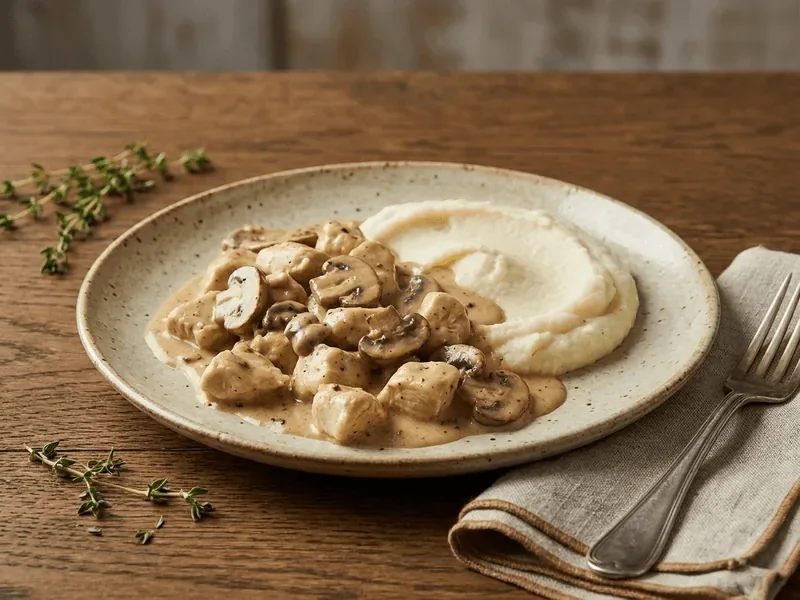
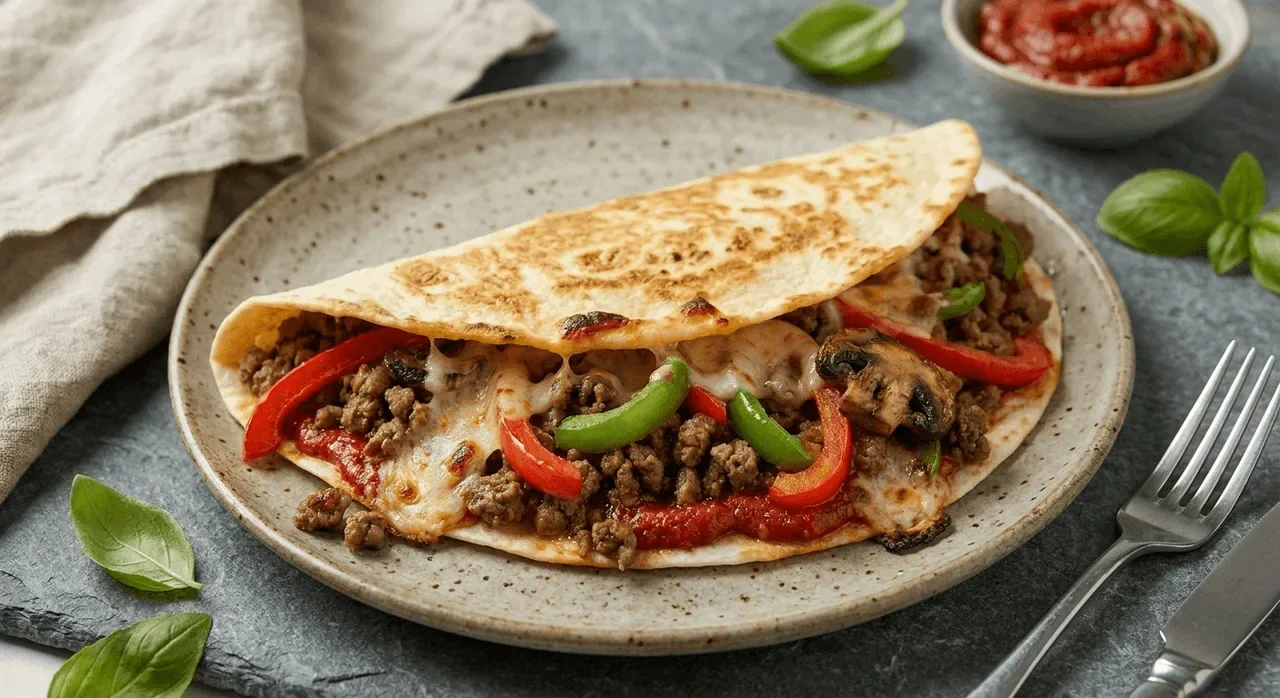
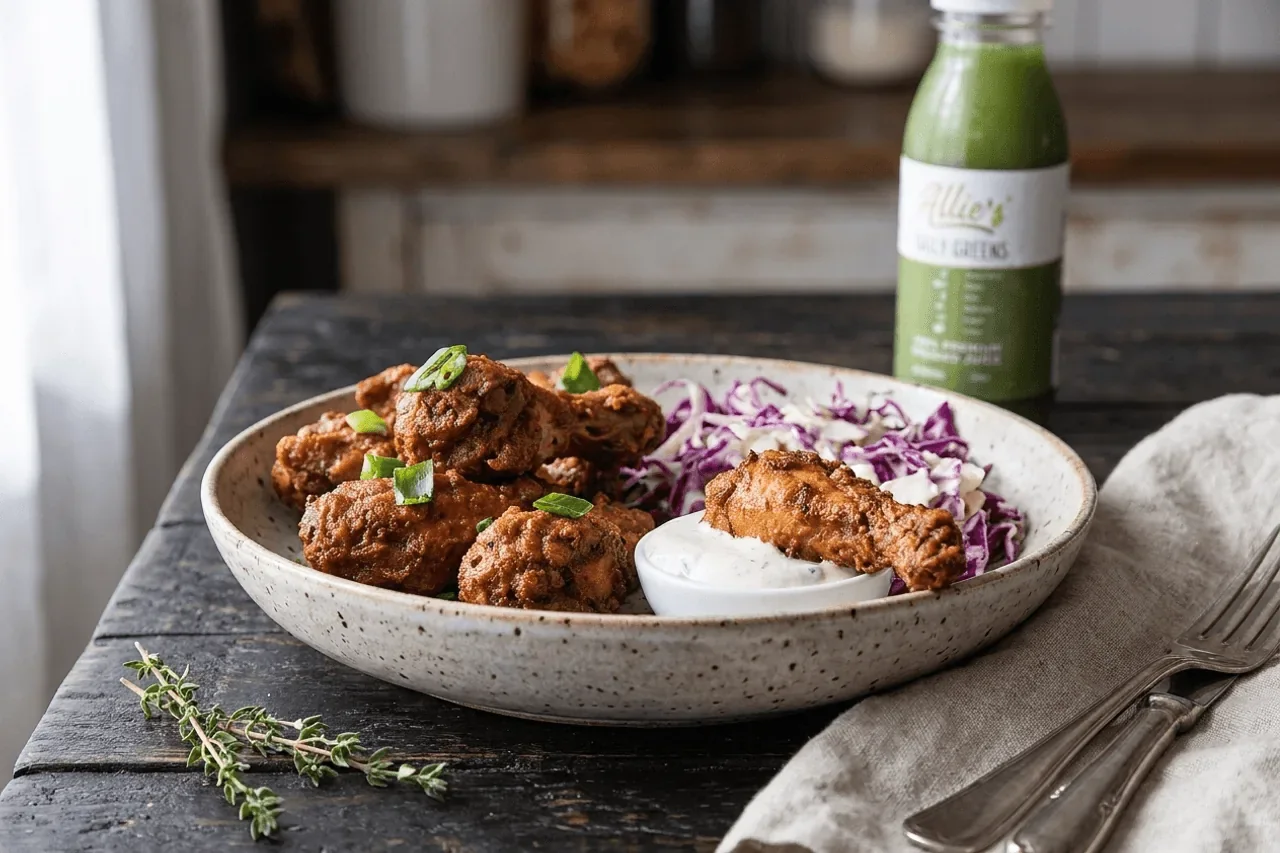
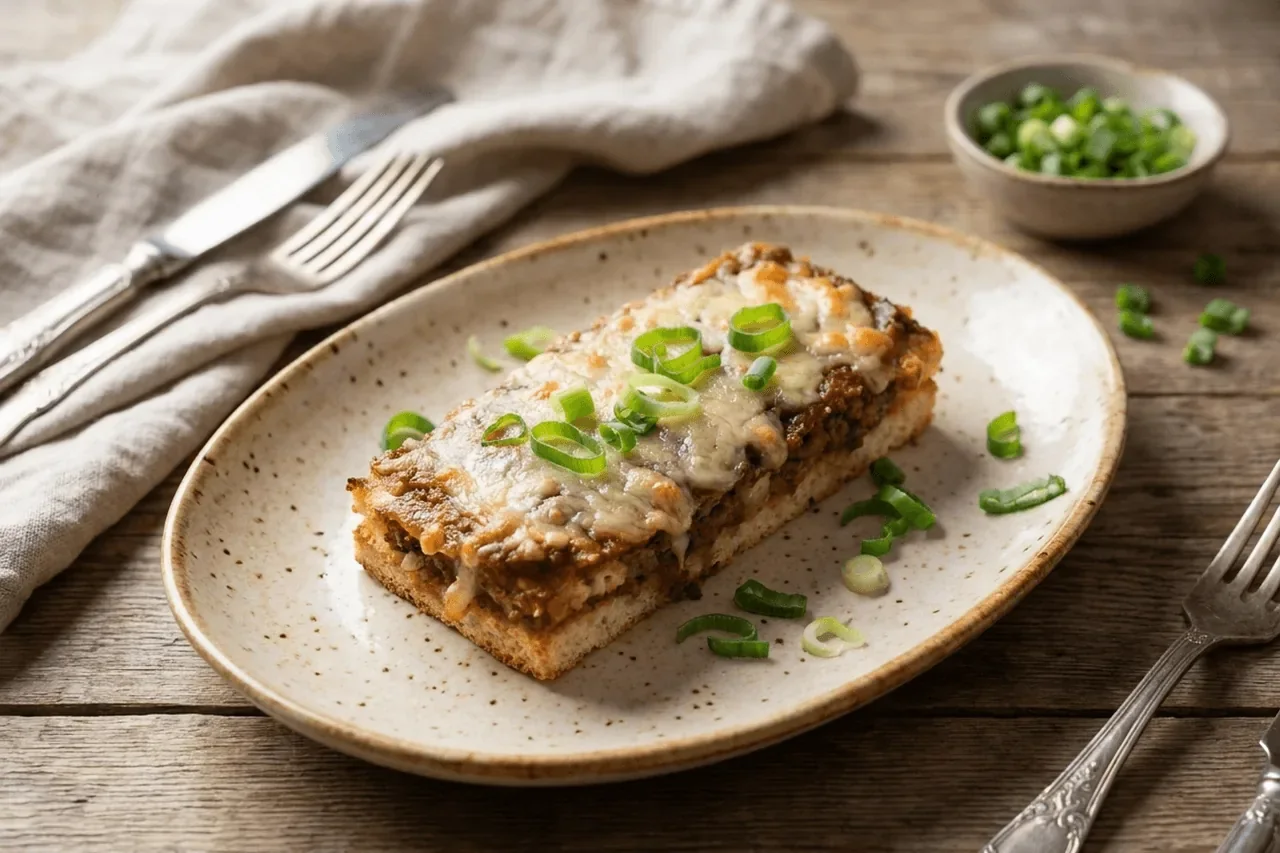
198g of protein across the plan · every macro published before you order.
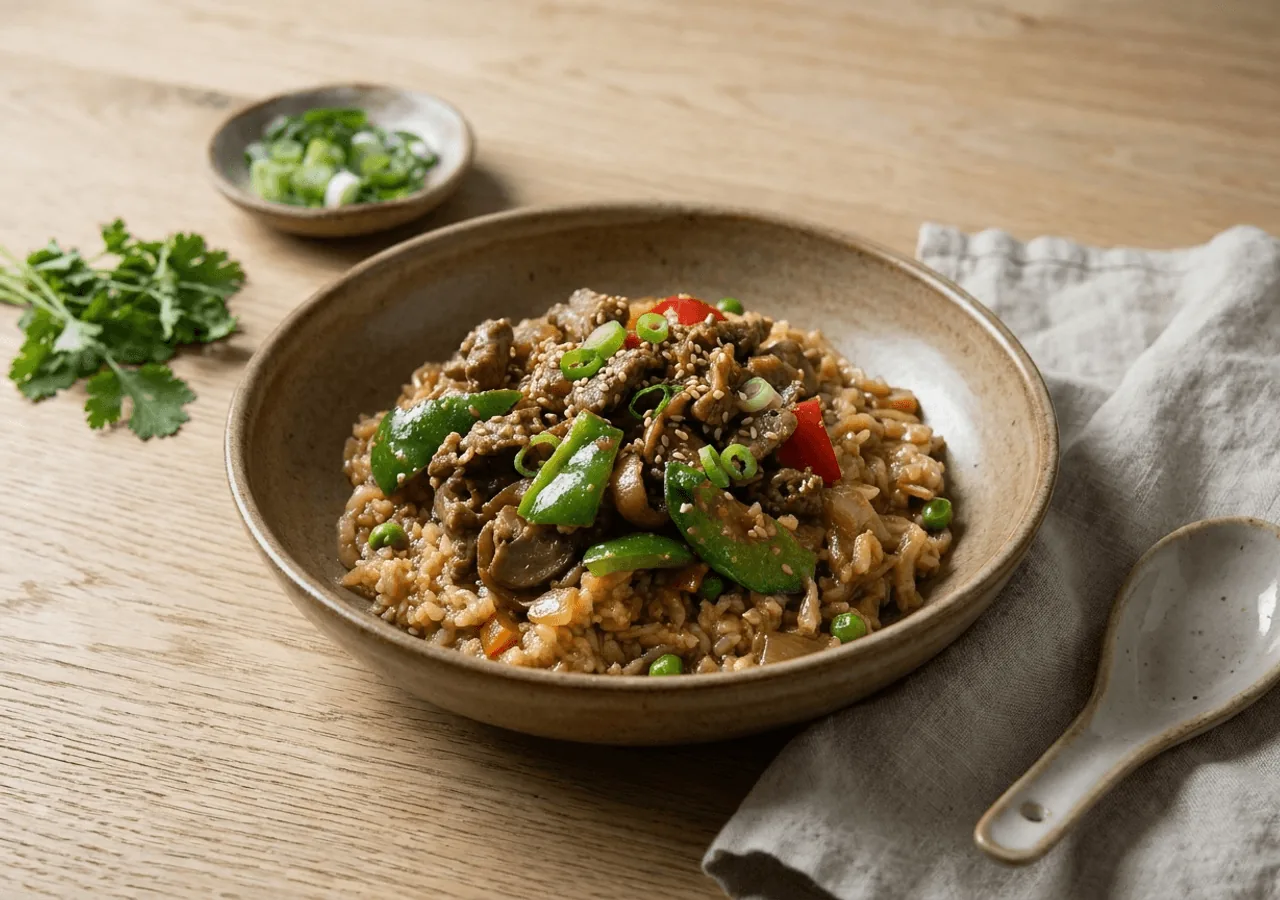
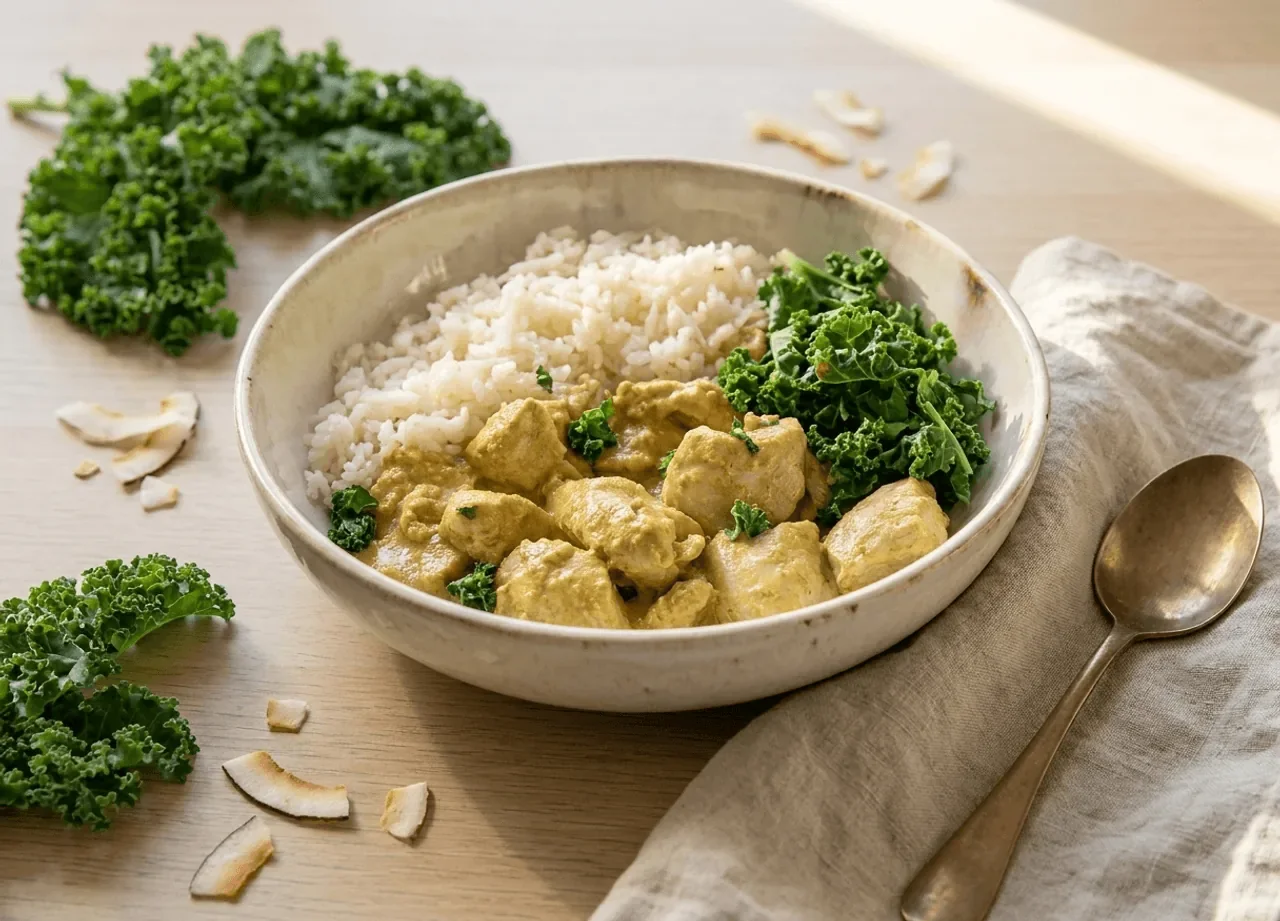
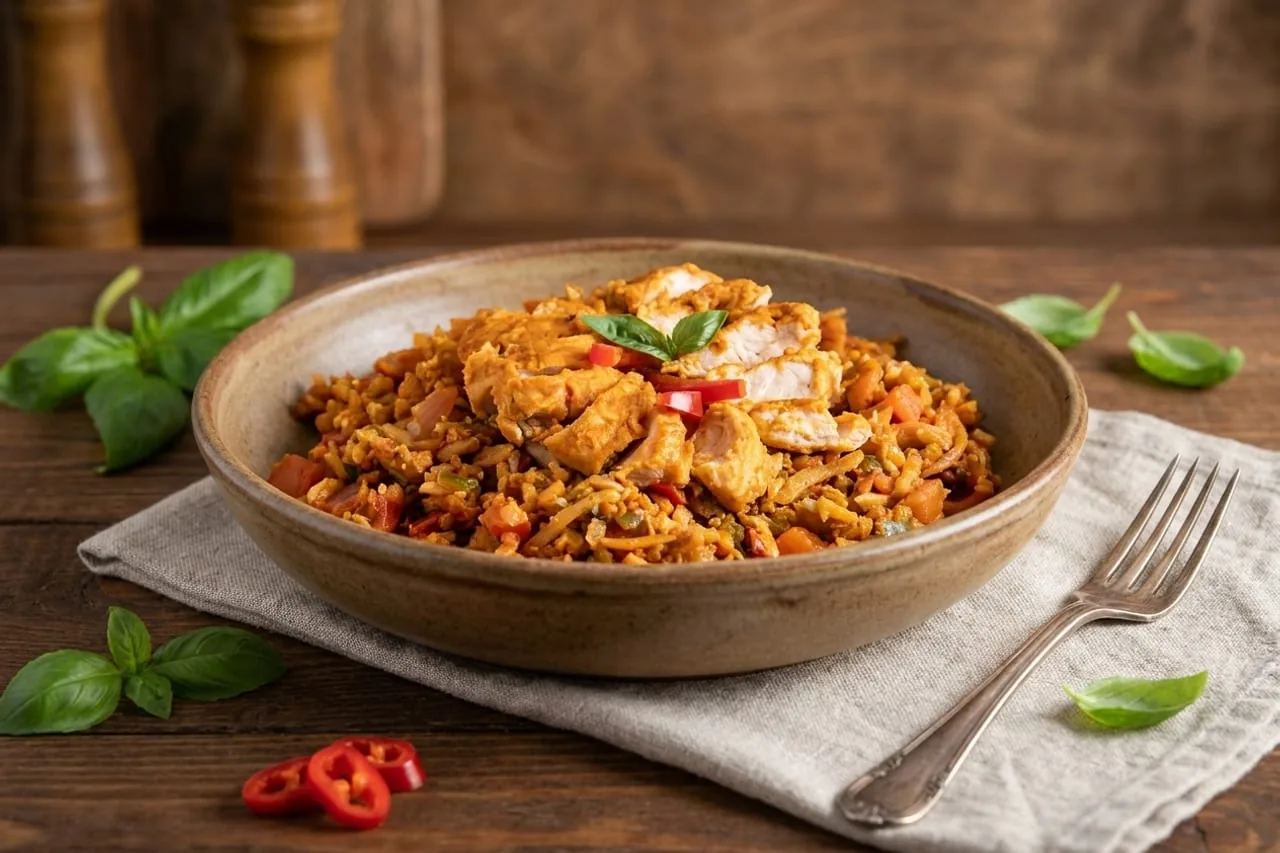
The printable plan above is the pattern. This is the same pattern as food: seven protein-forward meals portioned for the appetite tirzepatide leaves you with, so protein stays high while portions stay small. Food only — never a substitute for your prescriber’s advice.
- Meals
- 7
- Avg protein
- 28g
- Avg calories
- 309
- The plan
- $90.65
Swap any meal or skip any week before the weekly cutoff · Delivered across Sydney, Melbourne & Brisbane · Food only — not a medicine and not medical advice.
Tirzepatide—not “trizepitide” or “tirzepitide”.
The scientific name is tirzepatide. “Trizepitide”, “tirzepitide” and similar forms are common misspellings. Mounjaro is the tirzepatide brand currently marketed in Australia. Brand availability and approved indications differ by country, so rely on the Australian Product Information and your prescriber rather than overseas pages.
Four priorities for smaller meals.
1. Protein
Use eggs, dairy, fish, chicken, lean meat, tofu, tempeh or legumes according to preference and clinical needs. Start with it when appetite is limited.
2. Plants
Include vegetables, fruit, legumes or whole grains for fibre and micronutrients. Increase fibre gradually if bowel symptoms are active.
3. Fluids
Drink consistently across the day. Persistent vomiting or diarrhoea can make dehydration a clinical issue, not a meal-planning problem.
4. Adequacy
Smaller portions are not automatically better. If intake is persistently very low or strength is falling, seek individual assessment.
A flexible example day.
Eggs with toast and cooked vegetables, or Greek yoghurt with oats and fruit.
A small chicken, fish, tofu or bean bowl with vegetables and a little rice or quinoa.
Fruit, cottage cheese, edamame or nuts, depending on appetite and needs.
Lean protein or legumes, cooked vegetables and a suitable carbohydrate portion.
This is an example of structure, not an individual prescription. Diabetes medicines, kidney function, allergies, pregnancy planning and other factors may require different advice.
Choose foods that earn their place.
When appetite is lower, a short list of reliable foods is often more useful than a long list of rules. Aim for options that contribute protein, plants, carbohydrate or fluid and are realistic on busy or low-appetite days.
Protein anchors
Eggs, Greek yoghurt, cottage cheese, chicken, tuna, salmon, lean mince, tofu, tempeh, edamame and lentils.
Plants and fibre
Berries, bananas, cooked vegetables, soup, beans, oats, quinoa and wholegrain bread. Increase fibre gradually with fluid.
Flexible carbohydrates
Rice, potato, oats, quinoa, wraps, toast and crackers. Needs differ, especially when managing blood glucose.
Low-effort options
Tinned fish, frozen vegetables, microwave grains, yoghurt, eggs, soup and clearly labelled prepared meals.
General food information only. Adjust foods and portions to your medical advice, diabetes plan, appetite, allergies and tolerance.
A flexible 7-day tirzepatide meal plan.
Download the free PDFThis plan is not calorie-counted and snacks are optional. Begin with a comfortable portion and repeat meals that work. It intentionally uses leftovers so food preparation stays realistic.
| Day | Breakfast | Lunch | Dinner |
|---|---|---|---|
| 1 | Yoghurt, berries and oats | Chicken quinoa bowl | Salmon, potato and beans |
| 2 | Eggs, toast and spinach | Leftover salmon salad | Tofu or beef vegetable stir-fry with rice |
| 3 | Porridge with banana and yoghurt | Pumpkin-lentil soup | Chicken, mash and cooked carrots |
| 4 | Cottage cheese and fruit | Tuna and bean salad | Tofu rice bowl with vegetables |
| 5 | Egg and spinach wrap | Leftover protein bowl | Labelled ready meal with vegetables |
| 6 | Yoghurt, oats and banana | Chicken or falafel wrap | Fish tacos with slaw |
| 7 | Repeat the best-tolerated breakfast | Leftovers or soup | Lean meatballs or lentil bolognese |
Optional snacks can include fruit, yoghurt, cottage cheese, edamame or nuts. If you take insulin or a sulfonylurea, changing carbohydrate intake may affect your glucose-management plan; ask your clinical team for individual guidance.
Change the form before abandoning the food.
When nausea is active: some people prefer cooler, blander or lower-fat foods such as yoghurt, toast, crackers, rice, soup or a small egg meal. Avoid forcing a large meal.
When fullness arrives quickly: serve a smaller plate, prioritise the protein-containing component and keep another portion for later rather than compressing the day into one large meal.
When constipation is a problem: fluids, movement and a gradual increase in fruit, vegetables, oats, legumes or whole grains may help, but severe or persistent symptoms need clinical advice.
When intake stays very low: do not assume this is a desirable result. Persistent weakness, dehydration, vomiting or inability to maintain adequate food and fluid warrants professional assessment.
Match the meal to your tolerance.
Large meals and very fatty, fried or greasy food may feel uncomfortable for some people. Alcohol, high-sugar drinks or heavily spiced dishes can also be problematic depending on symptoms. Reduce the amount or frequency only when it helps; there is no evidence-based universal banned-food list.
Escalate persistent or severe symptoms.
Speak to the healthcare professional managing your treatment if symptoms persist, worsen or interfere with food and fluids. Seek urgent help for severe or persistent abdominal pain, a serious allergic reaction, or other urgent symptoms listed in the Consumer Medicine Information. Tell clinicians before anaesthesia or deep sedation.
Tirzepatide diet-plan questions, answered.
What foods should I eat while taking tirzepatide?
Use a comfortable serve containing a tolerated protein food, vegetables or fruit, a suitable carbohydrate and regular fluids. The right foods and amounts depend on health needs, other medicines and symptoms.
Is there an official tirzepatide diet plan?
No universal official menu applies to everyone. A useful plan accounts for the reason tirzepatide was prescribed, current intake, diabetes treatment, medical conditions and food tolerance.
Are tirzepatide and Mounjaro the same thing?
Tirzepatide is the active ingredient in Mounjaro. Mounjaro is a brand name. Approved indications and brand availability differ between countries.
Is trizepitide the correct spelling?
No. The active ingredient is spelled tirzepatide. “Trizepitide” and “tirzepitide” are common search misspellings.
Tirzepatide guide or Mounjaro meals?
Use this page for active-ingredient questions. For a fuller brand-specific food list and meal ideas, see the Mounjaro diet plan. If you are comparing prepared food after receiving clinical advice, use the separate Mounjaro meals page. Keeping those purposes separate helps readers reach the right answer without pretending food is treatment.
- TGA Australian Public Summary: Mounjaro (tirzepatide).
- TGA chronic weight-management registration.
- TGA GLP-1 and dual GIP/GLP-1 receptor agonist safety update.
- Joint advisory: nutritional priorities to support GLP-1 therapy for obesity.
Primary Australian medicine sources were checked first. This guide has not been represented as individual clinical review; see our editorial process for sourcing, corrections and review status.
Important: General food information only. Mounjaro is a registered trademark of Eli Lilly. Preptide is independent and is not affiliated with, endorsed by or sponsored by Eli Lilly. We do not prescribe, sell or recommend prescription medicines. See our editorial policy and Health Acknowledgement.