
High-protein foods for weight loss: an Australian list with protein per serve
Sixteen foods you can buy in any Australian supermarket, with the protein and energy in a typical serve and the protein you get per 1,000 kJ. Figures are rounded from the Australian Food Composition Database and common product labels, so you can compare options and build meals that keep you full on fewer kilojoules.
The most protein for the least energy comes from tinned tuna, kangaroo, skinless chicken breast, egg whites, prawns, cottage cheese, reduced-fat Greek yoghurt and whey. Eggs, salmon, lean beef, tofu and tempeh bring more energy per gram of protein but add useful fats or fibre. Legumes carry protein plus fibre and carbohydrate. A useful meal has 25–40 g of protein from one or two of these, with vegetables filling the rest of the plate. Protein needs are individual; a GP or Accredited Practising Dietitian can set targets for you.
The High-Protein Meal Plan · updated 5 October 2026
A 7-day high-protein meal plan that arrives cooked.
The 7 meals in this plan
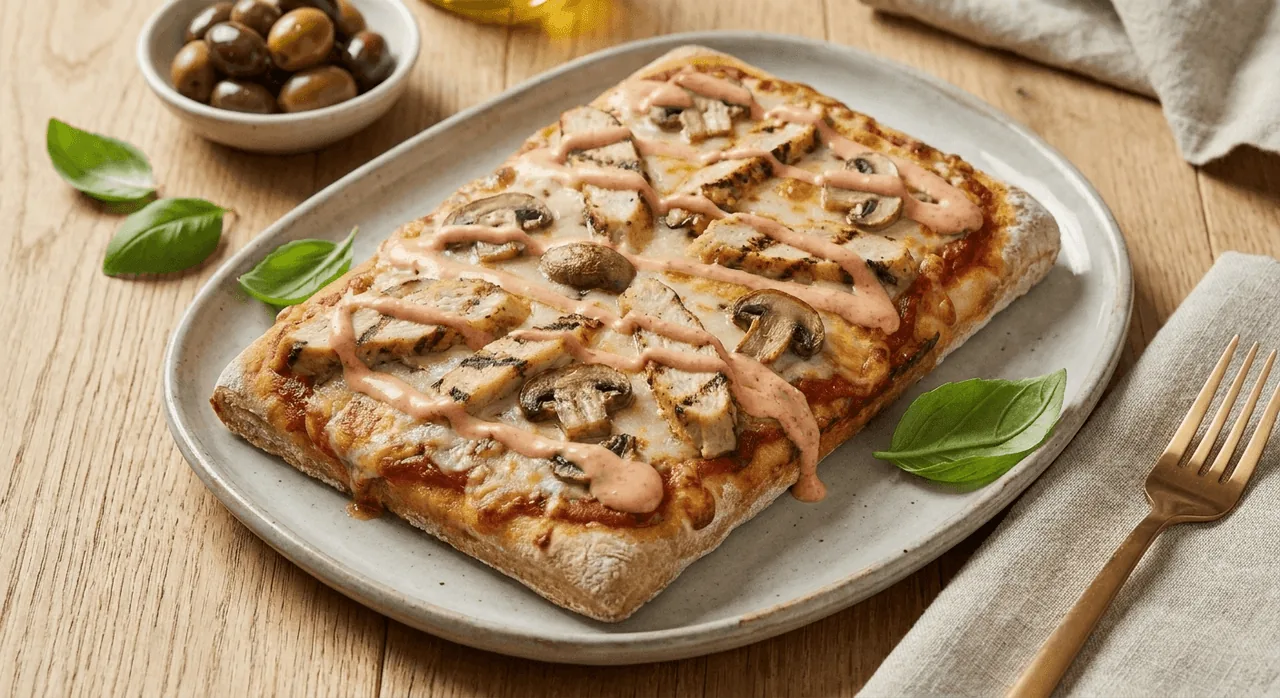
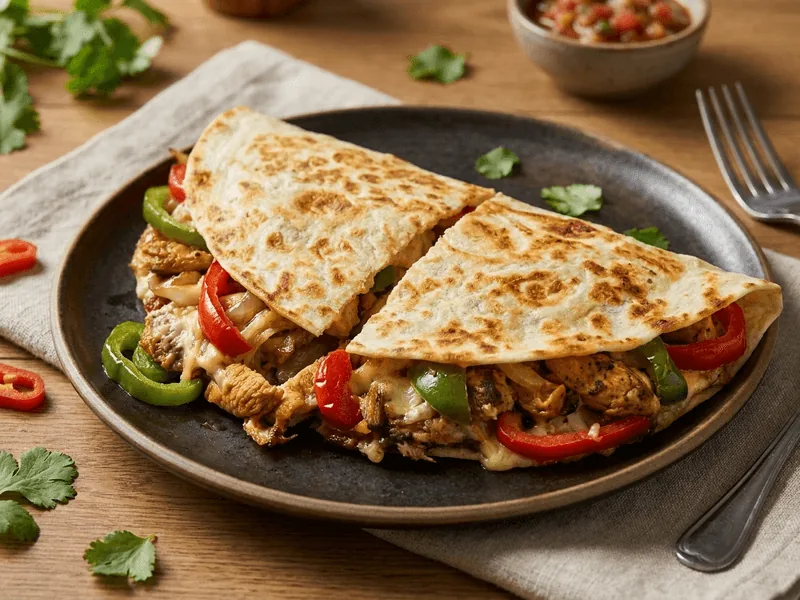
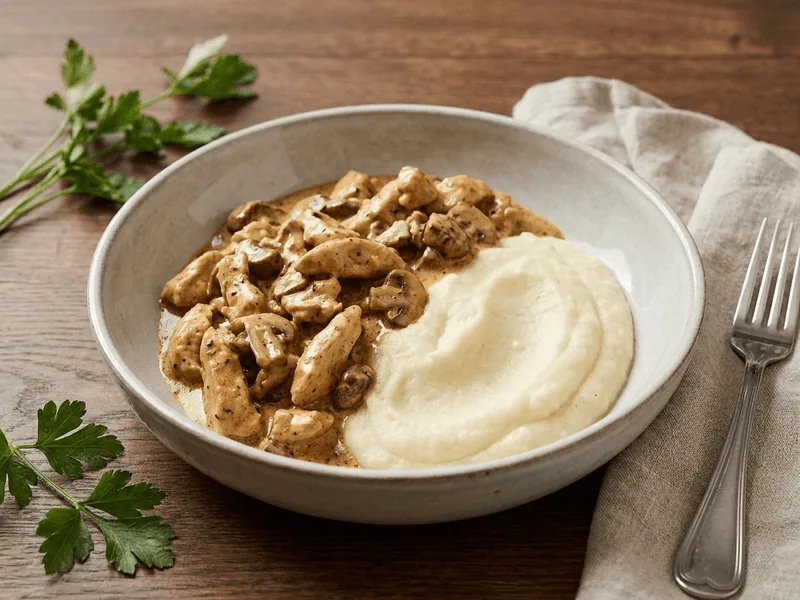
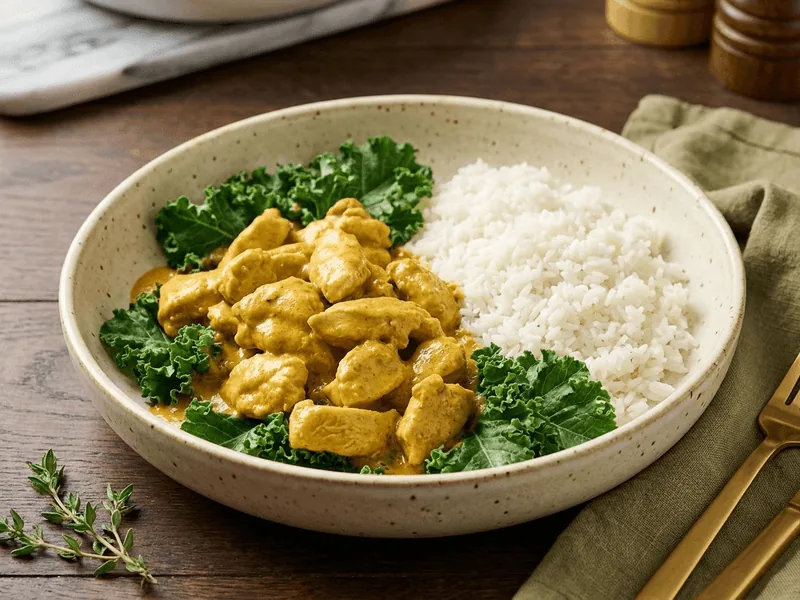
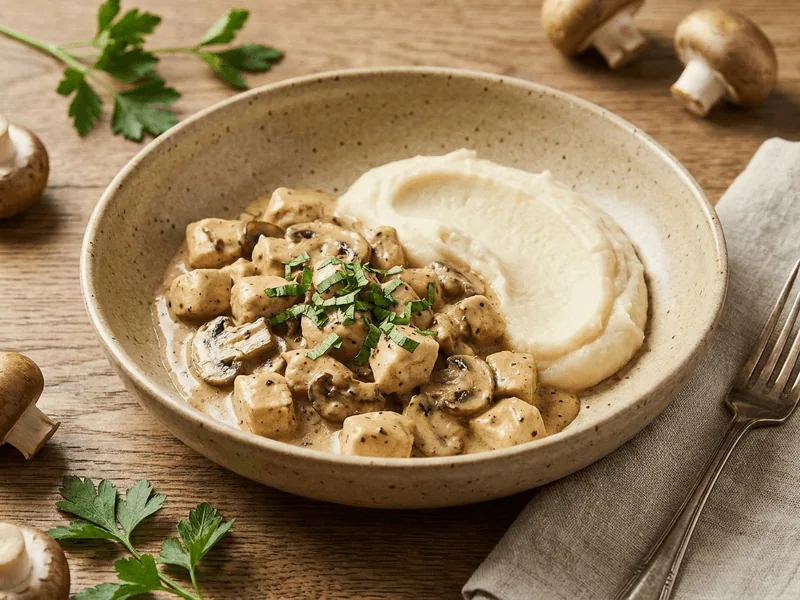
319g of protein across the plan · every macro published before you order.
Seven calorie-controlled, protein-forward meals with every macro published before you order. Built from this week’s live menu and delivered weekly across Sydney, Melbourne and Brisbane — skip any week, swap any meal until cutoff.
- Meals
- 7
- Avg protein
- 46g
- Avg calories
- 444
- The plan
- $90.65
Swap any meal or skip any week before the weekly cutoff · Delivered across Sydney, Melbourne & Brisbane · Food only — not a medicine and not medical advice.
High-protein foods, per typical Australian serve.
Serves are the amount an adult would normally eat in one sitting, not the 100 g reference used on nutrition panels. The last column divides protein by energy so you can see which foods carry protein most efficiently. Brands vary, so check your own pack.
| Food | Typical serve | Protein | Energy | Protein per 1,000 kJ |
|---|---|---|---|---|
| Tinned tuna in springwater, drained | 95 g tin | 20 g | 400 kJ (95 kcal) | 50 g |
| Kangaroo fillet, grilled | 100 g | 31 g | 620 kJ (150 kcal) | 50 g |
| Whey protein powder | 30 g scoop | 24 g | 500 kJ (120 kcal) | 48 g |
| Chicken breast, skinless, cooked | 100 g | 31 g | 690 kJ (165 kcal) | 45 g |
| High-protein yoghurt | 160 g tub | 15 g | 380 kJ (90 kcal) | 39 g |
| Greek yoghurt, plain, reduced-fat | 170 g | 16 g | 420 kJ (100 kcal) | 38 g |
| Lean beef (rump, trimmed), grilled | 100 g | 30 g | 800 kJ (190 kcal) | 38 g |
| Cottage cheese | 100 g (about half a cup) | 13 g | 420 kJ (100 kcal) | 31 g |
| Salmon, Atlantic, cooked | 100 g | 24 g | 900 kJ (215 kcal) | 27 g |
| Tempeh | 100 g | 20 g | 800 kJ (190 kcal) | 25 g |
| Firm tofu | 100 g | 14 g | 550 kJ (130 kcal) | 25 g |
| Skim milk | 250 mL | 9 g | 375 kJ (90 kcal) | 24 g |
| Edamame, shelled, cooked | 1 cup (155 g) | 18 g | 790 kJ (190 kcal) | 23 g |
| Eggs | 2 large (about 100 g) | 13 g | 590 kJ (140 kcal) | 22 g |
| Lentils, cooked | 1 cup (200 g) | 18 g | 970 kJ (230 kcal) | 19 g |
| Chickpeas, tinned, drained | 1 cup (160 g) | 11 g | 900 kJ (215 kcal) | 12 g |
Figures rounded from the FSANZ Australian Food Composition Database and typical Australian product labels (yoghurts, whey, tinned goods). Full-fat Greek yoghurt is closer to 600 kJ per 170 g; tinned lentils are slightly lower in protein per 100 g than home-cooked.
Why protein helps when you are eating less.
Three things make protein useful in a lower-energy diet. It is the most filling macronutrient per kilojoule in controlled feeding studies, so meals built on it are easier to stop eating and keep you satisfied for longer. Digesting it uses more energy than digesting fat or carbohydrate. And when energy intake drops, adequate protein helps the body hold on to muscle rather than losing it alongside fat.
A 2012 meta-analysis of energy-restricted trials found that higher-protein, lower-fat diets produced more favourable changes in body composition and some cardiometabolic markers than standard-protein diets with the same energy. The differences were modest and the diets were still energy-restricted; protein is not a substitute for eating less overall.
None of this requires special products. Every food in the table above is an ordinary supermarket item.
How much protein, and how often.
The Nutrient Reference Values set the Recommended Dietary Intake at about 0.84 g/kg/day for men and 0.75 g/kg/day for women aged 19–70, higher after 70. That prevents deficiency; it is not designed for deliberate energy restriction.
Reviews commonly discuss 1.2–1.6 g/kg/day during energy restriction, with 1.0–1.2 g/kg/day for healthy older adults and up to 2.0 g/kg/day for people training hard. These are research ranges, not rules.
Roughly 25–40 g per eating occasion, three or four times a day, is the distribution most often studied. In food terms that is a 100 g chicken breast, a 170 g Greek yoghurt plus two eggs, or 150 g firm tofu with a cup of edamame.
A GP or Accredited Practising Dietitian, especially if you have kidney or liver disease, diabetes, gout, are pregnant or breastfeeding, or are over 70. Our protein guide covers reaching targets on a small appetite, including for people whose appetite is reduced by GLP-1 medicines.
Protein density is not the only thing that matters.
The right-hand column rewards lean foods. That is useful when you want protein without much energy, but it hides what the other foods bring.
Lean animal foods
Tuna, kangaroo, chicken breast and prawns give the most protein per kilojoule. They suit the main meal when the plate is otherwise full of vegetables and a modest carbohydrate serve.
Fattier animal foods
Eggs, salmon and untrimmed red meat carry more energy per gram of protein, but salmon brings long-chain omega-3 fats and eggs are cheap, quick and nutrient-dense. Portion is the lever.
Legumes and soy
Lentils, chickpeas and edamame bundle protein with fibre and slow carbohydrate, which adds fullness. Tofu and tempeh are the most protein-dense plant options. Serves are usually larger or paired with eggs or dairy.
Dairy and whey
Greek yoghurt, cottage cheese and skim milk are protein-dense and easy on a small appetite. Whey is a top-up for days when food alone falls short, not a replacement for meals.
Building meals from the list.
Pick one or two foods from the table for each meal, aim for 25–40 g of protein, then fill the plate with vegetables and add a modest serve of a fibre-rich carbohydrate if you want one. Three examples:
Breakfast, about 24 g
170 g reduced-fat Greek yoghurt (16 g) with 30 g oats (4 g), berries and a tablespoon of chia (2 g). Swap in two eggs on toast for a savoury version.
Lunch, about 31 g
A 95 g tin of tuna (20 g) over half a cup of chickpeas (6 g) with rocket, tomato, lemon and 50 g cottage cheese (6 g). No cooking.
Dinner, about 38 g
120 g cooked chicken breast (37 g) with roast pumpkin, broccoli and half a cup of brown rice. Kangaroo or firm tofu with edamame work the same way.
For a full week built this way, use the free 7-day high protein meal plan. For cooking ideas, see our high protein recipes and breakfast ideas. If you would rather not cook, the Preptide menu lists protein and energy per meal, and the high-protein meal delivery page explains what to check on a label.
Cheapest protein on the list.
Per gram of protein, eggs, tinned tuna, tinned legumes, skim milk, cottage cheese and frozen edamame are consistently the lowest-cost items. Chicken thigh costs less than breast and brings a little more fat. Kangaroo is often cheaper than beef per kilogram and leaner. Buying whole chickens, frozen fish and home-brand dairy keeps the cost down further.
Reaching the same protein without meat.
A plant-based meal with 30 g of protein usually combines two sources: 150 g firm tofu with a cup of edamame, a cup of lentils with 100 g tempeh, or chickpeas with a soy yoghurt dressing and a handful of seeds. Soy milk matches skim milk for protein; most other plant milks do not. If you also avoid dairy, check calcium and vitamin B12 with a dietitian.
Which food has the most protein per kilojoule?
Among everyday Australian foods, tinned tuna in springwater, kangaroo, skinless chicken breast and whey protein deliver around 45 to 50 g of protein per 1,000 kJ. Egg whites and prawns are similar. Fattier cuts, whole eggs, salmon and legumes carry more energy per gram of protein, which is not a flaw, just a different job.
Are plant proteins good for weight loss?
Yes. Tofu, tempeh, edamame, lentils and chickpeas bring fibre alongside protein, which helps fullness. They carry a little less protein per kilojoule than lean meat or fish, so serves tend to be larger or paired with eggs or dairy to reach the same protein.
Is whey protein a food?
Whey is a dairy-derived protein powder. It is a convenient top-up when appetite or time is short, but it brings little fibre or micronutrients and does not involve chewing, so most people do better using it alongside food rather than instead of it.
How much protein should I eat to lose weight?
Australian Nutrient Reference Values set the adult baseline at about 0.75 to 0.84 g per kilogram of body weight a day. Research on energy-restricted diets commonly discusses 1.2 to 1.6 g/kg/day, with higher amounts studied in older adults and hard training. Needs are individual; ask a GP or Accredited Practising Dietitian to set yours.
Do I need to eat protein at every meal?
You do not have to, but spreading protein across three or four eating occasions of roughly 25 to 40 g each is the pattern most often studied for muscle maintenance and appetite control, and it is easier than fitting a day’s protein into dinner.
Are high-protein yoghurts worth it?
They are a practical snack: about 15 g of protein for roughly 380 kJ (90 kcal) per tub. Plain Greek yoghurt gives similar protein for a similar price per 100 g, so choose on taste, sugar content and convenience rather than expecting a nutritional edge.
Sources used for this list.
- FSANZ Australian Food Composition Database (protein and energy values).
- NHMRC Nutrient Reference Values: protein.
- Eat for Health: standard serve sizes.
- Paddon-Jones et al. 2008: Protein, weight management and satiety, AJCN.
- Wycherley et al. 2012: Meta-analysis of energy-restricted high-protein versus standard-protein diets.
- Leidy et al. 2015: The role of protein in weight loss and maintenance.
- Dietitians Australia: find an Accredited Practising Dietitian.
Editorial method: composition figures were taken from the Australian Food Composition Database where available and from typical Australian product labels for branded categories, then rounded. This page is not an individual clinical review. See the Preptide editorial policy for corrections and review standards.
Important: General food information only, not medical or dietetic advice. Protein and energy needs are individual; ask your GP or an Accredited Practising Dietitian to set targets. Preptide is food, not medication, and does not prescribe, sell or recommend prescription medicines. Delivery is shown at checkout before you pay. Read our editorial policy and Health Acknowledgement.