
7-day high protein meal plan for Australia (free printable)
A week of breakfasts, lunches, dinners and snacks with a protein food at every meal, using ingredients from any Australian supermarket. Each line shows the approximate protein in the serve. Print it, download the PDF, or treat it as an idea bank.
A high protein meal plan is simple to build: anchor each meal on a protein food (eggs, yoghurt, cottage cheese, fish, chicken, lean meat, tofu or legumes), add vegetables and a modest serve of fibre-rich carbohydrate, and spread protein across the day. The week below lands at roughly 95–120 g of protein a day with the serves shown. Needs are individual: treat it as a starting structure and ask a GP or Accredited Practising Dietitian to set your targets.
General food information only. Adjust foods and serves to your appetite, allergies and advice.
The 7-day high protein meal plan.
Download the free PDFProtein figures are approximate (Australian Food Composition Database and typical labels). Ingredients repeat on purpose: Monday’s chicken feeds Tuesday’s lunch; Tuesday’s chilli is frozen for Saturday. Snacks are optional.
| Day | Breakfast | Lunch | Dinner | Snack or note |
|---|---|---|---|---|
| 1 | Greek yoghurt (200 g), berries, 30 g oats · about 24 g protein | Chicken breast (120 g cooked), brown rice, roast vegetables · about 40 g | Baked salmon (150 g), baby potatoes, green beans · about 34 g | Boiled egg and fruit · about 7 g. Cook double chicken and rice. |
| 2 | Two-egg omelette with spinach, toast with cottage cheese · about 22 g | Leftover chicken and rice bowl, cucumber, tomato, lemon-yoghurt dressing · about 40 g | Lean beef and kidney bean chilli (125 g mince per serve), half a cup of rice · about 38 g | High-protein yoghurt tub · about 15 g. Double the chilli; freeze half for day 6. |
| 3 | Overnight oats: 40 g oats, 150 g Greek yoghurt, skim milk, chia · about 22 g | Tinned tuna (95 g) and cannellini bean salad with rocket · about 30 g | Firm tofu (150 g) and edamame stir-fry with rice · about 30 g | Cottage cheese (100 g), cherry tomatoes · about 13 g. Vegetarian day; swap tofu for chicken if preferred. |
| 4 | Cottage cheese (150 g) on wholegrain toast with tomato · about 24 g | Leftover stir-fry, or a chicken and salad wrap · about 30 g | Kangaroo or lean beef steak (150 g), sweet potato mash, broccoli · about 45 g | Skim milk latte and 20 almonds · about 12 g. Kangaroo cooks fast; rest it before slicing. |
| 5 | Smoothie: 250 mL skim milk, 100 g Greek yoghurt, banana, berries · about 20 g (44 g with whey) | Red lentil and pumpkin soup, wholegrain toast, 50 g cottage cheese · about 22 g | Chicken thigh traybake (150 g), roast vegetables, chickpeas · about 42 g | Two boiled eggs · about 13 g. Batch the soup; it freezes well. |
| 6 | Two eggs on toast, 50 g smoked salmon, spinach · about 25 g | Frozen chilli from day 2 with green salad · about 38 g | Baked white fish (150 g), potato wedges, slaw · about 32 g | Edamame (1 cup, shelled) · about 18 g. Frozen fish is fine; thaw in the fridge. |
| 7 | Cottage cheese and oat pancakes with berries · about 25 g | Leftover traybake, or a clearly labelled ready meal · about 35 g | Lean beef or lentil bolognese, wholegrain pasta · about 38 g | Greek yoghurt (150 g) with fruit · about 14 g. Freeze spare portions. |
Not an energy prescription. Adjust serves to your body size, activity, health and advice. For a portion method rather than a menu, see the portion guide.
The High-Protein Meal Plan · updated 5 October 2026
A 7-day high-protein meal plan that arrives cooked.
The 7 meals in this plan
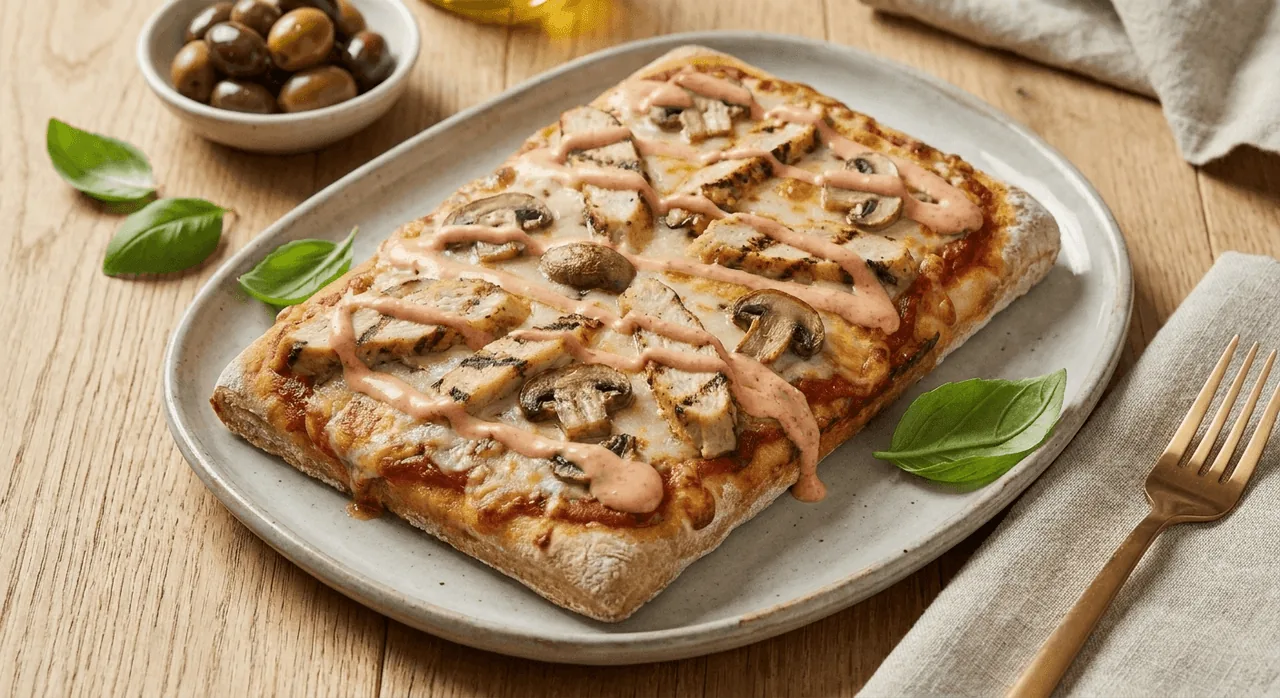
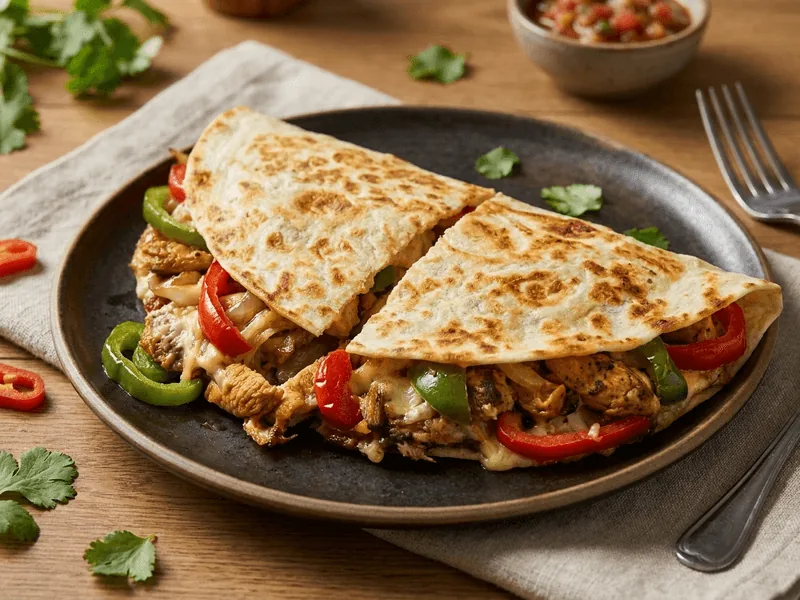
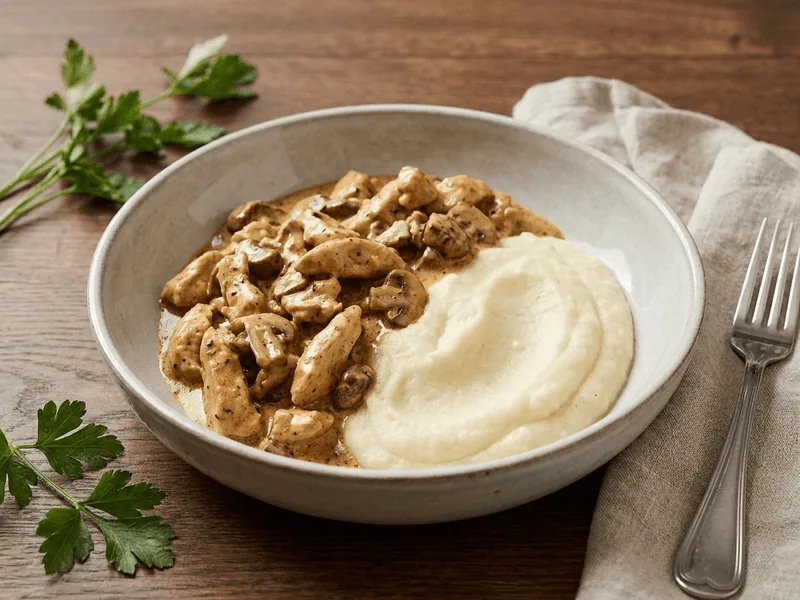
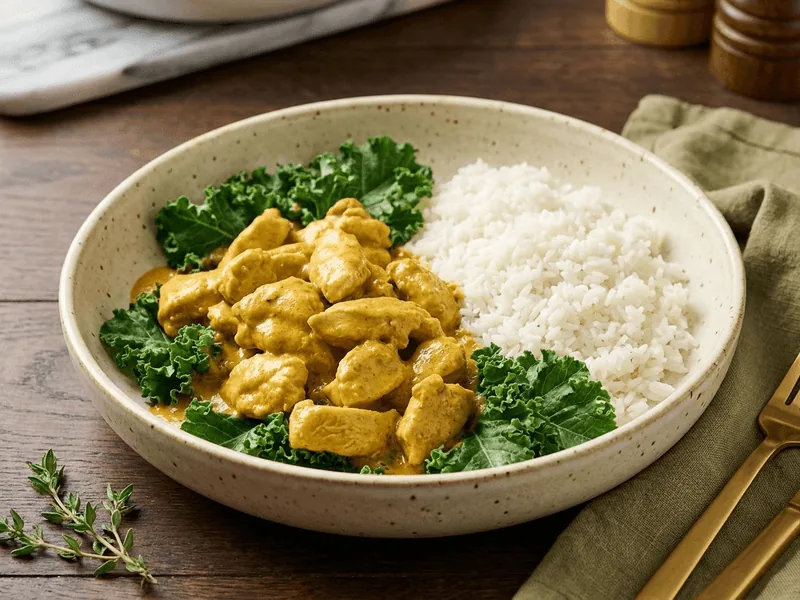
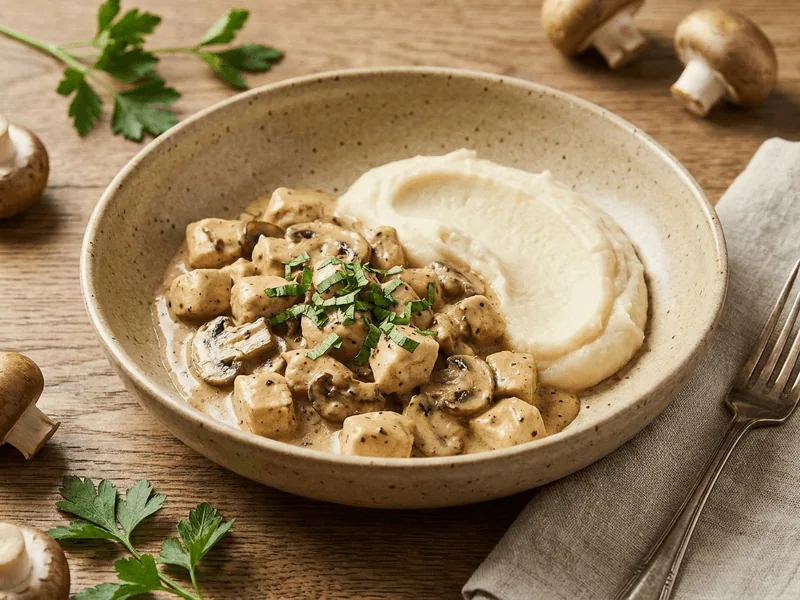
319g of protein across the plan · every macro published before you order.
Seven calorie-controlled, protein-forward meals with every macro published before you order. Built from this week’s live menu and delivered weekly across Sydney, Melbourne and Brisbane — skip any week, swap any meal until cutoff.
- Meals
- 7
- Avg protein
- 46g
- Avg calories
- 444
- The plan
- $90.65
Swap any meal or skip any week before the weekly cutoff · Delivered across Sydney, Melbourne & Brisbane · Food only — not a medicine and not medical advice.
How much protein a day?
The Australian Nutrient Reference Values set the Recommended Dietary Intake at about 0.84 g of protein per kilogram of body weight for men and 0.75 g/kg for women aged 19 to 70, rising to roughly 1.07 and 0.94 g/kg after 70. That prevents deficiency; it is not a target for someone eating less energy.
When energy intake is reduced, higher intakes are commonly discussed. A 2015 review in the American Journal of Clinical Nutrition summarised evidence for 1.2–1.6 g/kg/day during weight loss, with 25–30 g per meal. Healthy older adults are discussed at 1.0–1.2 g/kg/day and hard training at 1.2–2.0 g/kg/day. For a 75 kg adult, 1.2–1.6 g/kg is roughly 90–120 g a day, where this plan sits.
These are research ranges, not rules. Kidney function, age, medication, pregnancy and training all change what is appropriate, so a GP or Accredited Practising Dietitian should set your target. Our protein guide covers reaching higher targets on a small appetite, including for people whose appetite is reduced by GLP-1 medicines.
How the plan is built.
Breakfasts carry 20–25 g, lunches 22–40 g, dinners 30–45 g. An even spread is the pattern studied for muscle maintenance and fullness.
Roast vegetables, slaw, salad and greens at most lunches and dinners. The Australian Dietary Guidelines suggest five serves a day.
Brown rice, oats, wholegrain bread, potato and pasta in half-cup to one-cup serves. Active people may need more; smaller appetites may want less.
Five protein foods, two grains and a few vegetables cover the week, so one cook makes two meals.
One trolley for the week.
Quantities suit one person; double for two. Frozen and tinned options are cheaper than fresh and nutritionally comparable.
Protein foods
Chicken breast (500 g), chicken thigh (300 g), lean beef mince (500 g), kangaroo or lean steak (150 g), salmon (150 g), white fish (150 g), smoked salmon (50 g), tinned tuna (95 g), firm tofu (300 g), 12 eggs.
Dairy
Plain Greek yoghurt (1 kg), cottage cheese (500 g), two high-protein yoghurt tubs, skim milk (2 L), optional whey.
Pantry
Rolled oats, brown rice, wholegrain bread and pasta, red lentils, tinned kidney beans, cannellini beans, chickpeas and tomatoes, chia, almonds, olive oil, spices.
Produce and freezer
Spinach, rocket, cucumber, tomatoes, broccoli, green beans, pumpkin, sweet potato, baby potatoes, onions, lemons, bananas, slaw mix; frozen berries, stir-fry mix, edamame.
Swaps and variations.
The plan works by structure, not by specific ingredients. Keep a protein food, vegetables and a modest carbohydrate serve, and swap the rest. Our high-protein foods list gives protein per serve so you can trade like for like.
Vegetarian or vegan
Firm tofu, tempeh, edamame, lentils, chickpeas, eggs and dairy. Legume meals carry a little less protein, so add an egg, yoghurt or more tofu.
Dairy-free
Soy yoghurt and soy milk, plus extra eggs or fish at breakfast. Watch calcium if dairy is out for long periods.
Tighter budget
Tinned tuna or frozen fish for salmon, lean mince for kangaroo, thigh for breast. Eggs, tinned legumes, frozen vegetables and oats cost least.
Smaller appetite
Eat the protein first, halve the grain, skip unwanted snacks. Yoghurt, eggs, cottage cheese, soup and flaked fish suit low-appetite days.
Two cooking sessions, not seven.
Most of the week comes from two sessions of about an hour. Cook components rather than finished plates so you can recombine them as bowls, wraps and salads. Refrigerate within two hours; use within three days or freeze.
Sunday
Roast vegetables, cook rice, bake 500 g chicken, boil six eggs, mix the overnight oats. Make the chilli; freeze half.
Wednesday
Make the lentil soup and the chicken traybake. Portion both.
Every day
Only eggs, steak, fish, pancakes and a stir-fry are cooked fresh, each under 20 minutes.
If cooking twice a week is unrealistic, labelled prepared meals can fill gaps. The high-protein meal delivery page explains what to check, and the Preptide menu lists protein and energy per meal before you order.
Is this a free weight loss meal plan?
It is a free high protein meal plan that many people use while managing their weight. Weight change depends on total energy intake over months, which this plan does not fix. What it does is make a lower-energy week easier to sustain: protein and fibre are the parts of food most consistently linked with fullness, and both appear at every meal. That is a property of the structure, not a promise about your result.
When to get individual advice.
Speak to your GP or an Accredited Practising Dietitian first if you have kidney or liver disease, diabetes managed with medication, gout or a history of disordered eating, or if you are pregnant, breastfeeding, over 70 or under 18. Needs in these situations are specific and sometimes higher. Dietitians Australia keeps a public directory; many consult by telehealth.
Go deeper on the parts of the plan.
Start with our high protein breakfast ideas, cook from the high protein recipes, check serves in the foods list, or compare meal replacement shakes and real meals. The GLP-1 meal plan adapts the same structure for a reduced appetite.
Is this high protein meal plan free?
Yes. The plan, shopping list and PDF are free to print or download with no sign-up. It is general food information, not an individual dietetic plan.
How much protein should I eat each day to lose weight?
Australian Nutrient Reference Values set a baseline of about 0.75 to 0.84 g per kilogram of body weight a day for adults under 70. Research on energy-restricted diets commonly discusses 1.2 to 1.6 g/kg/day, with higher amounts studied in older adults and hard training. Needs are individual; a GP or Accredited Practising Dietitian should set your target.
Can I follow this plan if I am vegetarian?
Yes. Swap meat and fish for firm tofu, tempeh, edamame, lentils, chickpeas, eggs and dairy. Legume meals carry a little less protein, so a larger serve or an added egg or yoghurt keeps the meal in range.
Do I need to count kilojoules on this plan?
No. The plan gives a protein-first structure with approximate protein per meal, not an energy prescription. Adjust serve sizes to your appetite, body size and any advice you have received.
Is a high protein meal plan suitable for everyone?
No. People with kidney or liver disease, diabetes managed with medication, gout or a history of disordered eating, and anyone pregnant or breastfeeding, should get individual advice first.
What if my appetite is small?
Eat the protein food first and shrink the rest of the plate. Yoghurt, eggs, cottage cheese, fish and soup suit low-appetite days. If you consistently cannot finish small serves, talk to your GP or dietitian.
Sources used for this plan.
- NHMRC Nutrient Reference Values: protein.
- Australian Dietary Guidelines (eatforhealth.gov.au).
- FSANZ Australian Food Composition Database (protein figures).
- Leidy et al. 2015: The role of protein in weight loss and maintenance, AJCN.
- Phillips, Chevalier & Leidy 2016: Protein requirements beyond the RDA.
- Bauer et al. 2013: PROT-AGE protein recommendations for older people.
- Mamerow et al. 2014: Even protein distribution across meals, J Nutr.
- Dietitians Australia: find an Accredited Practising Dietitian.
Editorial method: Australian government nutrition sources were checked first, with peer-reviewed research used for the protein ranges. Figures are approximate and rounded. This page is not an individual clinical review. See the Preptide editorial policy for corrections and review standards.
Important: General food information only, not medical or dietetic advice. Protein and energy needs are individual; ask your GP or an Accredited Practising Dietitian to set targets. Preptide is food, not medication, and does not prescribe, sell or recommend prescription medicines. Delivery is shown at checkout before you pay. Read our editorial policy and Health Acknowledgement.