
High protein breakfast ideas for weight loss
Fifteen breakfasts with 18–35 g of protein each, built from foods in any Australian supermarket. Most take five minutes; the rest are made the night before. Each idea lists approximate protein and energy per serve so you can pick what fits your morning and your appetite.
A useful weight loss breakfast has about 20–30 g of protein from eggs, Greek yoghurt, cottage cheese, skim milk, smoked salmon, tofu or legumes, plus some fibre from oats, wholegrain bread, fruit or vegetables. In trials, breakfasts in that range reduce hunger and unplanned snacking later in the morning compared with low-protein breakfasts of the same energy. Total daily intake still decides weight change, and protein needs are individual; a GP or Accredited Practising Dietitian can set your target.
The High-Protein Meal Plan · updated 5 October 2026
A 7-day high-protein meal plan that arrives cooked.
The 7 meals in this plan
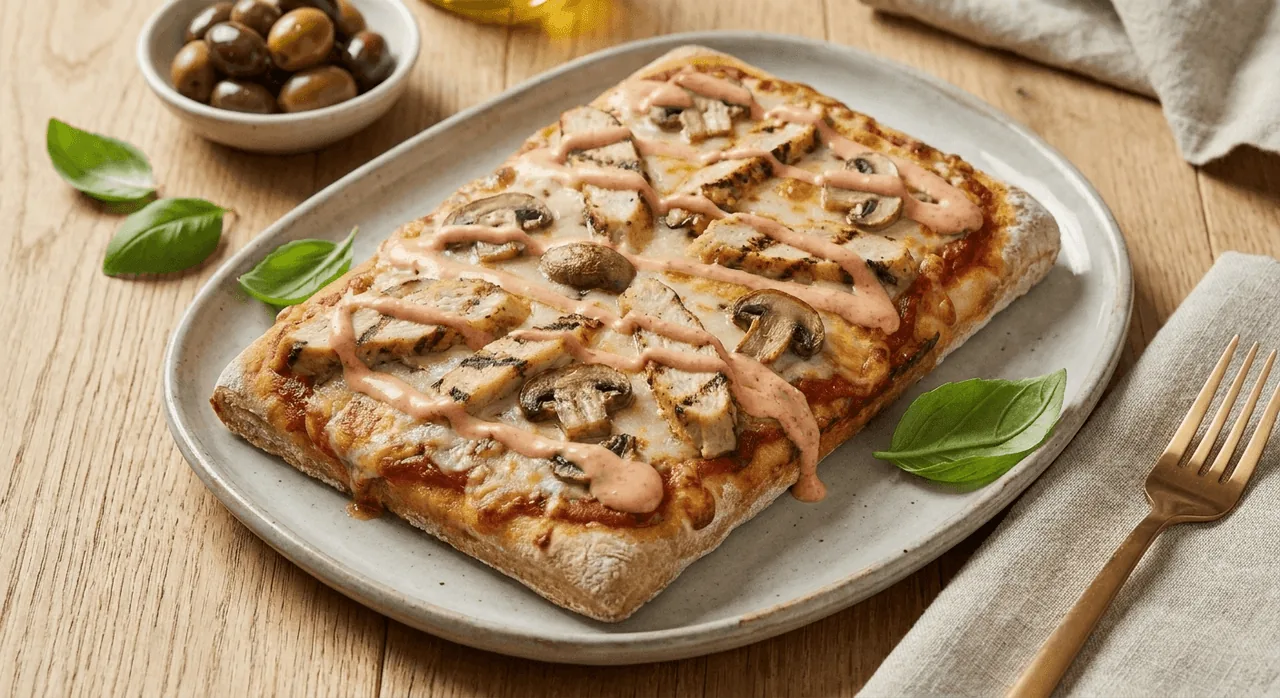
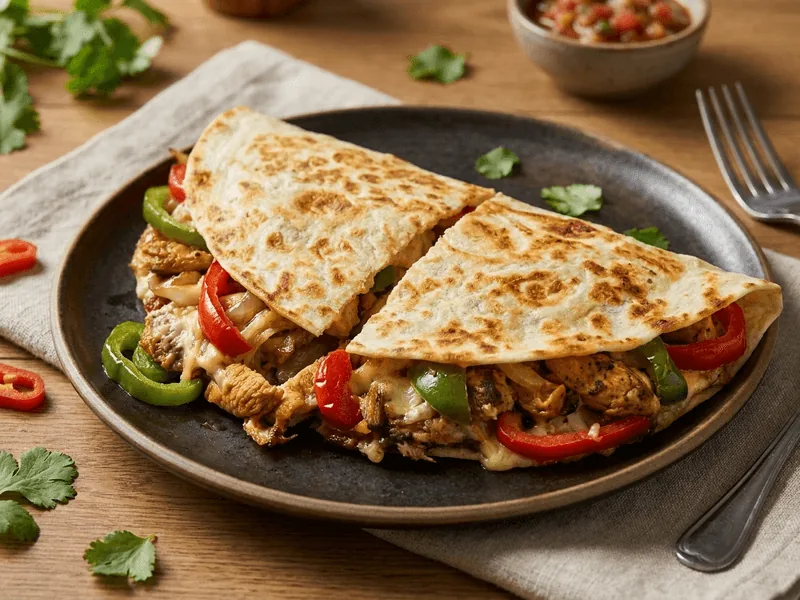
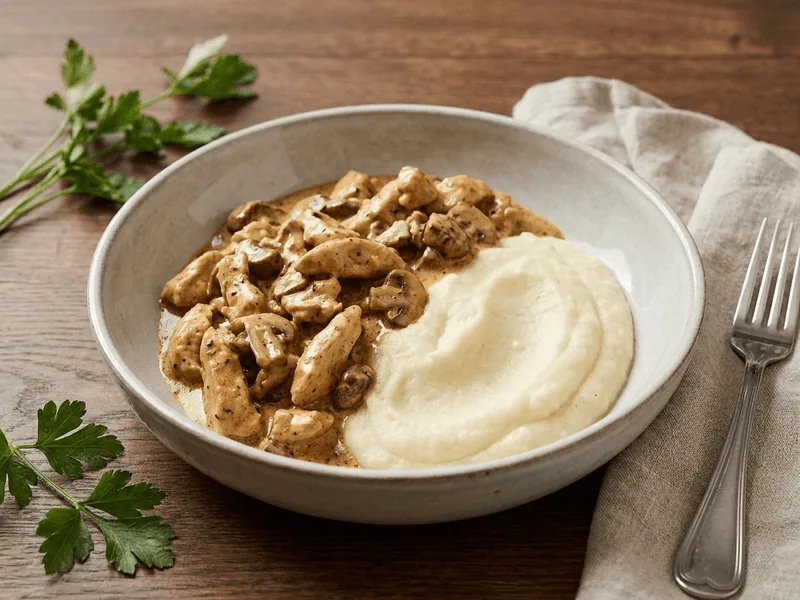
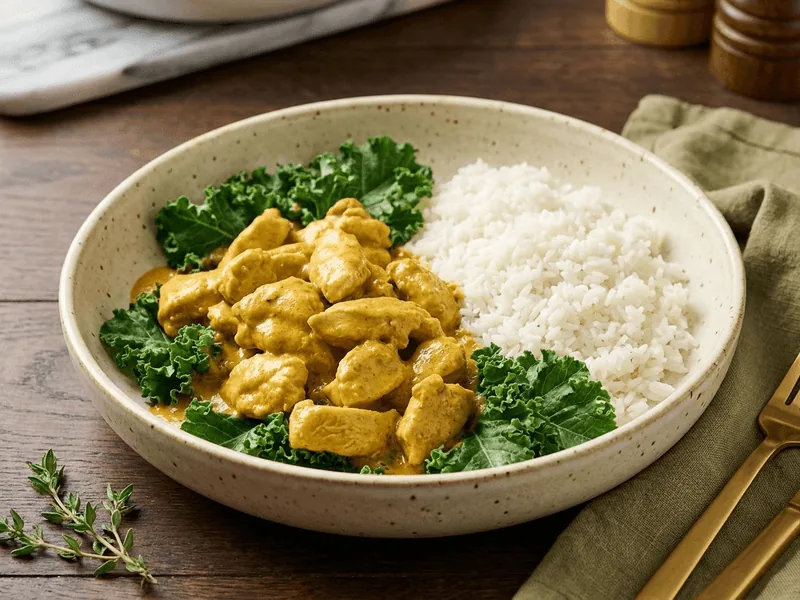
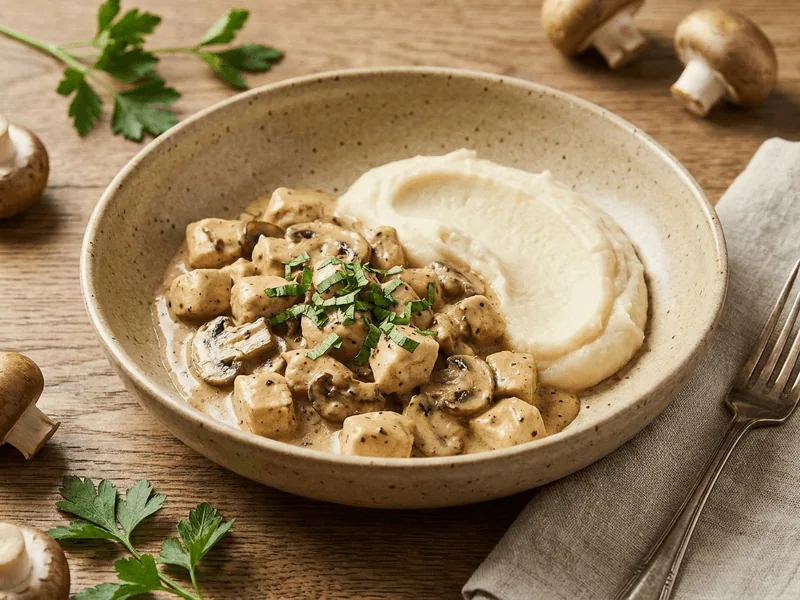
319g of protein across the plan · every macro published before you order.
Seven calorie-controlled, protein-forward meals with every macro published before you order. Built from this week’s live menu and delivered weekly across Sydney, Melbourne and Brisbane — skip any week, swap any meal until cutoff.
- Meals
- 7
- Avg protein
- 46g
- Avg calories
- 444
- The plan
- $90.65
Swap any meal or skip any week before the weekly cutoff · Delivered across Sydney, Melbourne & Brisbane · Food only — not a medicine and not medical advice.
Why protein at breakfast, specifically.
Most Australian breakfasts are low in protein: cereal with milk, toast with spread, a muffin with coffee. Ten to fifteen grams is typical. Controlled trials that swap that for a 30–35 g protein breakfast of the same energy report lower hunger ratings through the morning, lower evening snacking on high-fat and high-sugar foods, and changes in appetite hormones that match those ratings.
The second reason is arithmetic. If your dietitian has set a daily target in the ranges commonly discussed for weight loss, 1.2–1.6 g per kilogram of body weight, a 75 kg adult needs roughly 90–120 g a day. That is hard to fit into lunch and dinner alone, and research on protein distribution suggests spreading it across three or four meals supports muscle maintenance better than loading it into one.
None of this means breakfast is compulsory. If you prefer to eat later, the same ideas work as a late-morning first meal.
Fifteen high protein breakfasts, with protein per serve.
Figures are approximate, calculated from the Australian Food Composition Database and typical product labels, then rounded. Reduced-fat dairy was used where it exists; full-fat versions add roughly 150–250 kJ per serve.
| Breakfast | What is in it | Protein | Energy | Time |
|---|---|---|---|---|
| Greek yoghurt bowl | 200 g reduced-fat Greek yoghurt, 30 g oats, berries, 1 tbsp chia | 24 g | 1,250 kJ (300 kcal) | 3 min |
| Two-egg omelette | 2 eggs, spinach, tomato, 20 g feta; add a slice of wholegrain toast for 4 g more | 18 g | 1,000 kJ (240 kcal) | 8 min |
| Cottage cheese toast | 150 g cottage cheese on 2 slices wholegrain toast, tomato, pepper | 24 g | 1,100 kJ (265 kcal) | 4 min |
| Overnight oats | 40 g oats, 150 g Greek yoghurt, 100 mL skim milk, 1 tbsp chia, berries | 25 g | 1,500 kJ (360 kcal) | Night before |
| Skim milk smoothie | 250 mL skim milk, 100 g Greek yoghurt, banana, frozen berries | 18 g (42 g with a whey scoop) | 1,200 kJ (290 kcal) | 3 min |
| Smoked salmon and eggs | 2 scrambled eggs, 50 g smoked salmon, rocket | 24 g | 1,000 kJ (240 kcal) | 6 min |
| High-protein yoghurt tub | 160 g tub, 2 tbsp muesli, 1 kiwi fruit | 19 g | 1,000 kJ (240 kcal) | 2 min |
| Cottage cheese pancakes | 1 egg, 40 g oats, 100 g cottage cheese blended, cooked as 3 pancakes, berries on top | 25 g | 1,400 kJ (335 kcal) | 12 min |
| Breakfast burrito | 2 eggs, half a cup black beans, salsa, wholegrain wrap | 26 g | 1,800 kJ (430 kcal) | 8 min |
| Tofu scramble | 150 g firm tofu crumbled with turmeric, mushrooms, spinach, 1 slice toast | 22 g | 1,300 kJ (310 kcal) | 10 min |
| Egg and cottage cheese muffins | 6 eggs, 200 g cottage cheese, spinach, capsicum, 40 g parmesan baked in a muffin tray; 2 per serve | 26 g | 1,000 kJ (240 kcal) | Batch, 25 min |
| Beans and a poached egg | Half a 420 g tin of baked beans, 1 poached egg, 1 slice wholegrain toast | 20 g | 1,500 kJ (360 kcal) | 7 min |
| Chia pudding | 2 tbsp chia soaked overnight in 100 mL skim milk, stirred into 150 g Greek yoghurt, berries | 20 g | 1,200 kJ (290 kcal) | Night before |
| Latte and boiled eggs | 250 mL skim-milk latte, 2 boiled eggs | 22 g | 950 kJ (230 kcal) | 2 min with eggs pre-boiled |
| Leftover dinner | 120 g cooked chicken, fish or tofu with vegetables from last night | 30–35 g | Varies | 2 min |
Protein per serve for the raw ingredients, including yoghurts, cottage cheese, eggs, tofu and skim milk, is in our high-protein foods list.
Five-minute versus make-ahead.
Greek yoghurt bowl, cottage cheese toast, high-protein yoghurt tub, skim milk smoothie, latte with pre-boiled eggs, leftover dinner. Keep eggs boiled in the fridge for up to a week, and portion smoothie ingredients into freezer bags on Sunday.
Overnight oats and chia pudding keep three days. Egg and cottage cheese muffins keep four days refrigerated and freeze for a month; reheat two for 40 seconds. A tray of twelve covers six breakfasts.
Omelette, smoked salmon and eggs, tofu scramble, burrito and pancakes. These suit weekends or anyone who already cooks in the morning. Use a non-stick pan and oil spray to keep added fat modest.
A high-protein yoghurt and a piece of fruit travel well. Most cafés can do two poached eggs on one slice of toast with a side of spinach, which lands near 18 g.
Small appetites, savoury mornings and sweet ones.
No appetite early
Start with something small and soft: a 160 g high-protein yoghurt, a latte and one boiled egg, or half a smoothie now and half mid-morning. Protein first, volume second. The protein guide has more on eating well with a reduced appetite.
Prefer savoury
Eggs, cottage cheese on toast, tofu scramble, beans and egg, or last night’s dinner. Savoury breakfasts tend to be lower in added sugar and easier to pair with vegetables, which adds fibre for the same protein.
Prefer sweet
Greek yoghurt, overnight oats, chia pudding, smoothies and cottage cheese pancakes carry the protein; fruit supplies the sweetness. Check flavoured yoghurts for added sugar; plain with fruit usually wins.
Training early
A smoothie with a whey scoop or overnight oats sits well before or after a morning session. Hard training raises protein needs into the 1.2–2.0 g/kg/day range discussed in sports nutrition guidance.
Breakfast is one of three or four meals. For the rest of the day, see our high protein recipes and the free 7-day high protein meal plan, which uses seven of these breakfasts. If mornings are the only meal you cook, the Preptide menu lists protein and energy per meal for lunches and dinners, and the high-protein meal delivery page explains what to check on a label.
How much protein should a weight loss breakfast have?
Trials comparing breakfasts most often test 25 to 35 g of protein against typical 10 to 15 g breakfasts, and find the higher-protein meal reduces hunger and snacking later in the morning. Around 20 to 30 g is a practical target for most adults. Daily needs are individual; a GP or Accredited Practising Dietitian can set them.
What is a high protein breakfast without eggs?
Greek yoghurt with oats and chia, cottage cheese on toast, a skim-milk and yoghurt smoothie, tofu scramble, chia pudding made with yoghurt, or leftover chicken or fish from dinner. Each reaches 20 g or more without an egg.
Is skipping breakfast bad for weight loss?
Not necessarily. Total daily intake matters more than meal timing. Some people do well eating later. The case for a protein-rich breakfast is practical: it is harder to reach a day’s protein target in two meals, and many people snack more when the first meal is small or sugary.
Are protein bars or shakes a good breakfast?
They are a reasonable fallback when the alternative is nothing. Food-based breakfasts bring fibre, chewing and more micronutrients, and tend to keep people fuller for the same kilojoules. If you use a shake, add fruit or oats for fibre. See our comparison of meal replacement shakes and real meals.
What can I eat if I have no appetite in the morning?
Start small and liquid or soft: a 160 g high-protein yoghurt, a skim-milk latte with a boiled egg, or half a smoothie. Protein first, volume second. People whose appetite is reduced by GLP-1 medicines often find the yoghurt, cottage cheese and smoothie options easiest.
Can I prepare these the night before?
Yes. Overnight oats, chia pudding, egg muffins, boiled eggs and smoothie packs all keep in the fridge for two to four days, and the muffins freeze.
Sources used for this guide.
- Leidy et al. 2013: Effects of a higher-protein breakfast on appetite, hormones and evening snacking, AJCN.
- Mamerow et al. 2014: Even protein distribution across meals, J Nutr.
- Paddon-Jones et al. 2008: Protein, weight management and satiety.
- FSANZ Australian Food Composition Database (nutrient calculations).
- Australian Dietary Guidelines (eatforhealth.gov.au).
- NHMRC Nutrient Reference Values: protein.
- Dietitians Australia: find an Accredited Practising Dietitian.
Editorial method: peer-reviewed breakfast and protein-distribution trials were read first; nutrient figures were calculated from Australian composition data and typical labels, then rounded. This page is not an individual clinical review. See the Preptide editorial policy for corrections and review standards.
Important: General food information only, not medical or dietetic advice. Protein and energy needs are individual; ask your GP or an Accredited Practising Dietitian to set targets. Preptide is food, not medication, and does not prescribe, sell or recommend prescription medicines. Delivery is shown at checkout before you pay. Read our editorial policy and Health Acknowledgement.