
High protein recipes for weight loss (Australia)
Ten original recipes with four to eight ingredients from any Australian supermarket, three to five steps, and approximate protein and energy per serve. Each one carries 25–48 g of protein, most take under 30 minutes, and four of them freeze. Metric throughout.
A high protein recipe for weight loss does three things: it puts 25–40 g of protein on the plate from a lean source, it uses vegetables or legumes for volume and fibre, and it keeps added fat and refined carbohydrate modest so the meal is filling for its kilojoules. Every recipe below follows that pattern. Protein needs are individual; ask a GP or Accredited Practising Dietitian to set your daily target.
The High-Protein Meal Plan · updated 5 October 2026
A 7-day high-protein meal plan that arrives cooked.
The 7 meals in this plan
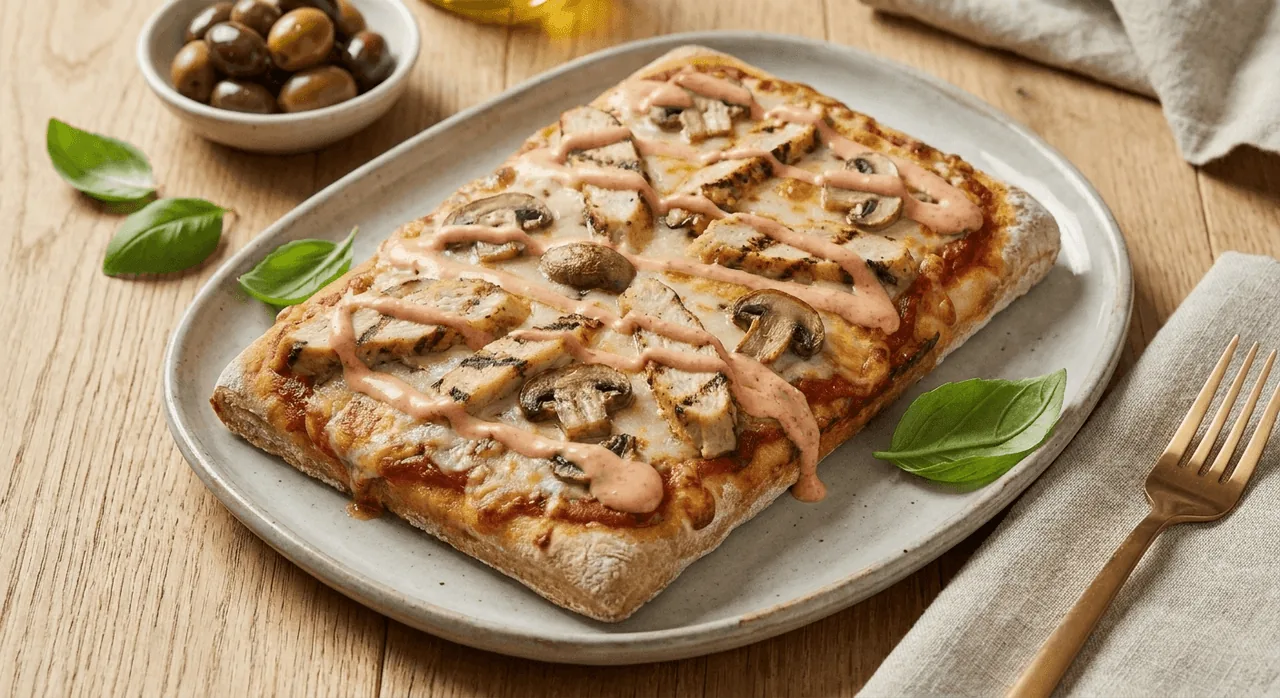
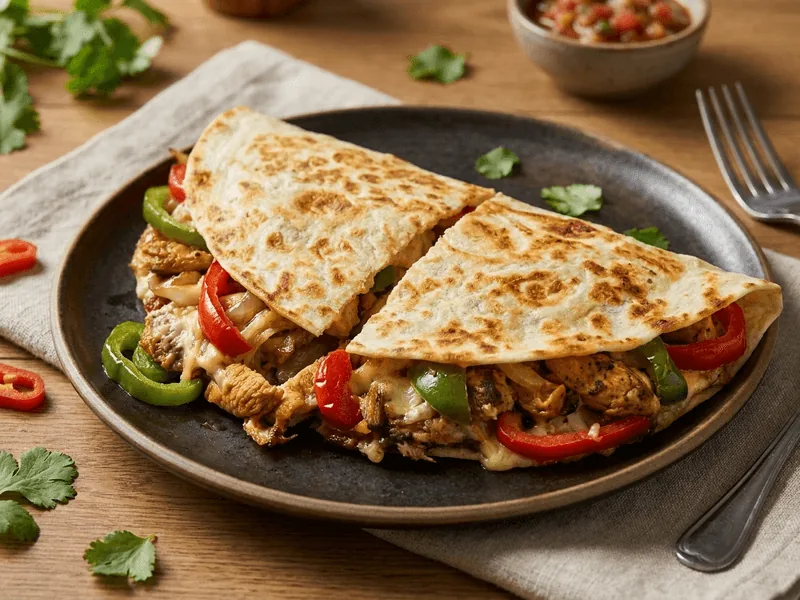
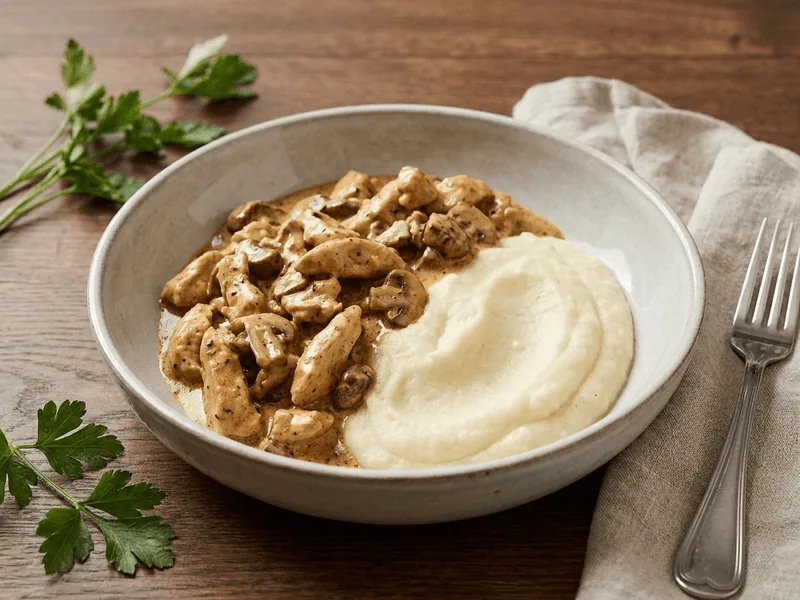
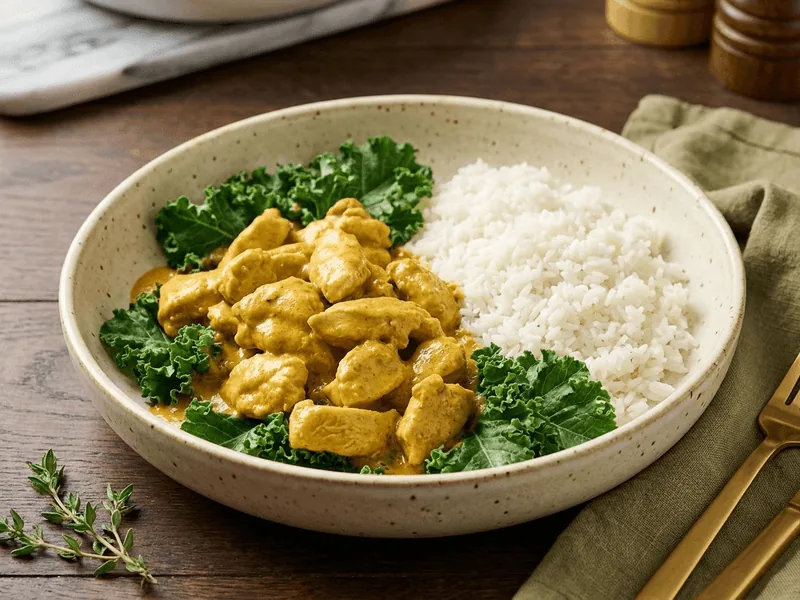
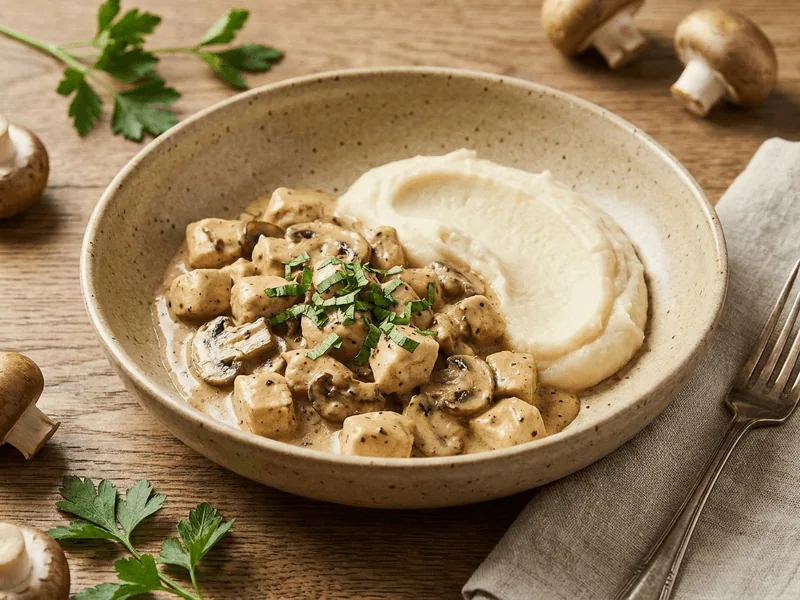
319g of protein across the plan · every macro published before you order.
Seven calorie-controlled, protein-forward meals with every macro published before you order. Built from this week’s live menu and delivered weekly across Sydney, Melbourne and Brisbane — skip any week, swap any meal until cutoff.
- Meals
- 7
- Avg protein
- 46g
- Avg calories
- 444
- The plan
- $90.65
Swap any meal or skip any week before the weekly cutoff · Delivered across Sydney, Melbourne & Brisbane · Food only — not a medicine and not medical advice.
How the recipes are built.
Protein is the most filling macronutrient per kilojoule in controlled studies, and spreading it across the day in meals of roughly 25–40 g is the pattern most often studied for muscle maintenance while eating less. So every recipe starts with 120–150 g of a lean protein food per serve: chicken, lean mince, fish, prawns, kangaroo, tofu, eggs or legumes.
Vegetables do the volume work. Tinned tomatoes, zucchini, capsicum, pumpkin, spinach and frozen stir-fry mix are cheap and add fibre without many kilojoules. Carbohydrate is served alongside in half-cup to one-cup portions so you can scale it to your appetite. Figures were calculated from the Australian Food Composition Database and typical labels, divided by serves and rounded; treat them as estimates. Protein per serve for the raw ingredients is in our high-protein foods list.
Six weeknight dinners.
Chicken, chickpea and tzatziki bowl
- 300 g chicken breast
- 400 g tin chickpeas, drained
- 200 g plain Greek yoghurt
- 1 cucumber, grated and squeezed
- 1 lemon
- 2 cups baby spinach
- 1 tsp dried oregano
- Slice chicken, toss with oregano, lemon zest and pepper. Pan-fry 4 minutes a side.
- Mix yoghurt, cucumber, lemon juice and a pinch of salt.
- Warm chickpeas in the same pan.
- Build bowls: spinach, chickpeas, chicken, tzatziki.
Lean beef and black bean chilli
- 500 g lean beef mince
- 1 onion, diced
- 1 red capsicum, diced
- 400 g tin black beans, drained
- 400 g tin tomatoes
- 2 tsp smoked paprika, 1 tsp cumin
- Brown mince in a dry non-stick pan, breaking it up.
- Add onion, capsicum and spices; cook 3 minutes.
- Add tomatoes and beans; simmer 15 minutes.
- Serve with half a cup of rice or a baked potato. Freeze spare serves.
Baked salmon with potato and green beans
- 2 × 150 g salmon fillets
- 400 g baby potatoes, halved
- 200 g green beans
- 1 lemon
- 1 tbsp olive oil
- Dill or parsley
- Toss potatoes in oil; roast at 200°C for 20 minutes.
- Add salmon and beans to the tray with lemon slices.
- Roast 12 minutes more. Finish with herbs and lemon juice.
Tofu and edamame stir-fry
- 300 g firm tofu, cubed
- 150 g frozen shelled edamame
- 300 g frozen stir-fry vegetables
- 2 tbsp soy sauce
- 1 tsp sesame oil
- 2 tsp cornflour
- Garlic and ginger, grated
- Pat tofu dry, toss in cornflour, fry in sesame oil until crisp. Set aside.
- Stir-fry vegetables, edamame, garlic and ginger 4 minutes.
- Return tofu, add soy and a splash of water. Toss and serve.
Kangaroo steak with sweet potato mash and broccoli
- 2 × 150 g kangaroo fillets
- 400 g sweet potato, peeled and chopped
- 1 head broccoli
- 1 tbsp olive oil
- 1 clove garlic
- Cracked pepper
- Boil sweet potato 12 minutes; mash with garlic and half the oil.
- Steam broccoli 4 minutes.
- Rub kangaroo with remaining oil and pepper; sear 2–3 minutes a side for medium-rare. Rest 5 minutes, slice.
Greek yoghurt chicken curry
- 600 g chicken breast or trimmed thigh, diced
- 1 onion, diced
- 2 tbsp tikka or korma curry paste
- 400 g tin tomatoes
- 200 g plain Greek yoghurt
- 200 g frozen peas or green beans
- Coriander
- Fry onion and paste 2 minutes. Add chicken; stir 3 minutes.
- Add tomatoes; simmer 15 minutes.
- Add peas; cook 3 minutes. Off the heat, stir in yoghurt and coriander.
Four lunches and make-aheads.
Tuna and white bean salad
- 95 g tin tuna in springwater, drained
- 120 g tinned cannellini beans, drained
- Handful rocket
- 6 cherry tomatoes, halved
- 1 tsp olive oil, juice of half a lemon
- Parsley
- Rinse beans. Combine everything in a bowl.
- Season with pepper. Eat immediately or pack for work.
Prawn, zucchini and chickpea pan
- 300 g raw peeled prawns
- 400 g tin chickpeas, drained
- 2 zucchini, sliced
- 2 cloves garlic
- 1 lemon
- 1 tbsp olive oil, chilli flakes
- Fry zucchini in oil 4 minutes until golden.
- Add garlic, chilli and chickpeas; cook 2 minutes.
- Add prawns; cook until pink, about 3 minutes. Finish with lemon.
Red lentil and pumpkin soup
- 200 g dried red lentils, rinsed
- 600 g pumpkin, chopped
- 1 onion, diced
- 2 tsp curry powder
- 1 L reduced-salt stock
- Greek yoghurt to serve
- Soften onion with curry powder 3 minutes.
- Add lentils, pumpkin and stock; simmer 20 minutes.
- Blend. Top with 2 tbsp yoghurt. Pair with an egg or 100 g cottage cheese to lift protein to about 25 g.
Turkey and zucchini meatballs in tomato sauce
- 500 g turkey mince
- 1 zucchini, grated and squeezed
- 1 egg
- 40 g rolled oats
- 500 g passata
- 1 clove garlic, 1 tsp dried oregano
- Mix mince, zucchini, egg, oats and oregano. Roll into 16 balls.
- Brown in a non-stick pan 5 minutes.
- Add garlic and passata; simmer 12 minutes. Serve with wholegrain pasta or zucchini noodles.
Need breakfast too? The high protein breakfast ideas page has fifteen, including cottage cheese and egg muffins that make a lunch in a pinch. To slot these recipes into a week, use the free 7-day high protein meal plan.
Cook once, eat three times.
The chilli, curry, soup and meatballs are written for four serves because they reheat well and cost little more to double. Cool them within two hours, refrigerate for up to three days or freeze flat in labelled bags for up to three months. Thaw in the fridge overnight and reheat until steaming.
Keep protein separate
Cooked chicken, tofu and meatballs stored apart from sauces and grains stay firmer and can be recombined as bowls, wraps or salads.
Scale the carbohydrate
Rice, potato and pasta are served alongside rather than cooked into the dish so each person can take the portion that suits their appetite and activity.
When you cannot cook
Ready meals with a visible nutrition panel fill gaps. The high-protein meal delivery page explains what to check, and the Preptide menu lists protein and energy per meal.
Portion size is the variable that matters most for weight management, and it is the one these recipes leave to you. If you would like help setting serve sizes, the portion guide gives a plate method, and an Accredited Practising Dietitian can tailor it. People with kidney or liver disease, diabetes managed with medication, or a history of disordered eating should get individual advice before changing protein or energy intake.
How much protein should a weight loss meal have?
Studies on appetite and muscle maintenance most often use 25 to 40 g of protein per meal, spread over three or four eating occasions. Each recipe here lands in that range. Daily needs are individual; a GP or Accredited Practising Dietitian can set them.
How were the protein and kilojoule figures calculated?
By adding the ingredients using the Australian Food Composition Database and typical product labels, then dividing by the number of serves and rounding. Treat them as estimates; your brands, cuts and portion sizes will shift the numbers.
Can I make these recipes vegetarian?
Most of them. Replace chicken, beef, prawns or fish with firm tofu, tempeh or an extra tin of legumes, and add an egg or Greek yoghurt where protein drops. The tofu stir-fry and lentil soup are already meat-free.
Do I need to weigh ingredients?
Not forever. Weighing the protein food for the first week or two shows you what 120 to 150 g looks like on your plate. After that, most people can eyeball it. Vegetables do not need weighing.
Which recipes freeze well?
The beef and black bean chilli, red lentil and pumpkin soup, yoghurt chicken curry and turkey meatballs all freeze for up to three months. Cooked fish, prawns and the salads are best eaten within two days.
Are these recipes suitable if my appetite is small?
Yes, with smaller serves. Eat the protein part first and halve the rice, potato or pasta. The soup, yoghurt curry and flaked fish are the gentlest options for people whose appetite is reduced, including by GLP-1 medicines.
Sources used for these recipes.
- FSANZ Australian Food Composition Database (nutrient calculations).
- Australian Dietary Guidelines (eatforhealth.gov.au).
- NHMRC Nutrient Reference Values: protein.
- Leidy et al. 2015: The role of protein in weight loss and maintenance, AJCN.
- Mamerow et al. 2014: Even protein distribution across meals, J Nutr.
- Paddon-Jones et al. 2008: Protein, weight management and satiety.
- Dietitians Australia: find an Accredited Practising Dietitian.
Editorial method: recipes are original; nutrient figures were calculated from Australian composition data and typical labels, then rounded. This page is not an individual clinical review. See the Preptide editorial policy for corrections and review standards.
Important: General food information only, not medical or dietetic advice. Protein and energy needs are individual; ask your GP or an Accredited Practising Dietitian to set targets. Check ingredients for allergens. Preptide is food, not medication, and does not prescribe, sell or recommend prescription medicines. Delivery is shown at checkout before you pay. Read our editorial policy and Health Acknowledgement.