
Meal replacement shakes vs real meals for weight loss in Australia
Shakes fix your kilojoules in a sachet; meals ask you to manage them on a plate. Both have trial evidence and both have failure modes. This guide compares them on fullness, protein per kilojoule, fibre, chewing, cost per serve and sustainability, then sets out when each makes sense. Preptide makes meals; the shake column is written as fairly as we can.
Shakes win on simplicity and fixed energy; meals win on fullness per kilojoule, fibre, chewing and the eating habits that have to outlast the diet. In trials, structured shake programs produce larger average weight changes over a year than comparable food-based programs, but the gap narrows once people return to food, and total shake programs run under medical supervision for a reason. A common middle path is one shake or portion-controlled ready meal a day inside a week of ordinary food. Energy and protein needs are individual; a GP or dietitian should set them.
The High-Protein Meal Plan · updated 5 October 2026
A 7-day high-protein meal plan that arrives cooked.
The 7 meals in this plan
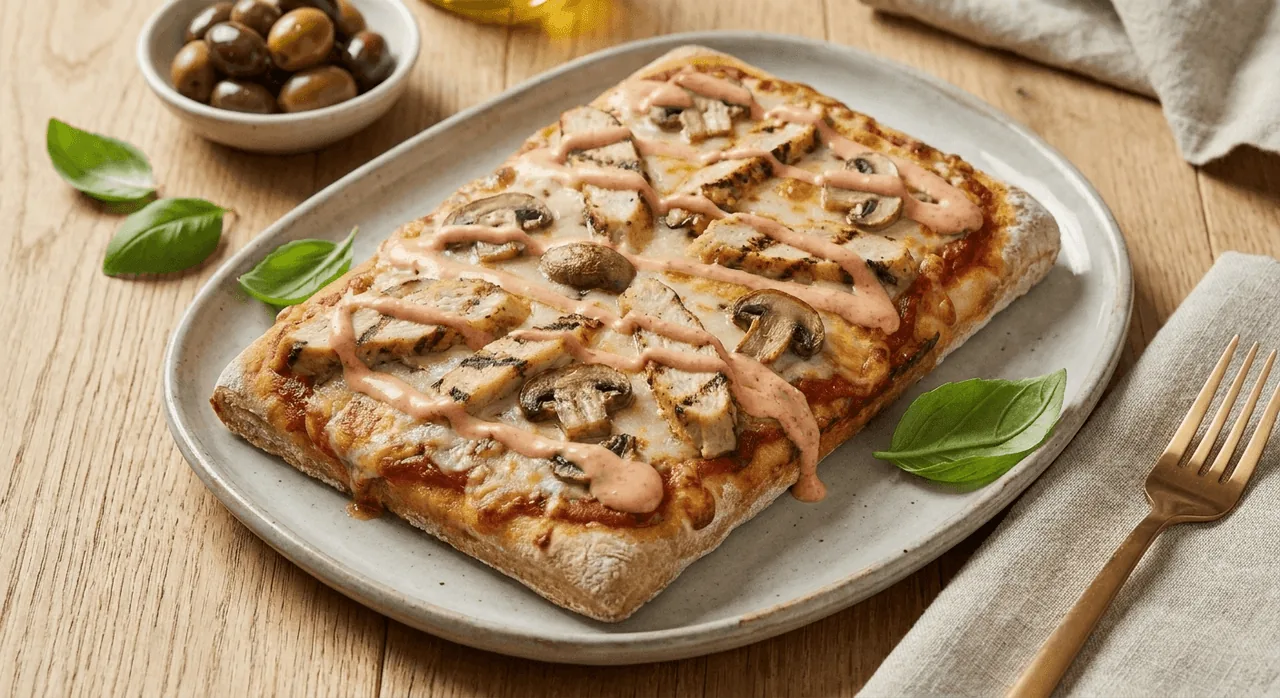
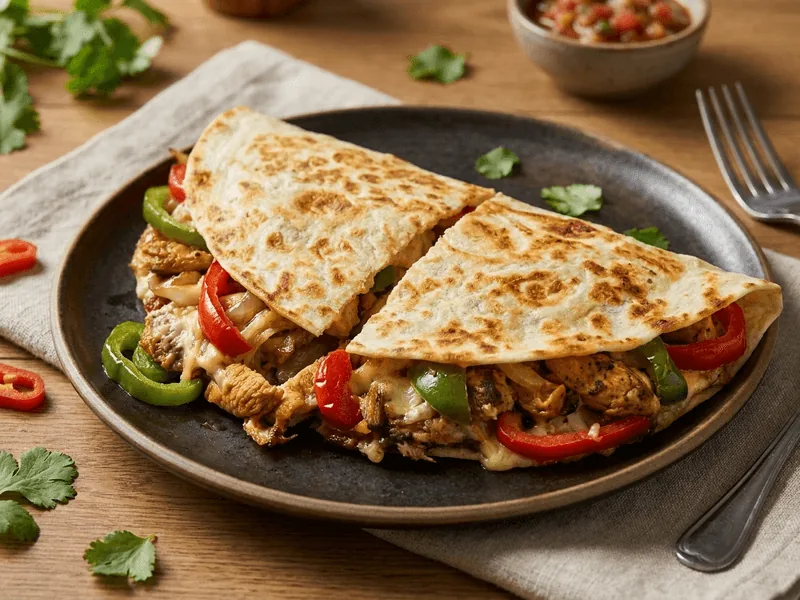
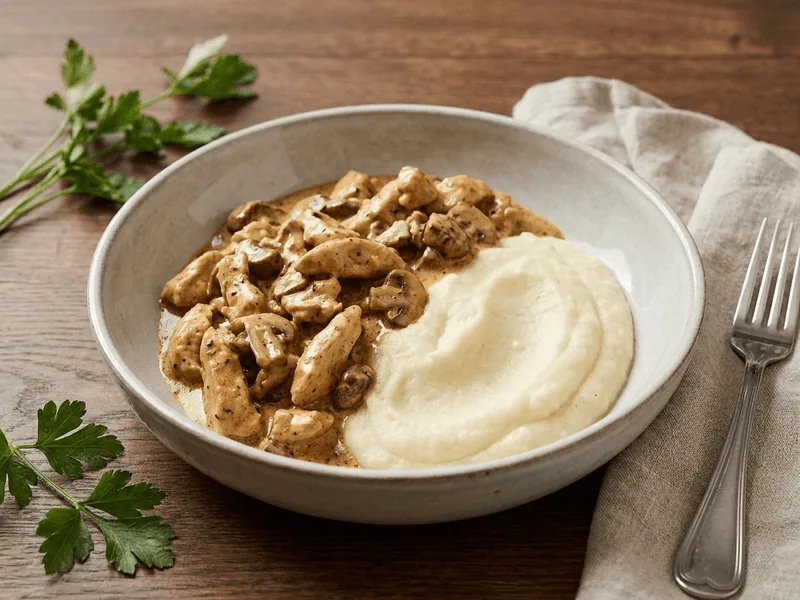
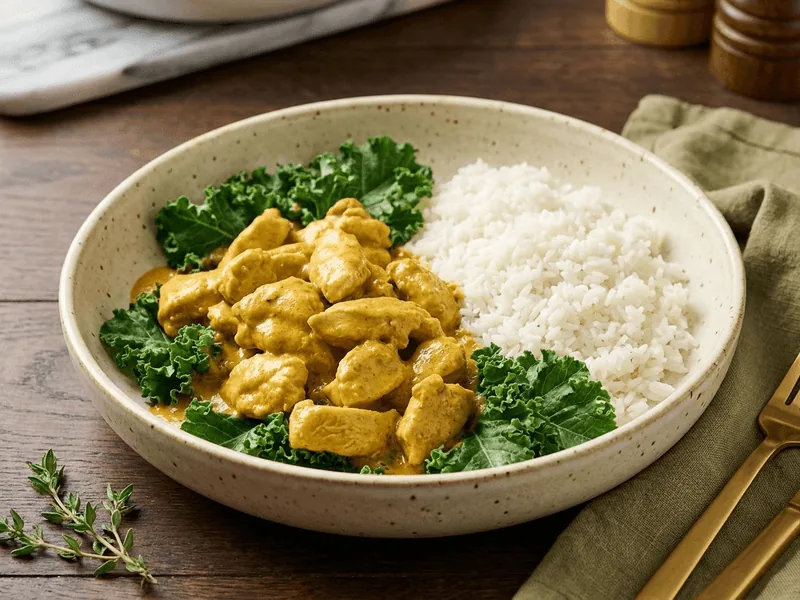
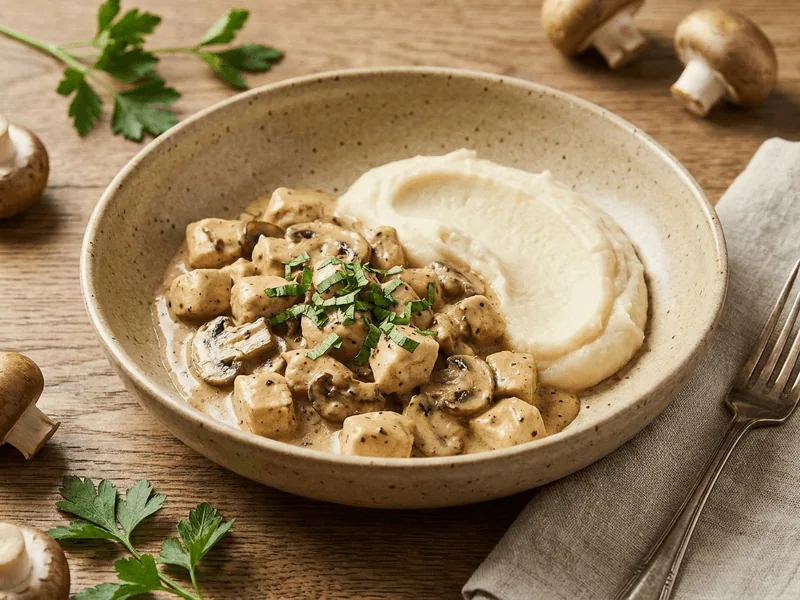
319g of protein across the plan · every macro published before you order.
Seven calorie-controlled, protein-forward meals with every macro published before you order. Built from this week’s live menu and delivered weekly across Sydney, Melbourne and Brisbane — skip any week, swap any meal until cutoff.
- Meals
- 7
- Avg protein
- 46g
- Avg calories
- 444
- The plan
- $90.65
Swap any meal or skip any week before the weekly cutoff · Delivered across Sydney, Melbourne & Brisbane · Food only — not a medicine and not medical advice.
What counts as a meal replacement shake in Australia.
In Australia, a product labelled a formulated meal replacement has to meet Standard 2.9.3 of the Food Standards Code. Each serve must supply a minimum amount of energy and protein and a set list of vitamins and minerals at a meaningful share of the recommended intake. That is why these products can legally be called a meal replacement, and why a protein shake, which has no such requirements, cannot.
Two patterns of use are worth separating. Partial meal replacement swaps one or two meals a day for a shake and keeps the rest as food. Total diet replacement swaps all meals for formulated products, typically around 3,300–3,500 kJ (800–850 kcal) a day for 8–20 weeks, under clinical oversight with a planned food reintroduction. Most supermarket shakes are bought for the first pattern.
Whole meals here means ordinary food in a portion-controlled serve, cooked at home from recipes like our high protein recipes or bought ready-made with a nutrition panel.
Shakes and whole meals, compared.
Typical figures for a formulated shake made up with water and for a portion-controlled high-protein meal of roughly 1,700–2,100 kJ (400–500 kcal). Products vary; check the pack.
| Factor | Meal replacement shake | Whole meal |
|---|---|---|
| Energy per serve | Fixed, usually 850–1,000 kJ (200–240 kcal) | Depends on portion; ready meals fix it, home cooking does not |
| Protein per serve | Typically 15–25 g | 25–45 g in a high-protein meal |
| Protein per 1,000 kJ | High, often 18–28 g | Varies: 15–25 g for lean-protein meals |
| Fibre | Low to moderate, 2–6 g, usually added | 6–12 g from vegetables, legumes and whole grains |
| Chewing and eating time | None; finished in a minute or two | 10–20 minutes of chewing |
| Fullness per kilojoule | Lower; liquids empty faster | Higher; solid food, fibre and volume |
| Micronutrients | Fortified to a legal minimum | From food; variety needed across the week |
| Decisions required | Almost none | Some, unless portion-controlled |
| Social eating | Awkward | Normal |
| Skills built for afterwards | Few | Portioning, cooking, reading labels |
| Indicative cost per serve | Roughly $2.50–$6 depending on brand and channel | Roughly $4–$8 home-cooked; ready-made meals vary by provider |
What the trials show.
A 2019 systematic review in Obesity Reviews pooled trials of diets with and without meal replacements. At one year the meal-replacement groups showed larger average weight change, most clearly where structured behavioural support was added. The authors note the comparison diets were often less structured, which favours the shakes.
The DiRECT trial in UK general practice used about 3,500 kJ a day of formulated products for 12–20 weeks, then a stepped return to food with ongoing support. A substantial share of participants with type 2 diabetes reached remission at one year, some maintaining it at two. Every participant was supervised by a trained nurse or dietitian.
Across both patterns, weight tends to return as people move back to self-selected food, more so where support stops. Programs that taught portioning during the shake phase held results better.
Higher-protein, higher-fibre food plans produce smaller average changes at a year in head-to-head trials but build the habits used afterwards. Energy-restricted higher-protein diets also preserve lean mass and appetite control better than standard-protein diets of the same energy.
Averages describe groups, not you; individual results ranged widely.
Why liquids feel less filling.
Feeding studies that give people the same kilojoules as a drink or as solid food find the drink produces weaker fullness and less compensation at the next meal. Three mechanisms are well described. Liquids leave the stomach faster, so stretch signals fade sooner. Chewing contributes to fullness; a review of mastication studies found more chewing reduced intake at the same meal. And fibre, which most shakes lack, slows digestion and adds bulk.
Protein offsets some of this. It is the most filling macronutrient per kilojoule, and shakes are protein-dense, so a good formulated shake is more filling than a juice of the same energy. But a 2,000 kJ meal with 35 g of protein, 10 g of fibre and fifteen minutes of chewing does several things at once that a 900 kJ shake cannot.
Make a shake more filling
Choose 20 g or more protein and 5 g or more fibre per serve, drink it slowly, and add a piece of fruit.
Make a meal more filling
Lead with 25–40 g of protein, fill half the plate with vegetables, keep the carbohydrate modest and eat without a screen.
Fibre target
The Australian adequate intake is 25 g a day for women and 30 g for men. Most adults fall short; shakes make it harder.
Cost per serve, honestly.
Supermarket meal replacement shakes sit at roughly $2.50–$4 a serve; pharmacy and clinic programme shakes closer to $4–$6. A home-cooked high-protein meal costs roughly $4–$8 a serve depending on the protein. Ready-made delivered meals cost more than either, because someone else did the cooking and portioning; current prices are on the Preptide menu and delivery is shown at checkout before you pay.
Per kilojoule, shakes are cheap. Per meal that keeps you full for four hours, the gap narrows. Ranges are indicative only.
Which one can you still be doing in a year?
The approach that works is the one you are still following when the novelty wears off. Shakes are easy to start and easy to stop, and most people stop within months. Meals are harder to start but are what you will eat for the rest of your life anyway. A plan that ends in unplanned eating tends to end at the previous weight; the useful question is what the shake phase teaches you for the food phase.
When shakes make sense, and when whole meals do.
Shakes make sense when
A GP or dietitian has prescribed a short, supervised programme, for example before surgery or for type 2 diabetes. You would otherwise skip the meal. You need a fixed-energy option for one meal a day while you learn to portion the others. Chewing is difficult, or a drink is the only thing you can face.
Whole meals make sense when
You want fullness and fibre for your kilojoules. You eat with other people. You are building habits for the long run rather than a short reset. You are coming off a shake phase and need a bridge back to food. You want protein without a sweet, milky drink three times a day.
For people with a reduced appetite, including people whose appetite is reduced by GLP-1 medicines, the usual advice is to keep eating real food in smaller, protein-forward serves rather than defaulting to liquids. Our protein guide and portion guide cover that approach. Portion-controlled ready meals sit between the columns: fixed energy like a shake, with the fibre, chewing and variety of a meal. The high-protein meal delivery page explains what to check on a label.
To build the food side yourself, start with the free 7-day high protein meal plan, the high-protein foods list and our high protein breakfast ideas.
Do meal replacement shakes work for weight loss?
In trials, programs that use shakes for one or more meals a day tend to produce larger average weight changes over a year than comparable food-based programs, mainly because energy intake is fixed and easy to follow. The effect depends on structured support and a planned return to food. Results vary widely.
Are shakes healthier than real food?
No. Formulated meal replacements sold in Australia must meet minimum energy, protein, vitamin and mineral levels, so they are complete on paper. Whole meals bring more fibre, food variety, chewing and the eating skills needed to keep weight off. Each has a job.
Can I replace all my meals with shakes?
Total diet replacement is a medical approach, used in trials and clinics for 8 to 20 weeks under supervision, with a structured food reintroduction. It is not recommended as a do-it-yourself plan. Talk to your GP before replacing more than one meal a day.
What should I look for in a meal replacement shake?
The words formulated meal replacement on the pack, at least 15 to 20 g of protein per serve, some fibre, moderate added sugar, and a price per serve you can sustain. A protein shake is not the same product and is not designed to replace a meal.
Why do I feel hungrier after a shake than after a meal?
Liquids leave the stomach faster, involve no chewing and usually carry less fibre, so the fullness signals are weaker and shorter for the same kilojoules. Drinking slowly, choosing a higher-protein and higher-fibre shake, and adding a piece of fruit all help.
Are ready-made meals a middle ground?
They can be. A portion-controlled ready meal fixes the energy the way a shake does but keeps the chewing, fibre and variety of a real meal. Check the panel for protein, fibre and sodium, and treat it as one meal in a day of ordinary food.
Sources used for this comparison.
- Astbury et al. 2019: Systematic review and meta-analysis of meal replacements for weight loss, Obesity Reviews.
- Lean et al. 2018: DiRECT trial of primary-care weight management for type 2 diabetes remission, The Lancet.
- Hollis 2018: The effect of mastication on food intake, satiety and body weight.
- Mourão et al. 2007: Effects of food form on appetite and energy intake.
- Paddon-Jones et al. 2008: Protein, weight management and satiety.
- FSANZ Food Standards Code (Standard 2.9.3, formulated meal replacements).
- NHMRC Nutrient Reference Values: dietary fibre.
- Dietitians Australia: find an Accredited Practising Dietitian.
Editorial method: systematic reviews and large trials were read first, with Australian regulatory and nutrient reference sources for definitions and targets. Cost ranges are indicative retail prices at the time of writing. Preptide sells meals and has a commercial interest here; we have tried to state the case for shakes fairly. This page is not an individual clinical review. See the Preptide editorial policy for corrections and review standards.
Important: General food information only, not medical or dietetic advice. Do not start a total diet replacement without medical supervision. Energy and protein needs are individual; ask your GP or an Accredited Practising Dietitian to set targets. Preptide is food, not medication, and does not prescribe, sell or recommend prescription medicines. Delivery is shown at checkout before you pay. Read our editorial policy and Health Acknowledgement.