
Your appetite got smaller. Your plate should too.
On a GLP-1 medication, the old serving sizes stop making sense: half the plate goes in the bin, big meals sit uncomfortably, and "finish your dinner" becomes a chore. This guide covers practical portion sizing for medication-reduced appetites — how much, what first, and how to stop wasting food. General guidance only; your clinician sets your targets.
Last updated: 15 August 2026
Food for your plan — not medicine. No prescription required. Not affiliated with any medication maker, and not medical advice.
High-protein ready meals, portioned for a smaller appetite. Cooked in our Australian kitchen and delivered chilled each week across Sydney, Melbourne and Brisbane.
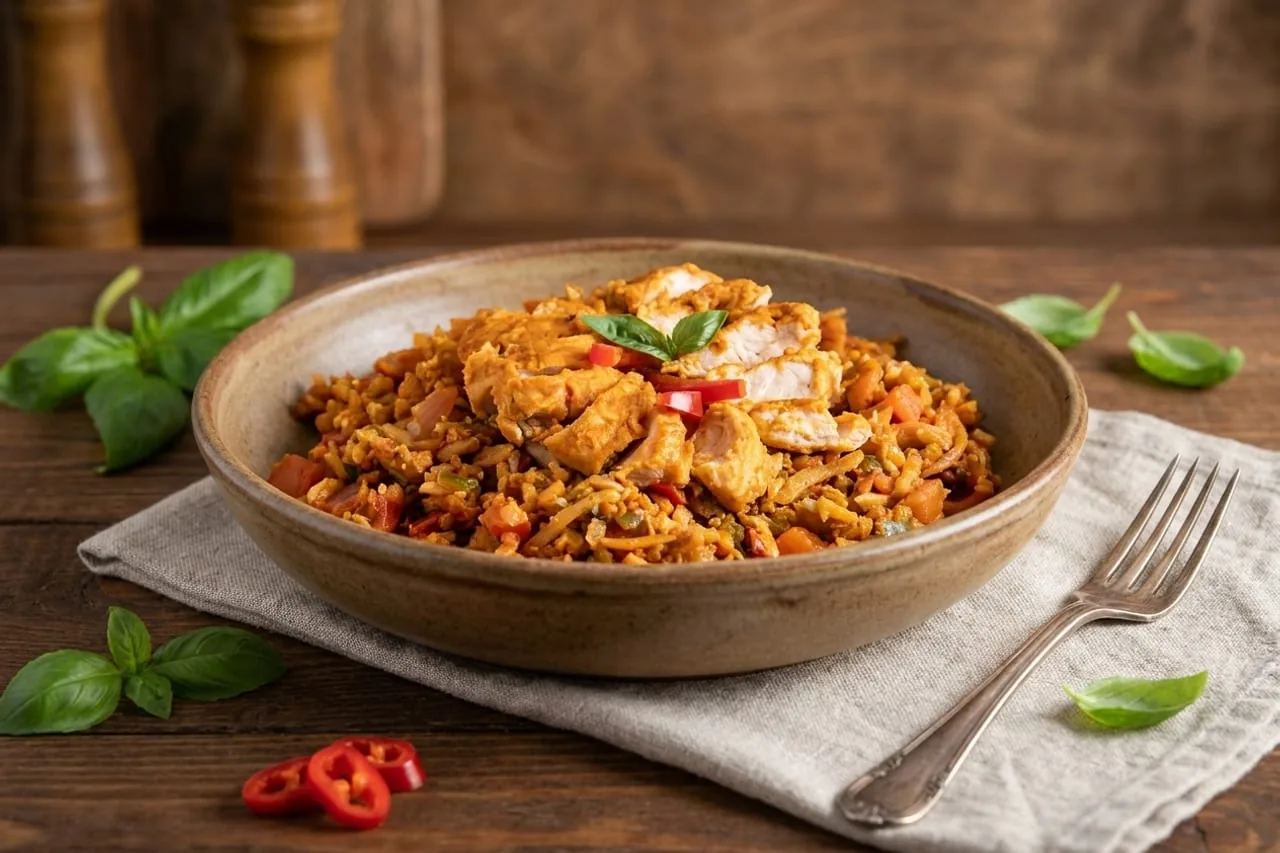 Peri Peri & Spanish Rice328 cal · 29g protein
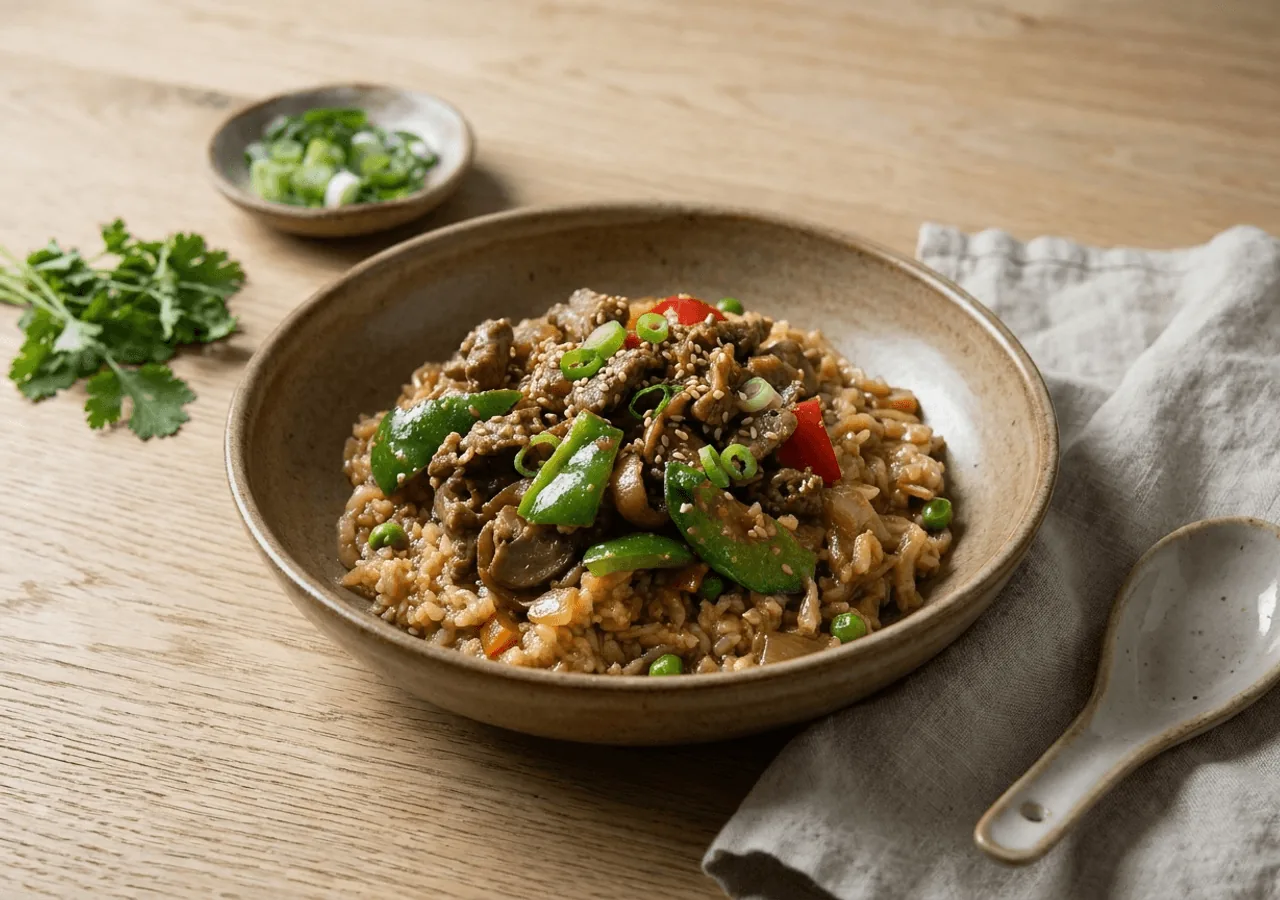 Mongolian Beef (Cauli Rice)287 cal · 26g protein
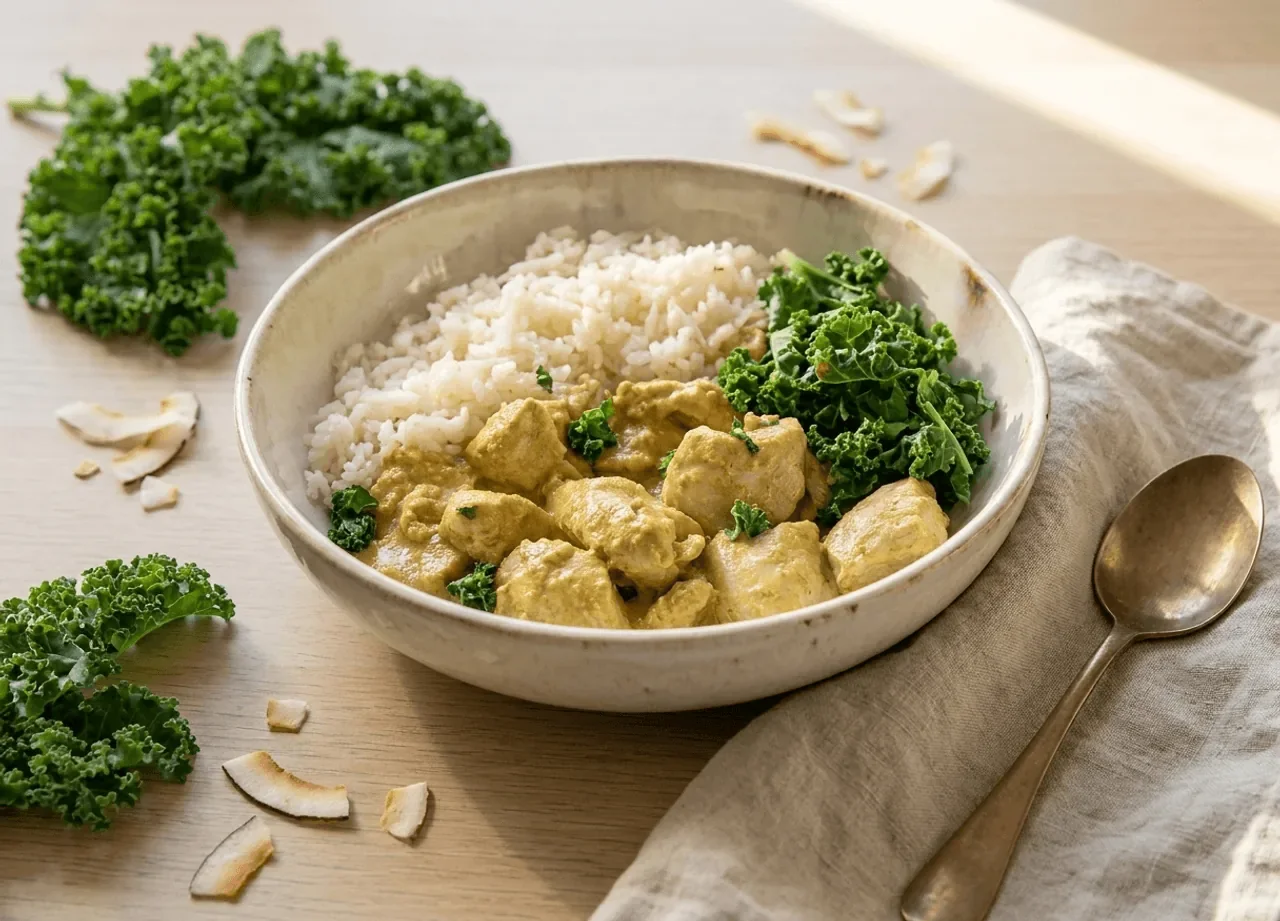 Coconut Butter Chicken (Cauli Rice)328 cal · 27g protein
7 meals from $90.65 ($12.95 each) free delivery · 14+ meals $12.30 each · 21+ meals $11.65 each
- Skip, pause or cancel
- Min 7 meals
- SYD · MEL · BNE
- Food, not medicine
The Right-Portion GLP-1 Plan · updated 26 August 2026
GLP-1 portion sizes, decided for you.
The 7 meals in this plan
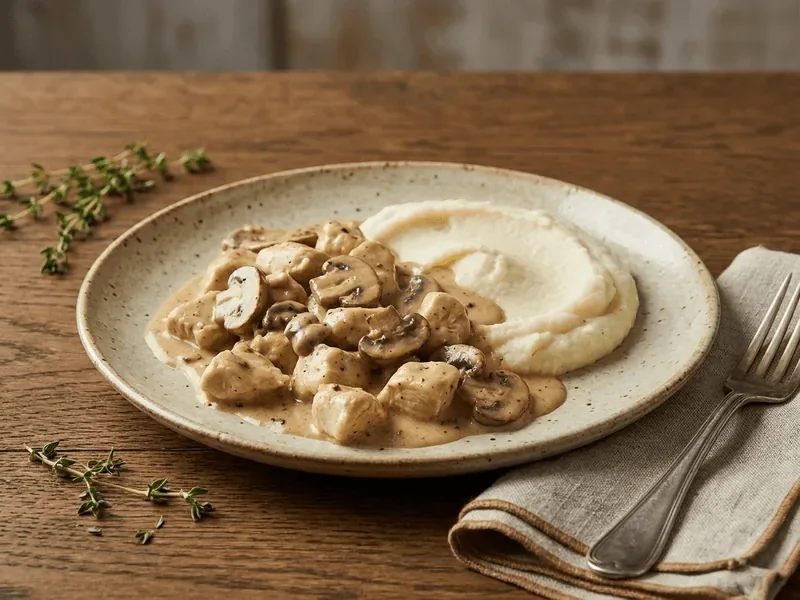
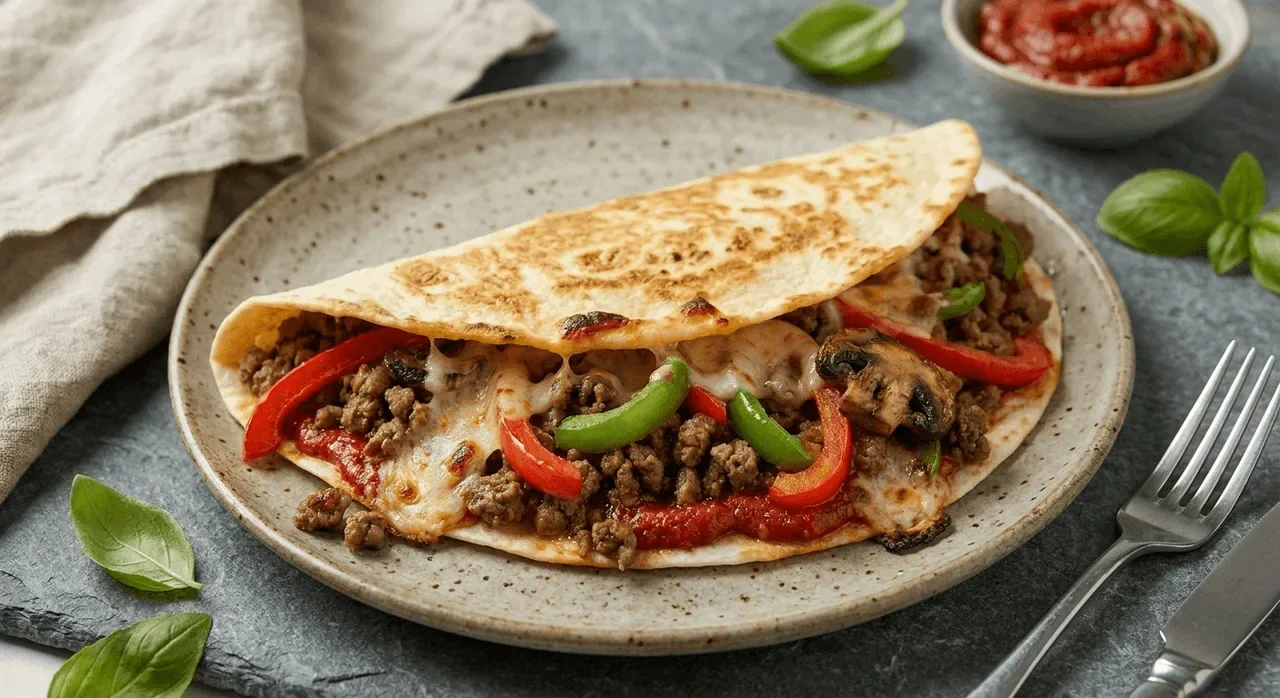
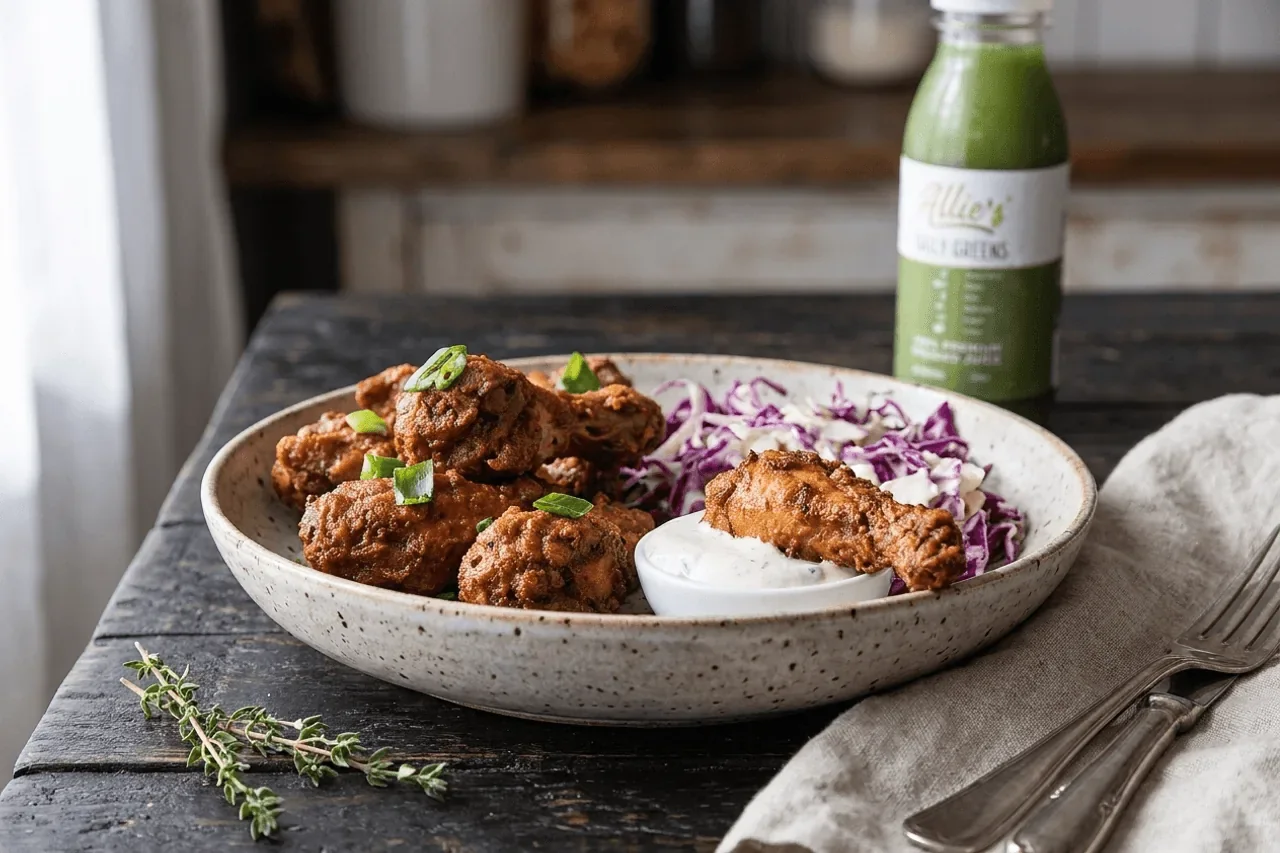
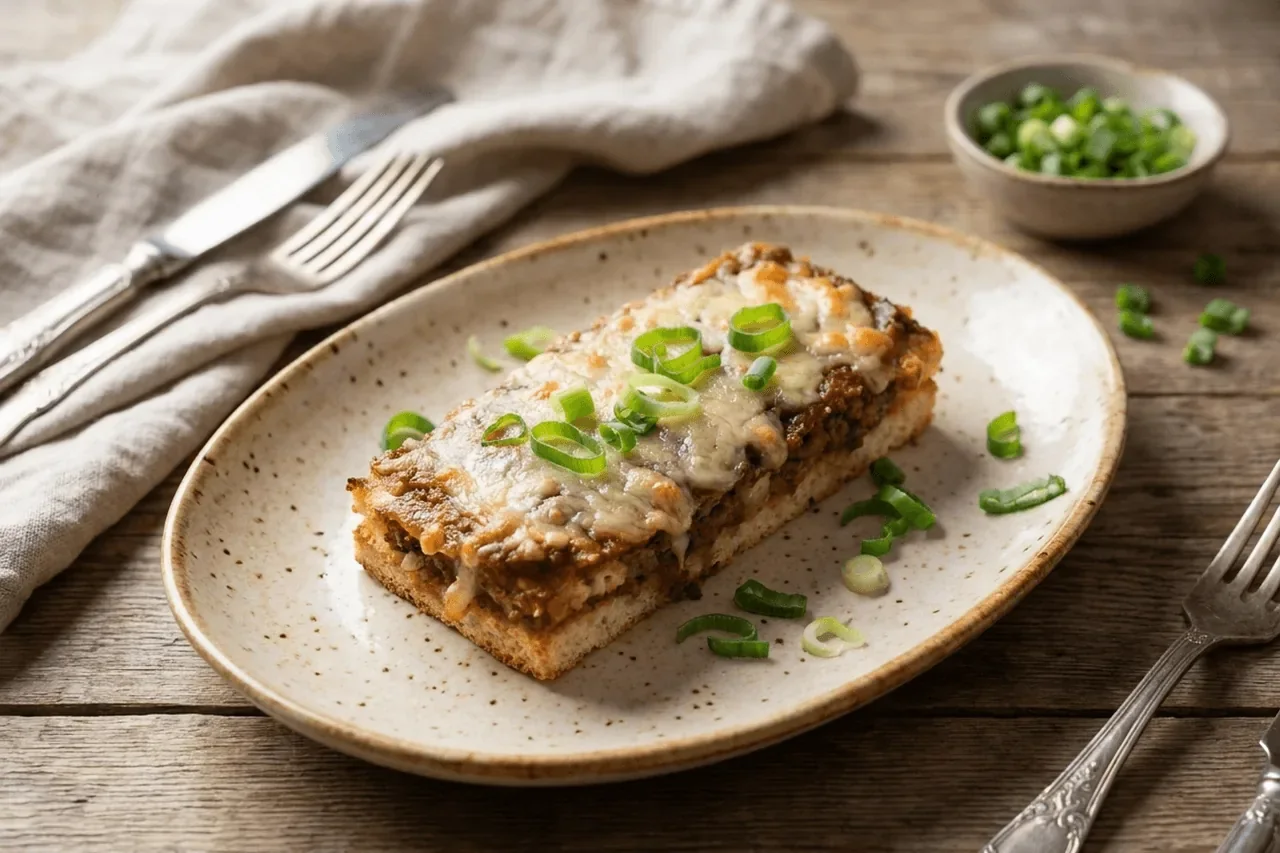
198g of protein across the plan · every macro published before you order.
Guessing portions is the hard part of this page. These seven meals are already at the size the guide recommends — plated, weighed and published, so a right-sized dinner is a delivery rather than a decision.
- Meals
- 7
- Avg protein
- 28g
- Avg calories
- 309
- The plan
- $90.65
7 meals · $12.95 each · $90.65 free delivery. 14+ meals $12.30 each · 21+ meals $11.65 each — every meal in your box is charged at the tier you reach.
- Skip, pause or cancel
- Min 7 meals
- SYD · MEL · BNE
- Food, not medicine
Three phases, one menu
How it works
- PickTake this plan or build your own box — minimum 7 meals.
- We cook + deliverCooked in our Australian kitchen, delivered chilled on your area’s delivery day.
- Heat + eatAbout three minutes to heat. Skip, pause or cancel before each weekly cutoff.
Smaller and denser beats bigger and lighter.
GLP-1 medications slow stomach emptying and quiet appetite signals. Push a conventional 700-calorie serve against that and the common results are discomfort, nausea and waste — reviews of GLP-1 gastrointestinal effects consistently recommend smaller meals eaten slowly as first-line management. The practical translation: plate 250 to 450 calories, eat without a screen, and stop at comfortable fullness rather than an empty plate.
Because the serve is small, what's in it matters more. Protein goes first — 20 to 40 grams per main is a common clinical guide — then vegetables, then carbohydrates as room allows. That order protects the nutrient that's hardest to catch up on later. For rough days, our nausea foods guide covers texture and temperature tactics.
Four portion rules that do the work.
None of this requires an app or a food scale — just a different default.
Start with less.
Serve half of what pre-medication you would have. Seconds are always available; scraping a plate into the bin isn't reversible. A smaller plate makes the smaller serve look normal.
Eat in order.
Protein, then vegetables, then carbs. If fullness arrives early, the important part is already eaten. The logic is unpacked in protein on GLP-1.
Give cues 20 minutes.
Fullness signals lag the food. Eating slowly — and stopping at "comfortable", not "done" — avoids the over-full misery that puts people off eating at all.
Leftovers are lunch.
Half-finished is fine. Lid it, refrigerate promptly, reheat within a day. Portion-matched meals mostly remove the problem — nothing for the bin.
This is exactly why Preptide's ON-phase serves are small and dense: most sit in the 250–450 calorie range with 30–50 grams of protein, so the default portion is already right and finishing the plate is normal. Macros are printed on every menu item. As appetite changes — dose changes, or coming off the medication — the phase system steps portions up with you.
The evidence behind smaller serves
Gastrointestinal effects are the most common adverse effects of GLP-1 receptor agonists, and management reviews consistently recommend dietary tactics as the first response: smaller meal sizes, eating slowly, stopping at fullness, and avoiding high-fat meals close to dose escalation. A 2022 review in Postgraduate Medicine summarises these mitigation strategies alongside the pharmacology of delayed gastric emptying. Portion sizing on a GLP-1 is individual — medication, dose, and the week you're having all move the number, which is why visible per-meal macros matter more than any fixed rule.
Questions, answered.
How big should a meal be on a GLP-1?
There's no single right number, but many people on GLP-1 medications settle around 250 to 450 calories per main meal — roughly half to two-thirds of a conventional serve. The practical rule is to plate less than you think, eat slowly, and stop at comfortable fullness. Your prescriber or dietitian can set targets for your situation.
Why do smaller portions matter on these medications?
GLP-1 medications slow stomach emptying and reduce appetite. Oversized serves are more likely to sit uncomfortably, contribute to nausea and reflux, and end up in the bin. Smaller, denser serves work with the medication instead of against it.
What should go on the plate first?
Protein. When total capacity is limited, eat the protein portion first so it isn't crowded out by fillers — many clinicians suggest 20 to 40 grams per main meal. Vegetables next, then carbohydrates as room allows.
I keep throwing food away. Is that normal?
It's one of the most common frustrations on a GLP-1: standard portions no longer match appetite, so food and money go in the bin. The fix is portioning for your actual appetite — smaller serves, and leftovers refrigerated promptly for the next meal rather than abandoned.
Do Preptide meals match GLP-1 appetites?
That's the design brief. ON-phase meals are portioned for medication-reduced appetites — most sit in the 250 to 450 calorie range with protein first — so finishing the plate is normal, not an achievement. Calories, protein, carbs and fat are shown on every item before you order.
Preptide is food, not medication. This page is general information, not medical or dietetic advice. Portion and nutrient needs vary by person, medication and dose — persistent nausea, vomiting or trouble keeping food down is a matter for your prescribing doctor. Read our full Health Acknowledgement →