
A practical Saxenda diet plan.
Saxenda contains liraglutide and is registered in Australia for chronic weight management in defined patient groups alongside a reduced-calorie diet and increased physical activity. It does not come with one compulsory menu. This guide provides a flexible food framework for people already prescribed Saxenda, without pretending that one calorie or protein target suits everyone.
What should you eat on Saxenda? Begin with a comfortable serve containing a tolerated protein food, vegetables or fruit, an appropriate carbohydrate and regular fluids. Smaller meals may feel easier than large ones for some people. Personal health conditions, appetite, other medicines and symptoms determine the right foods and quantities.
The Saxenda Meal Plan · updated 26 August 2026
A Saxenda meal plan that arrives cooked.
The 7 meals in this plan
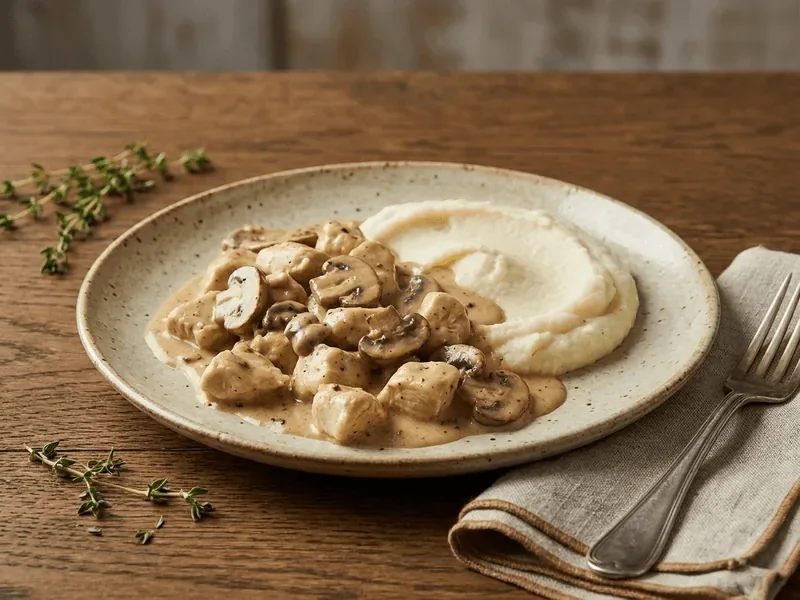
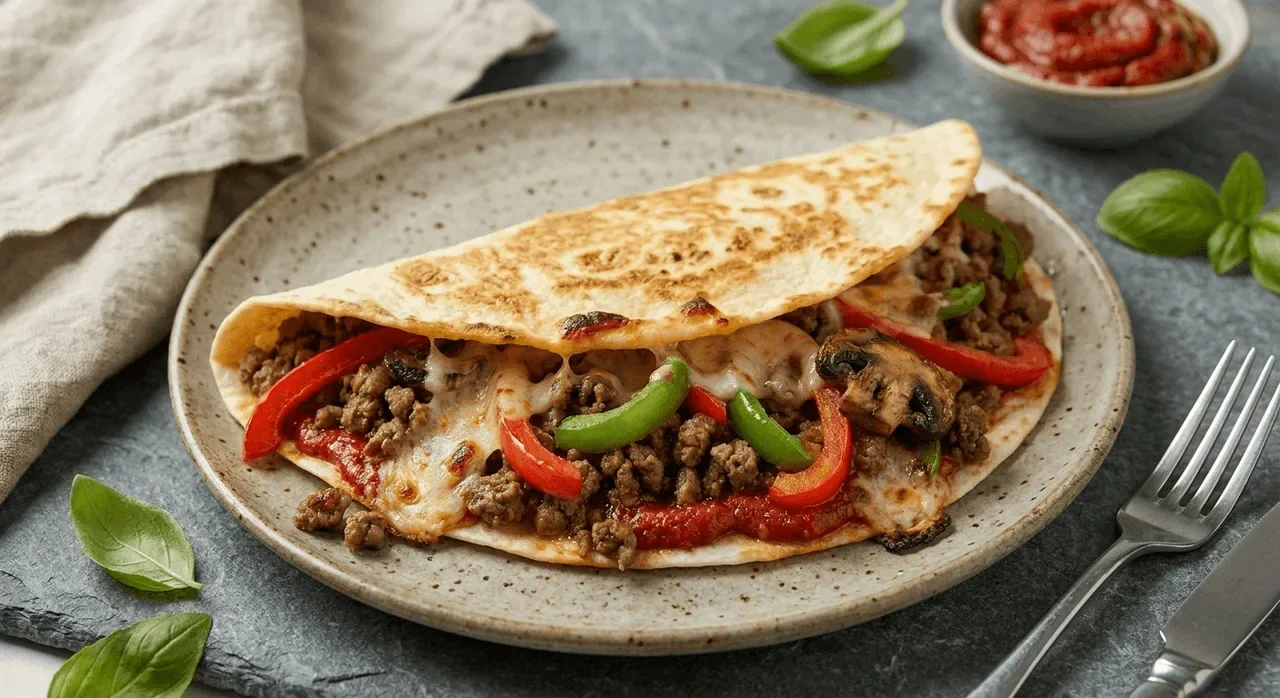
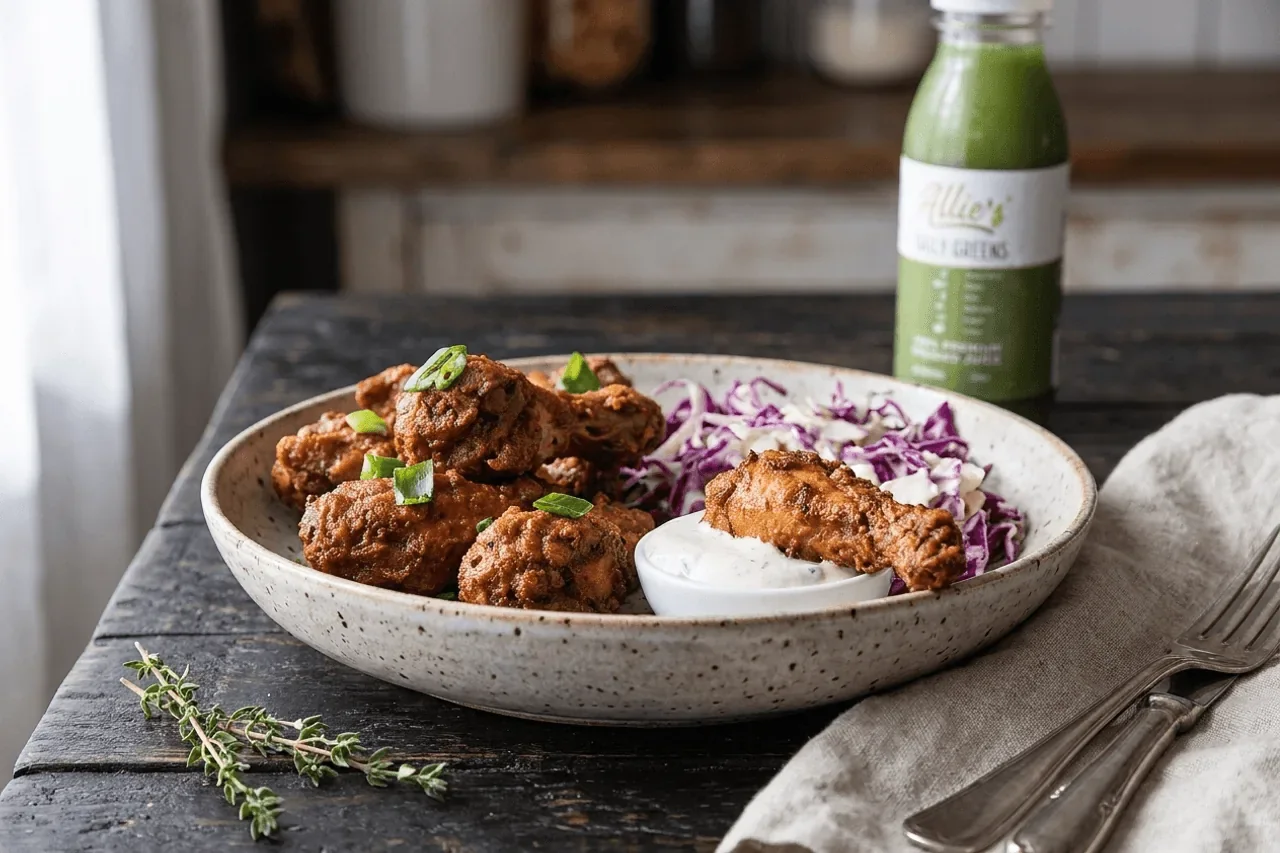
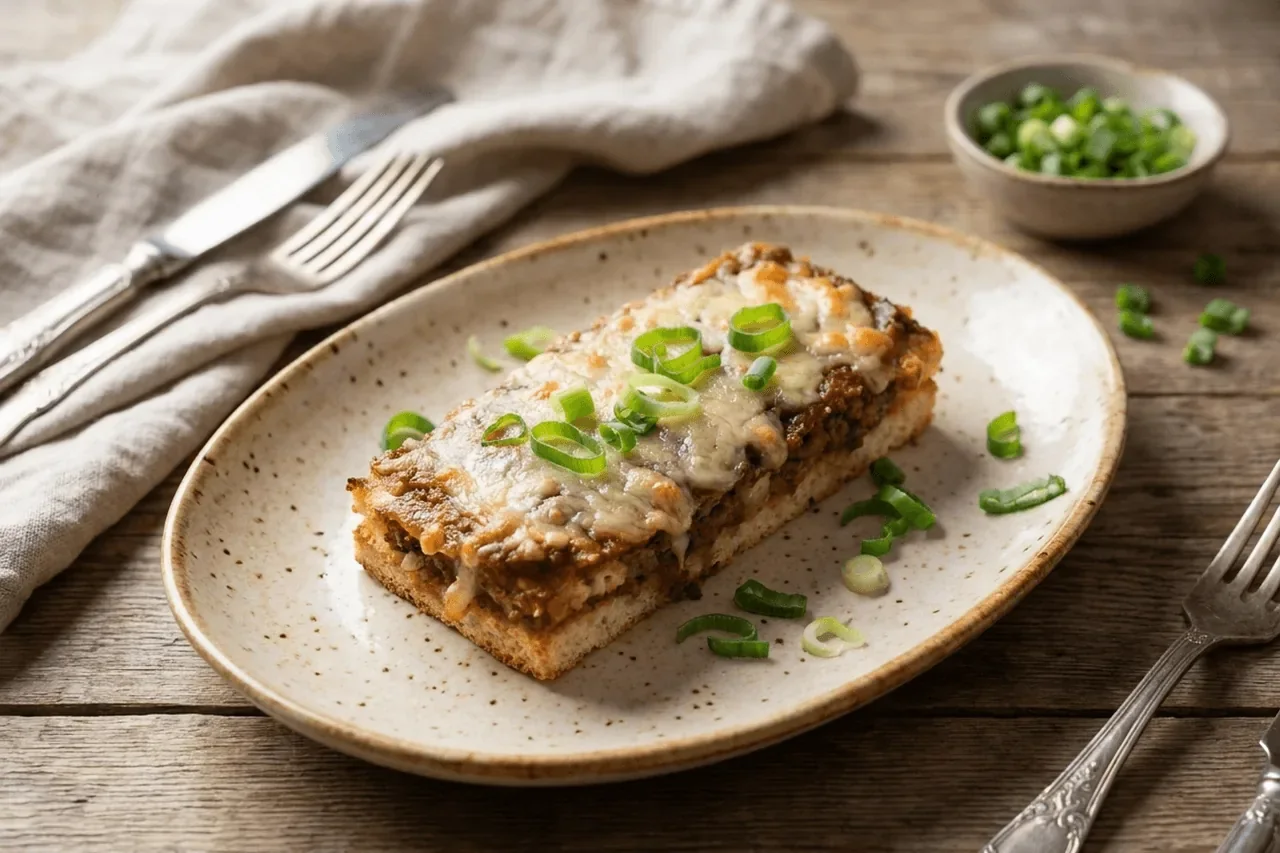
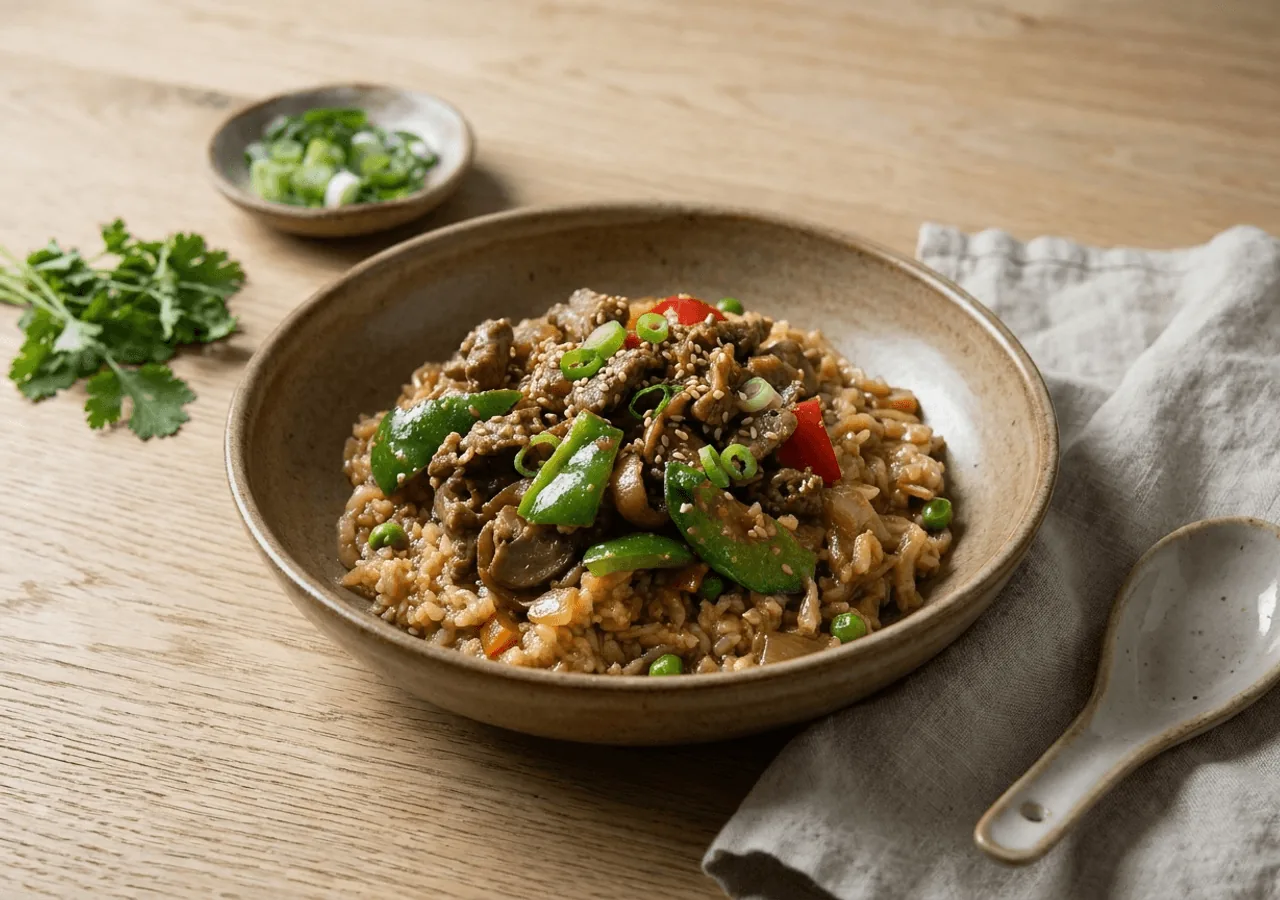
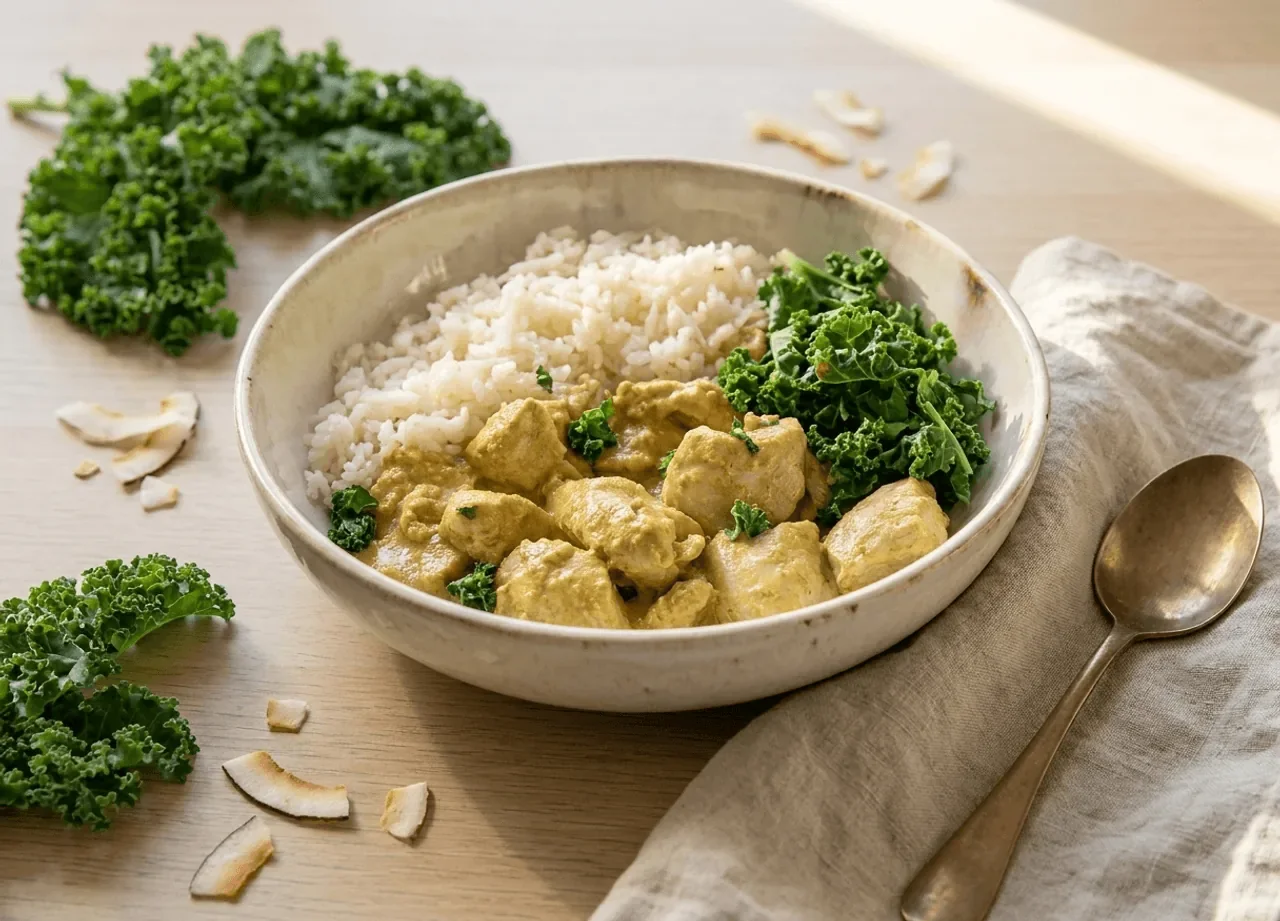
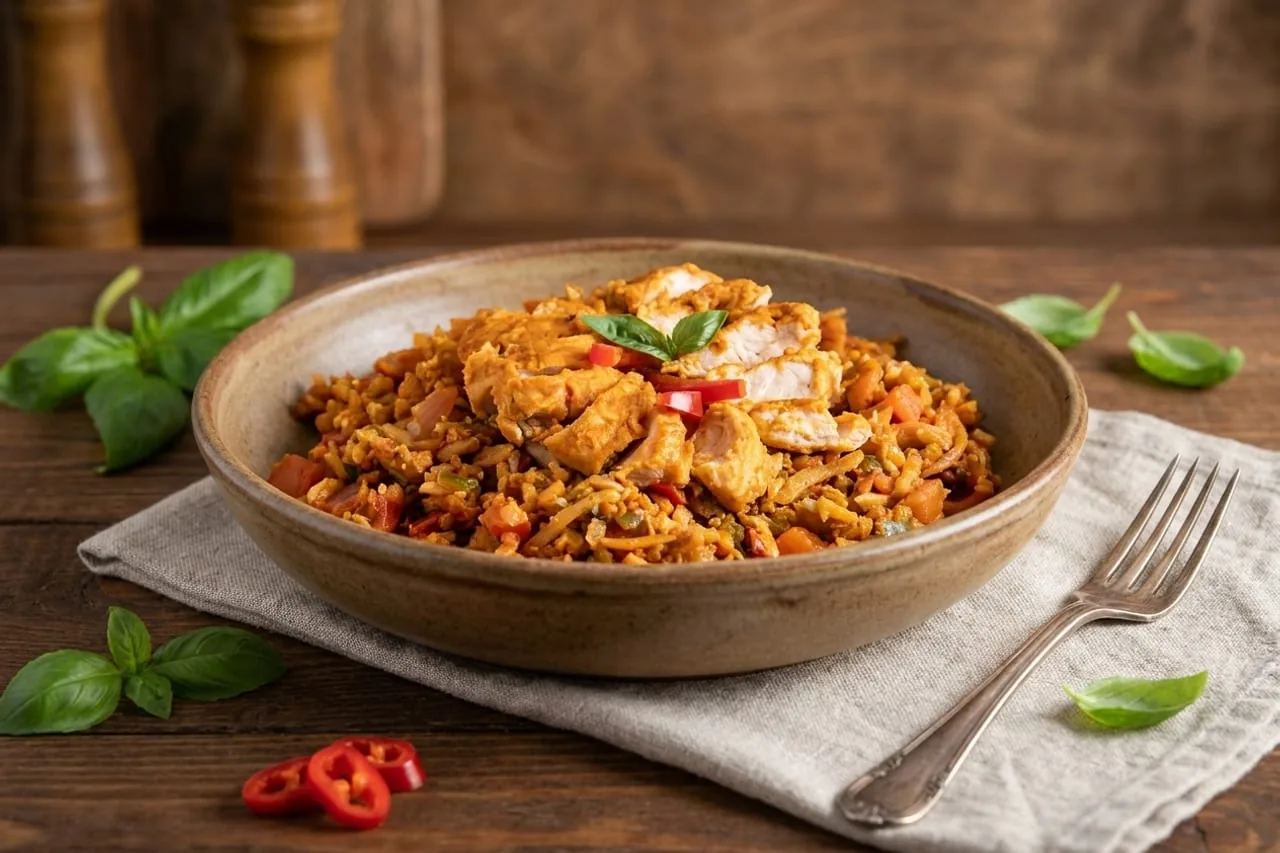
198g of protein across the plan · every macro published before you order.
Seven meals portioned for a smaller appetite and built around a protein anchor, so the days you barely feel like eating still land properly. Independent food, never a substitute for clinical advice.
- Meals
- 7
- Avg protein
- 28g
- Avg calories
- 309
- The plan
- $90.65
Swap any meal or skip any week before the weekly cutoff · Delivered across Sydney, Melbourne & Brisbane · Food only — not a medicine and not medical advice.
Saxenda contains liraglutide.
Liraglutide is the active ingredient. Saxenda is the brand registered for chronic weight management in eligible adults and, under the current Product Information, defined adolescent and paediatric groups. Eligibility and dosing are medical decisions, not food-service decisions.
Victoza also contains liraglutide but is registered for type 2 diabetes, so the brands should not be treated as interchangeable search labels. This page is about food planning for someone already prescribed Saxenda; it does not recommend or supply the medicine.
Liraglutide is a GLP-1 receptor agonist. Appetite and food tolerance can change, but the practical nutrition question remains broader than “eat less”: is the smaller amount still providing useful protein, plants, carbohydrate, fluid and overall nutritional adequacy?
Keep a useful shortlist.
A realistic Saxenda food list is made of ingredients that combine easily and remain useful when appetite or energy changes. Keep a few options from each group rather than trying to buy a perfect new diet.
Protein foods
Eggs, Greek yoghurt, cottage cheese, chicken, tuna, salmon, lean meat, tofu, tempeh, edamame, beans and lentils.
Plants and fibre
Berries, bananas, cooked vegetables, salad, soup, legumes, oats and whole grains. Increase fibre gradually and pair it with fluid.
Flexible carbohydrates
Oats, rice, quinoa, potato, wholegrain toast, wraps and crackers in an amount that fits individual energy and health needs.
Low-effort backups
Tinned fish, yoghurt, eggs, frozen vegetables, soup, microwave grains and prepared meals with clear ingredients and nutrition information.
Protein + plants + a comfortable carbohydrate.
Eggs with toast and spinach, or yoghurt with berries and oats.
Chicken, tuna, tofu or beans with vegetables and rice, quinoa or bread.
Fish, lean meat or legumes with cooked vegetables and potato or whole grains.
Snacks are optional. If one is wanted, choose something that fills a nutrition gap, such as fruit, dairy, edamame or nuts. A rigid clock is not more important than appetite, clinical advice and adequate total intake.
General food information only. Adjust foods and portions to your clinical advice, appetite, allergies and tolerance.
A flexible 7-day Saxenda meal plan.
Download the free PDFUse this as a bank of ordinary Australian meal ideas rather than a compulsory calorie prescription. Begin with a comfortable serve, repeat meals that work and keep leftovers for the next day.
| Day | Breakfast | Lunch | Dinner | Practical note |
|---|---|---|---|---|
| 1 | Yoghurt, berries and oats | Chicken quinoa bowl | Salmon, potato and green beans | Cook extra salmon and potato for tomorrow. |
| 2 | Eggs, toast and spinach | Leftover salmon salad | Tofu or beef stir-fry with rice | Keep oil and chilli modest if rich food feels difficult. |
| 3 | Porridge with banana and yoghurt | Pumpkin-lentil soup | Chicken, mash and cooked carrots | Soup and mash offer softer textures. |
| 4 | Cottage cheese and fruit | Tuna and bean salad | Tofu rice bowl with vegetables | Increase legumes gradually if fibre was previously low. |
| 5 | Egg and spinach wrap | Leftover protein bowl | Clearly labelled prepared meal | Check ingredients, allergens, portion and nutrition panel. |
| 6 | Yoghurt, oats and banana | Chicken or falafel wrap | Fish tacos with slaw | Use cooked vegetables if raw salad is uncomfortable. |
| 7 | Repeat the best-tolerated breakfast | Leftovers or soup | Lean meatballs or lentil bolognese | Freeze spare portions rather than forcing a larger serve. |
Optional snacks can include fruit, yoghurt, cottage cheese, edamame or a small portion of nuts. Individual energy and protein needs vary; persistent difficulty eating enough warrants professional assessment.
Adjust the meal, not just the ingredient list.
Nausea: some people prefer cooler, blander or lower-fat foods such as yoghurt, toast, rice, crackers, soup or a small egg meal. Avoid forcing a large portion.
Early fullness: serve less initially, prioritise the protein-containing component and keep another portion for later if safe to do so.
Constipation: regular fluid, movement and a gradual increase in fruit, vegetables, oats, legumes or whole grains may help. Severe or persistent symptoms require clinical advice.
Very low intake: ongoing weakness, dehydration, vomiting or inability to maintain food and fluid is not a desirable meal-plan outcome. Contact the healthcare professional managing treatment.
There is no universal banned-food list.
Large portions and very fatty, fried, greasy, heavily spiced or high-sugar food may be uncomfortable for some people. Alcohol can also affect symptoms and health risks. Adjust portion, richness or frequency according to your own response and medical advice.
A food guide cannot manage serious symptoms.
Contact your healthcare professional when side effects persist, worsen or interfere with food and fluids. Seek urgent help for symptoms listed as urgent in the current Consumer Medicine Information. Tell health professionals you take a GLP-1 medicine before surgery or deep sedation.
Looking for prepared meals while taking Saxenda?
A prepared-meal service can reduce cooking decisions, but it cannot prescribe the right menu. Compare serving size, ingredients, allergens and nutrition information with the advice you have received. Preptide explains its general GLP-1 meal-delivery approach separately and does not supply or promote prescription medicines.
Saxenda meal-plan questions, answered.
What should I eat while taking Saxenda?
A practical starting pattern is a comfortable portion containing a tolerated protein food, vegetables or fruit, a suitable carbohydrate and regular fluids. The right foods and amounts depend on health needs, medicines and symptoms.
Is there an official Saxenda diet plan?
There is no universal official menu for everyone taking Saxenda. A meal plan should be adapted to health conditions, current intake, appetite and food tolerance.
Are Saxenda and liraglutide the same thing?
Liraglutide is the active ingredient in Saxenda. Saxenda is an Australian brand registered for chronic weight management in defined patient groups.
What foods should I avoid on Saxenda?
No food is universally forbidden. Some people find large, fried, greasy, very rich, heavily spiced or high-sugar meals harder to tolerate, so portion, texture and richness can be adjusted according to symptoms.
- TGA ARTG entry: Saxenda liraglutide.
- TGA: Saxenda registration and indication.
- TGA: GLP-1 medicine safety update.
- Joint advisory: nutritional priorities to support GLP-1 therapy for obesity.
Primary Australian medicine sources were checked first. This page has not been represented as individual clinical review; see the editorial policy for sourcing, corrections and review status.
Important: General food information only, not medical or dietetic advice. Saxenda and Victoza are registered trademarks of Novo Nordisk. Preptide is independent and is not affiliated with, endorsed by or sponsored by Novo Nordisk. Preptide is food, not medication, and does not prescribe, sell or recommend prescription medicines. Read our editorial policy and Health Acknowledgement.