
A 7-day GLP-1 meal plan for real life.
This is a flexible week of food ideas for people already prescribed a GLP-1 or dual GIP/GLP-1 medicine. It is built around smaller first serves, regular protein foods, variety, fibre and fluids as tolerated—without pretending everyone needs the same calories, macros or portion size.
A practical GLP-1 meal plan starts small and stays flexible. Put a tolerated protein food at the centre, add vegetables or fruit, include a comfortable higher-fibre carbohydrate, and drink regularly across the day. Start with less than your old serving if fullness arrives quickly; you can always return for more.
The GLP-1 Meal Plan Box · updated 20 September 2026
A GLP-1 meal plan you can order, not just read.
The 7 meals in this plan
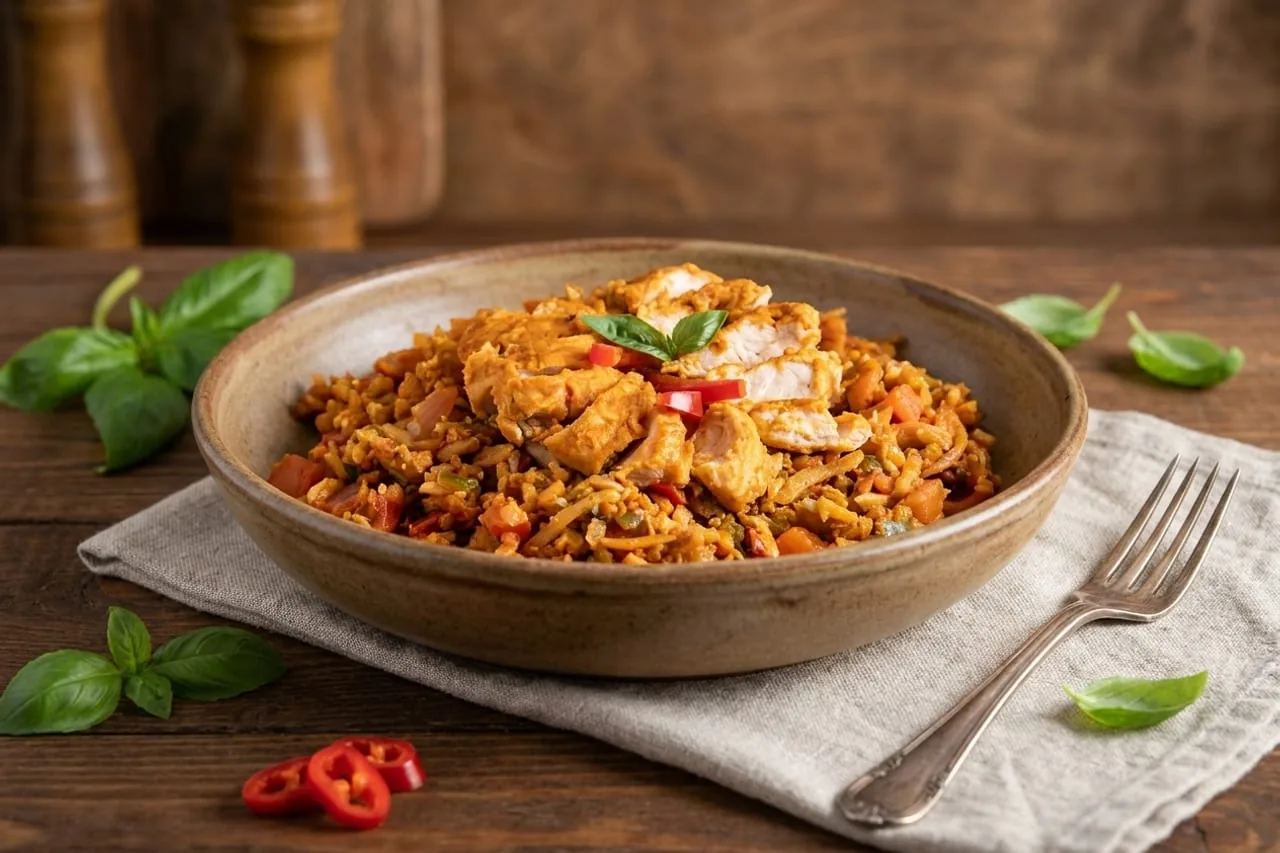
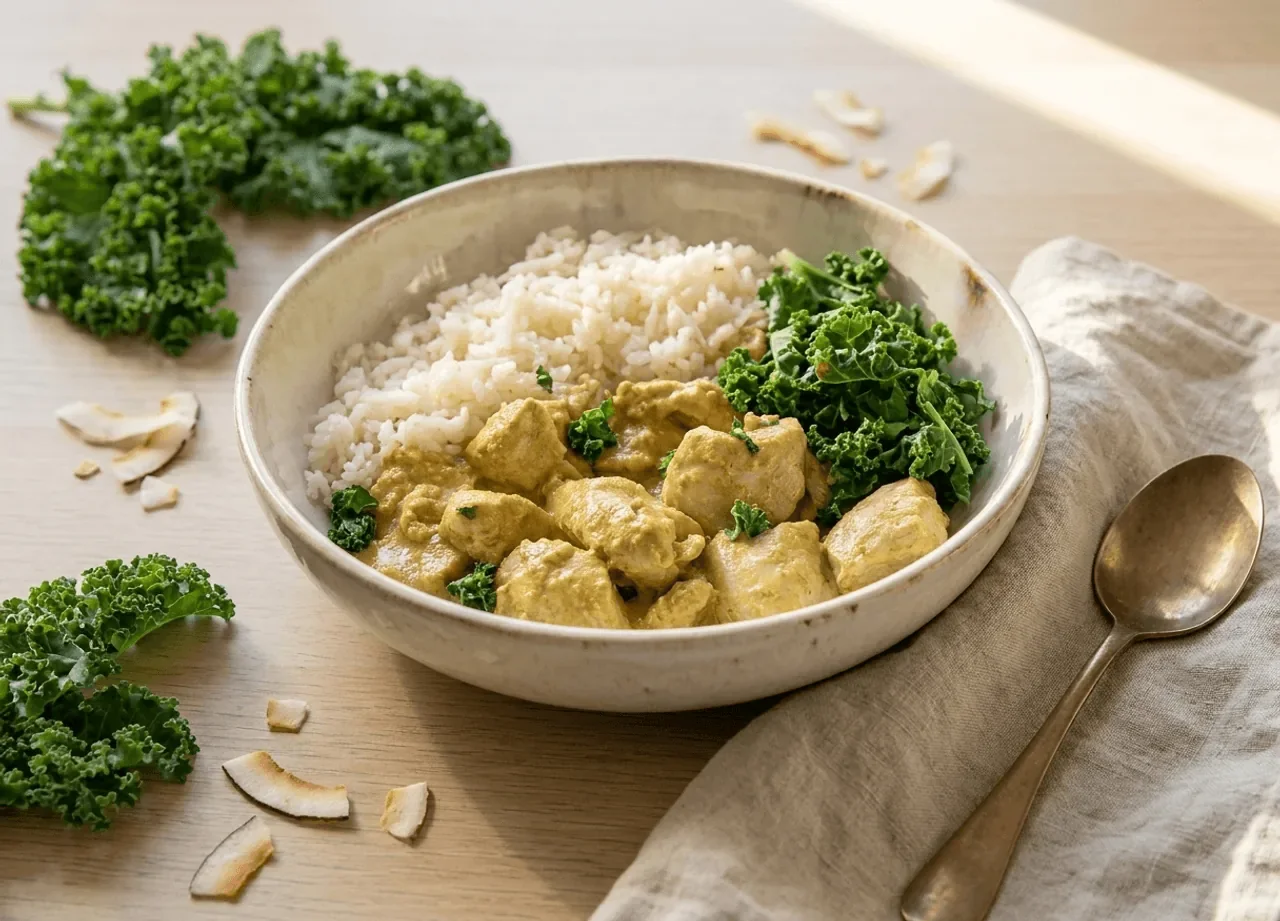
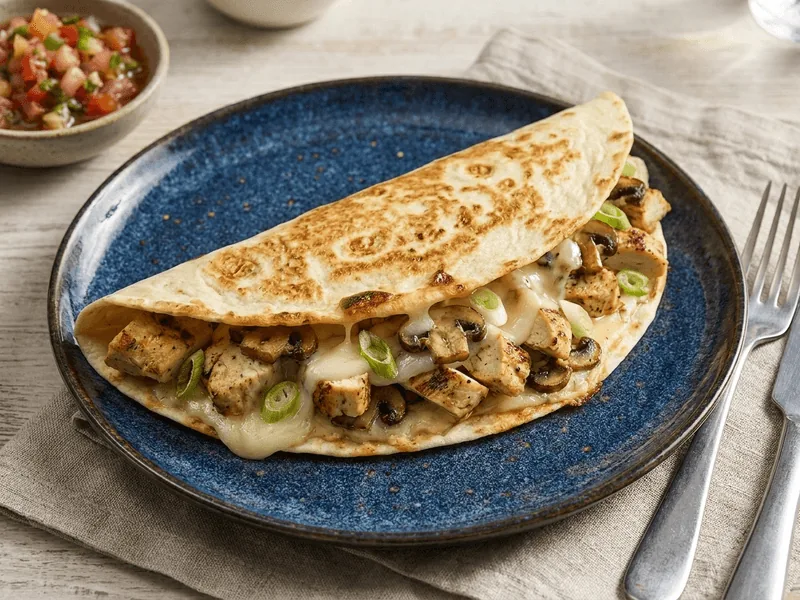
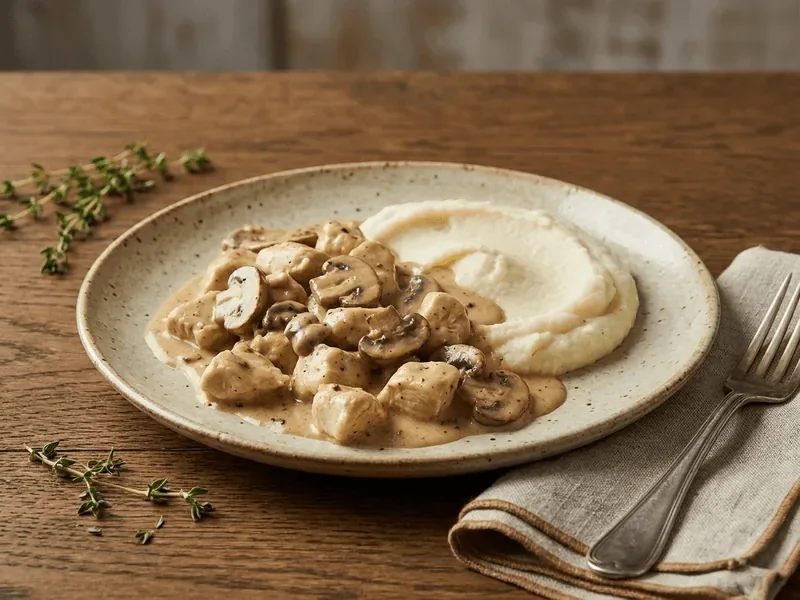
250g of protein across the plan · every macro published before you order.
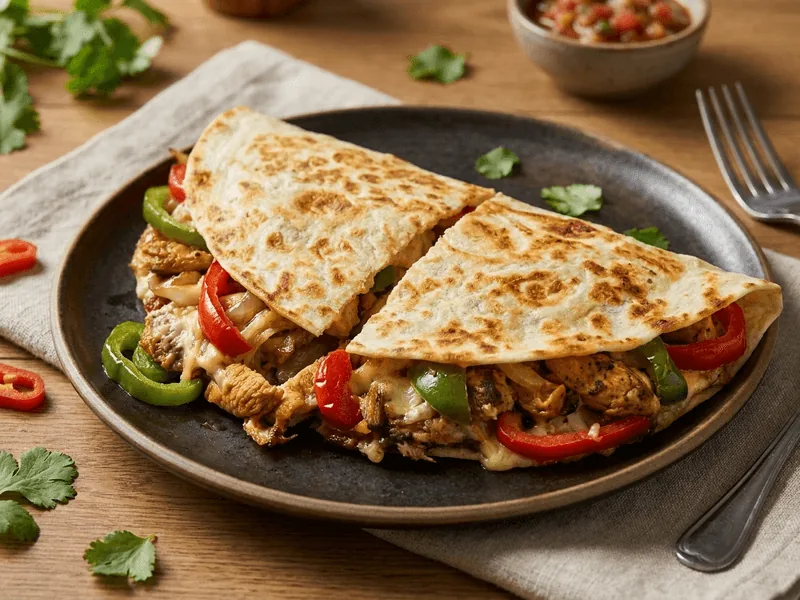
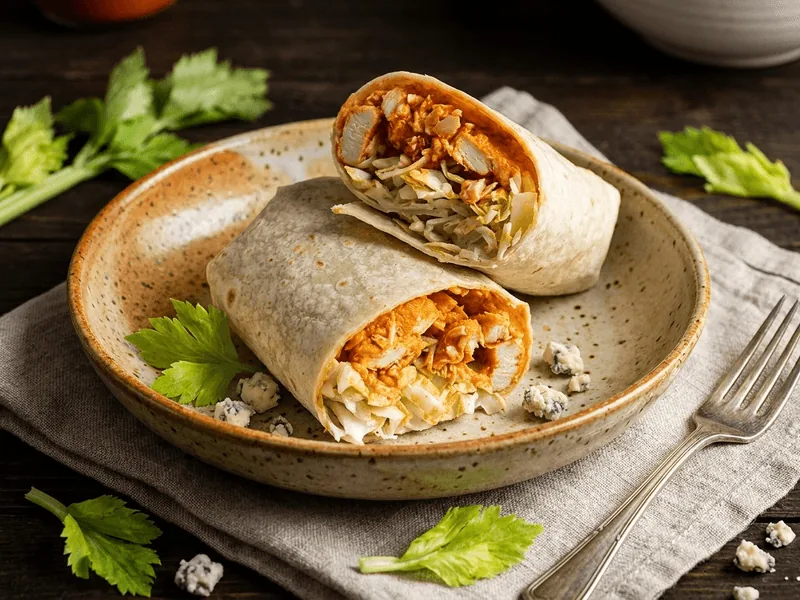
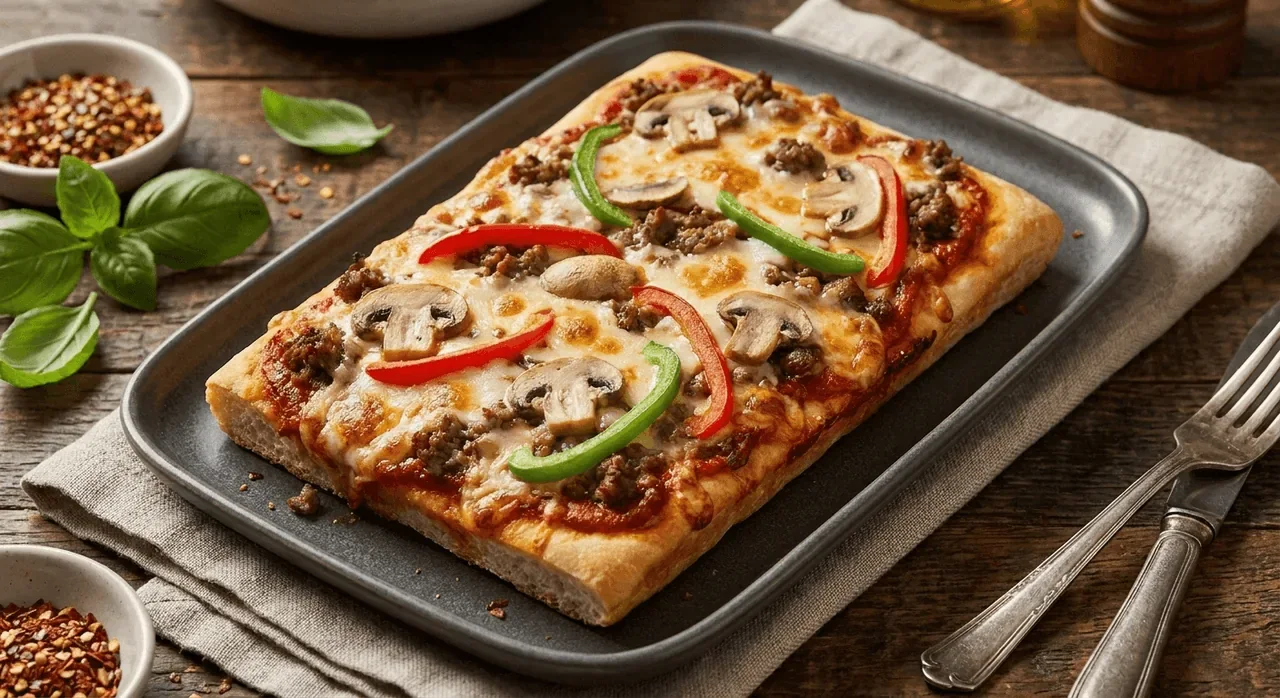
This is the seven-meal GLP-1 meal plan we are actually delivering this week — every portion sized for a reduced appetite, every macro published before you order. Add it to your box and the week is planned.
- Meals
- 7
- Avg protein
- 36g
- Avg calories
- 377
- The plan
- $90.65
Swap any meal or skip any week before the weekly cutoff · Delivered across Sydney, Melbourne & Brisbane · Food only — not a medicine and not medical advice.
Build the meal before you build the week.
Start with protein
Eggs, yoghurt, cottage cheese, fish, chicken, lean meat, tofu, tempeh, beans or lentils. Your appropriate amount depends on your body, health and total intake.
Add plants gently
Use vegetables, fruit, legumes and whole grains for variety, fibre and micronutrients. Cooked or softer choices may feel easier when the stomach is unsettled.
Choose a comfortable carb
Oats, rice, quinoa, potato or wholegrain bread can provide energy. People managing diabetes should follow their individual carbohydrate advice.
Make room for fluids
Drink consistently instead of trying to catch up late. If drinking with meals feels uncomfortable, try smaller sips and move more fluid between meals.
Seven days you can swap, repeat or simplify.
This is deliberately ordinary food. Repeat a breakfast, use last night's dinner for lunch, buy a ready-made meal on a busy day and leave out an optional snack when you are not hungry. Consistency is more useful than performing a perfect menu.
A calm start
- Breakfast: Greek yoghurt, berries and a spoon of oats.
- Lunch: Chicken and roast-vegetable bowl with quinoa.
- Dinner: Salmon, potato and green beans.
- If wanted: fruit or cottage cheese.
Use the leftovers
- Breakfast: Eggs, cooked spinach and wholegrain toast.
- Lunch: Leftover salmon with cucumber, tomato and potato.
- Dinner: Beef or tofu stir-fry with vegetables and rice.
- If wanted: yoghurt or edamame.
Softer textures
- Breakfast: Porridge made with milk, topped with yoghurt.
- Lunch: Pumpkin and red-lentil soup with a small toastie.
- Dinner: Chicken, cauliflower mash and carrots.
- If wanted: banana or a small smoothie.
Plant-forward
- Breakfast: Yoghurt or soy yoghurt with fruit and chia.
- Lunch: Tofu, edamame and rice bowl with cooked vegetables.
- Dinner: Lentil bolognese with a modest pasta serve.
- If wanted: hummus and crackers.
A no-fuss Friday
- Breakfast: Cottage cheese on toast with tomato.
- Lunch: Tuna, bean and chopped-vegetable salad.
- Dinner: A macro-labelled ready meal that fits your tolerance.
- If wanted: fruit and a few nuts.
Keep weekend food social
- Breakfast: Scrambled eggs, mushrooms and toast.
- Lunch: Chicken or falafel wrap; stop when comfortably satisfied.
- Dinner: Grilled fish, chicken or tofu with salad and rice.
- If wanted: yoghurt or a milky drink.
Reset without restriction
- Breakfast: Repeat the breakfast you tolerated best.
- Lunch: Leftover protein and vegetables in a bowl or sandwich.
- Dinner: Turkey, bean or lean-beef meatballs with vegetables.
- If wanted: choose the snack that fills a gap, not one a timetable demands.
No calorie total is shown because a safe, useful energy target cannot be set from a webpage. Portion size, carbohydrate distribution and protein needs should be personalised for your health, treatment and activity.
Change the texture, richness or size—not the whole week.
Plate a smaller first serve, eat slowly and save the remainder. Do not force a large plate because it was written in a plan.
Some people prefer cooler, plainer, lower-fat foods such as yoghurt, toast, rice, soup or eggs. Persistent or worsening nausea needs clinical advice.
Increase fibre gradually, include fluids and keep moving if appropriate. Sudden large fibre increases can be uncomfortable; ask a clinician for individual advice.
Maintaining fluid may become the priority. Contact your healthcare professional when symptoms continue, worsen or make normal drinking difficult.
Buy ingredients that can play more than one role.
Protein foods
Eggs, Greek yoghurt, cottage cheese, chicken, fish, lean mince, tofu, edamame, beans and lentils.
Plants and fibre
Berries, bananas, seasonal fruit, spinach, carrots, green beans, pumpkin, salad vegetables and frozen mixed vegetables.
Carbohydrate staples
Oats, wholegrain bread, rice, quinoa, potato, pasta and wholegrain crackers.
Low-effort backups
Tinned tuna or salmon, microwave grains, frozen vegetables, soup, macro-labelled ready meals and shelf-stable milk.
Ozempic or Wegovy food questions
For brand-specific search questions, use our Ozempic diet and food guide, Wegovy diet plan or semaglutide food guide.
Mounjaro meal ideas
Use the Mounjaro diet plan for a fuller food list and tirzepatide-specific context, or read the tirzepatide guide.
Saxenda meal ideas
Use the Saxenda diet plan for a printable week, liraglutide context, food-list ideas and symptom-conscious substitutions.
If nausea or early fullness is the immediate problem, start with the separate GLP-1 nausea foods guide, which covers portion, temperature, texture, fluid and escalation questions without treating food as a remedy.
When cooking the whole plan is the part that will not happen.
A realistic plan can mix home cooking, leftovers and prepared meals. If your clinician has already recommended a smaller, protein-aware eating pattern, compare GLP-1 meal delivery using the portion, protein, ingredients, allergens and current delivery information shown before checkout. Preptide sells food only; it does not supply or promote prescription medicines.
Is there an official GLP-1 diet plan?
No single official menu suits everyone. The useful plan is the one adjusted for your indication, health conditions, current intake, preferences, symptoms and the advice of your treating clinician or Accredited Practising Dietitian.
Can I use this plan with Ozempic, Wegovy or Mounjaro?
The broad food-planning principles may be relevant to people already prescribed semaglutide or tirzepatide, but those medicines have different Australian indications and individual needs vary. Follow the advice and medicine information provided by your healthcare team.
Do I need to finish every meal?
No. Start with a comfortable first serve, eat slowly and stop when comfortably satisfied. Persistently very low intake, weakness, dehydration or difficulty eating and drinking needs professional assessment.
Which foods should I avoid on a GLP-1?
There is no universal banned-food list. Some people find large, fried, greasy, very rich, highly spiced or high-sugar meals harder to tolerate. Adjust portion, texture and richness according to your response and seek clinical advice for persistent symptoms.
What this plan is based on.
- Joint advisory on nutritional priorities to support GLP-1 therapy for obesity—pragmatic priorities including nutritional adequacy, hydration and individualisation.
- Australian Government: eating well and the Australian Dietary Guidelines.
- TGA safety update for GLP-1 and dual GIP/GLP-1 receptor agonists.
Direct trials comparing specific public meal plans during GLP-1 treatment remain limited. This guide therefore avoids claiming one menu improves medicine outcomes or prevents side effects.
Important: General food information only, not medical or dietetic advice. Speak with the clinician managing your medicine if symptoms persist, intake becomes very low, or you have diabetes, kidney disease, pregnancy-related considerations, allergies or another condition needing individual nutrition advice. Read our editorial policy and Health Acknowledgement.