
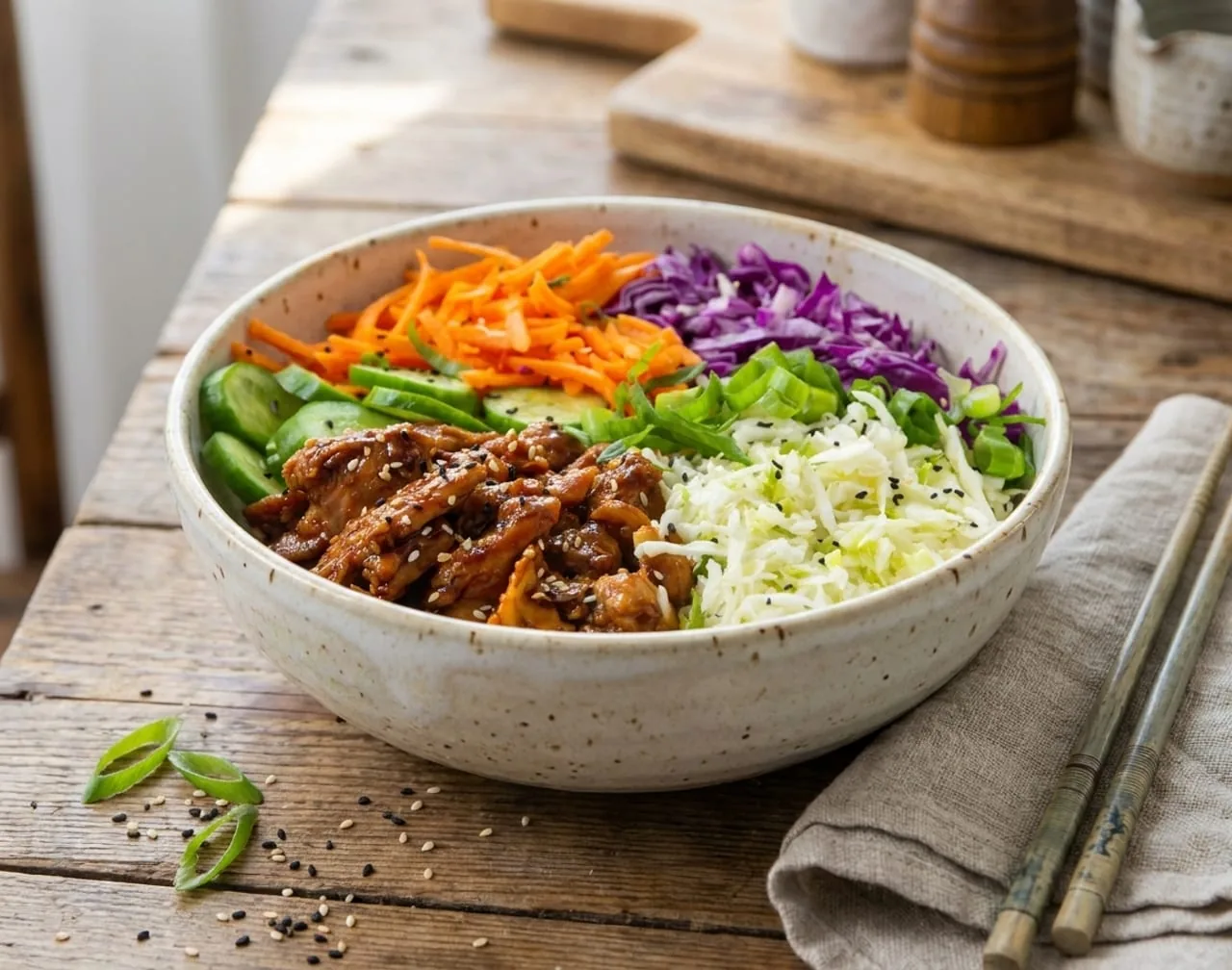
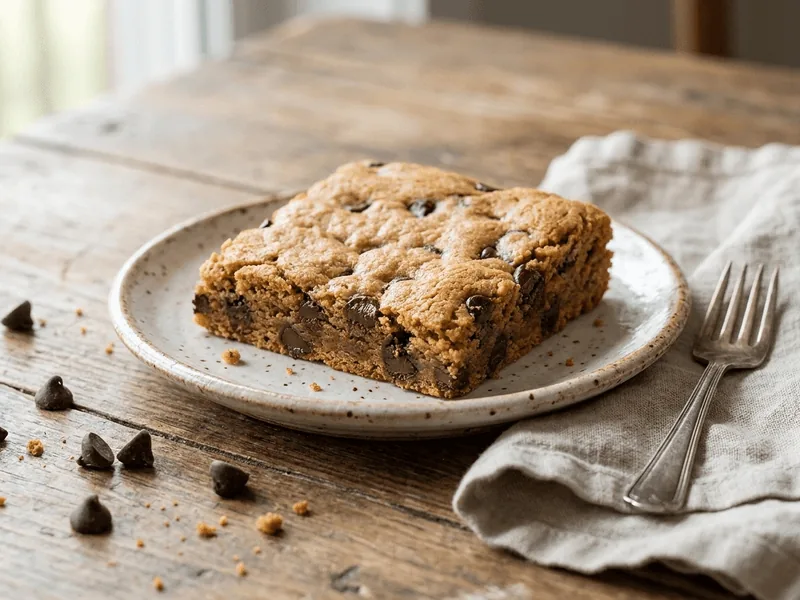
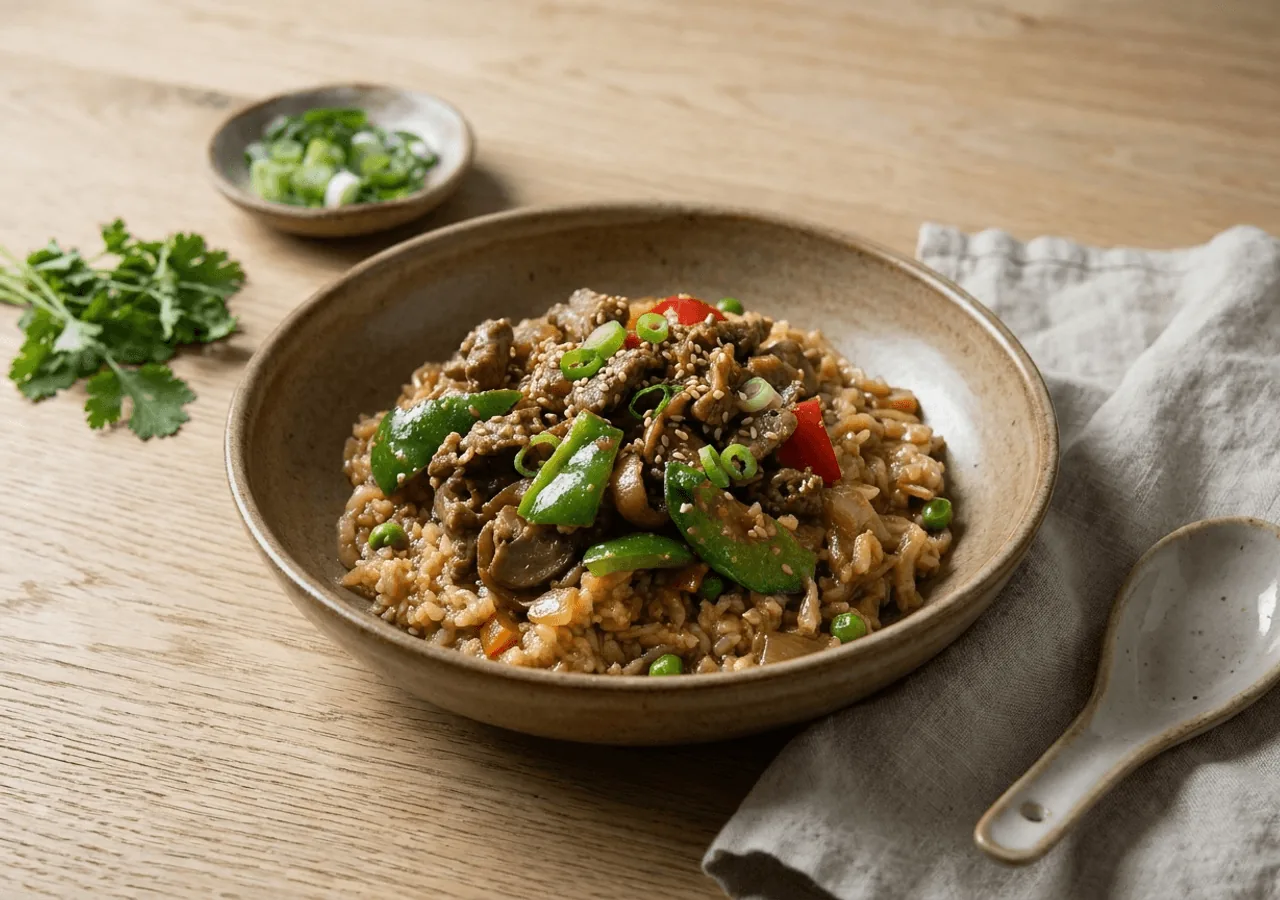
What to eat with GLP-1 nausea.
Nausea, early fullness and changing food preferences can occur with GLP-1 medicines, but the pattern and severity differ between people. This guide is a practical starting point for someone already prescribed Ozempic, Wegovy, Mounjaro, Saxenda or another GLP-1 medicine. It cannot diagnose the cause of symptoms or replace the medicine information and advice supplied by a healthcare professional.
What can you eat with GLP-1 nausea? Try a small amount of a cooler, blander or lower-fat food, such as yoghurt, toast, crackers, rice, soup, eggs, banana or softly cooked vegetables. Sip fluids regularly rather than taking a large drink at once. Do not force a large meal, and seek medical advice if symptoms are severe, persistent or prevent normal food and fluid intake.
The Nausea-Friendly GLP-1 Plan · updated 16 September 2026
Nausea-friendly GLP-1 meals, already portioned.
The 7 meals in this plan
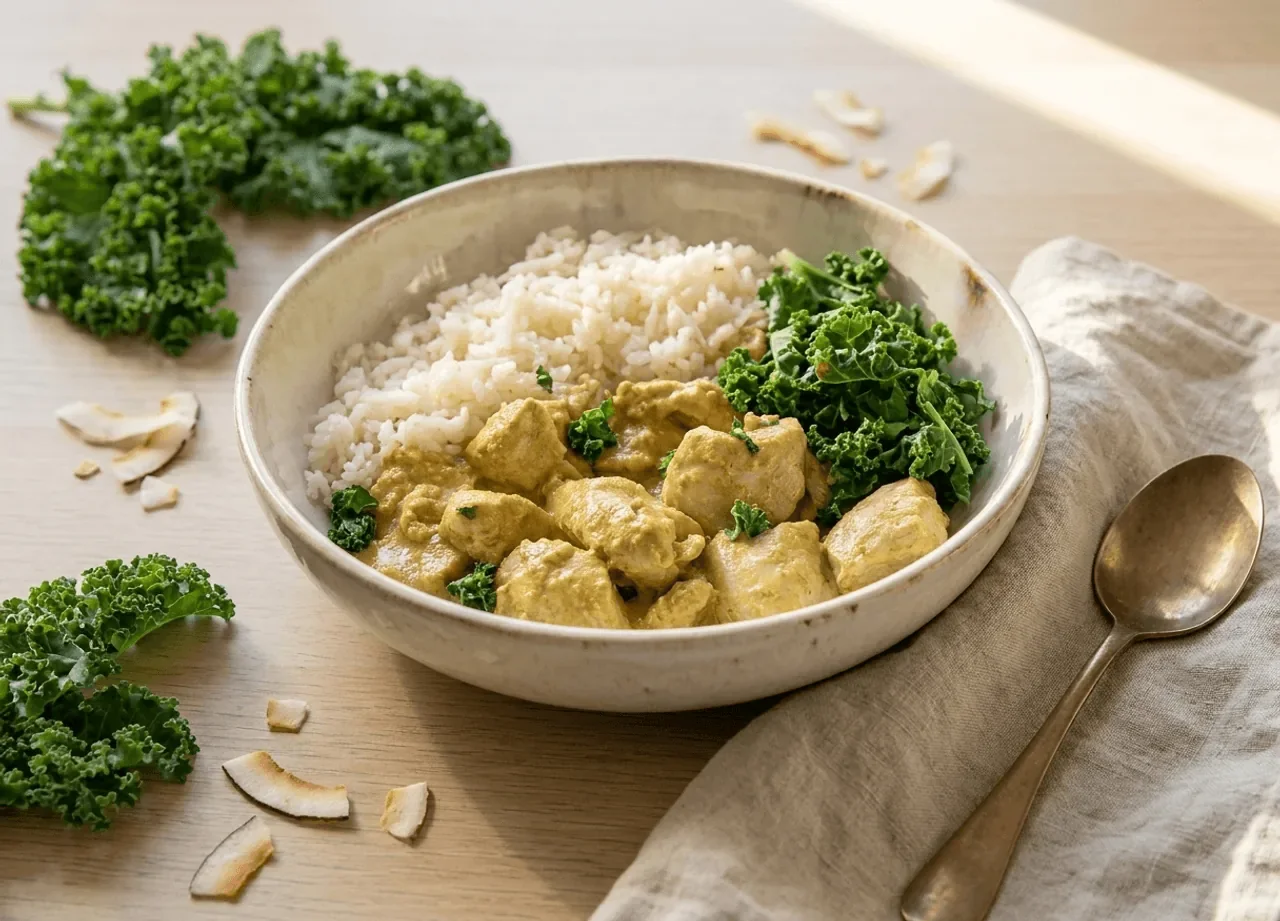
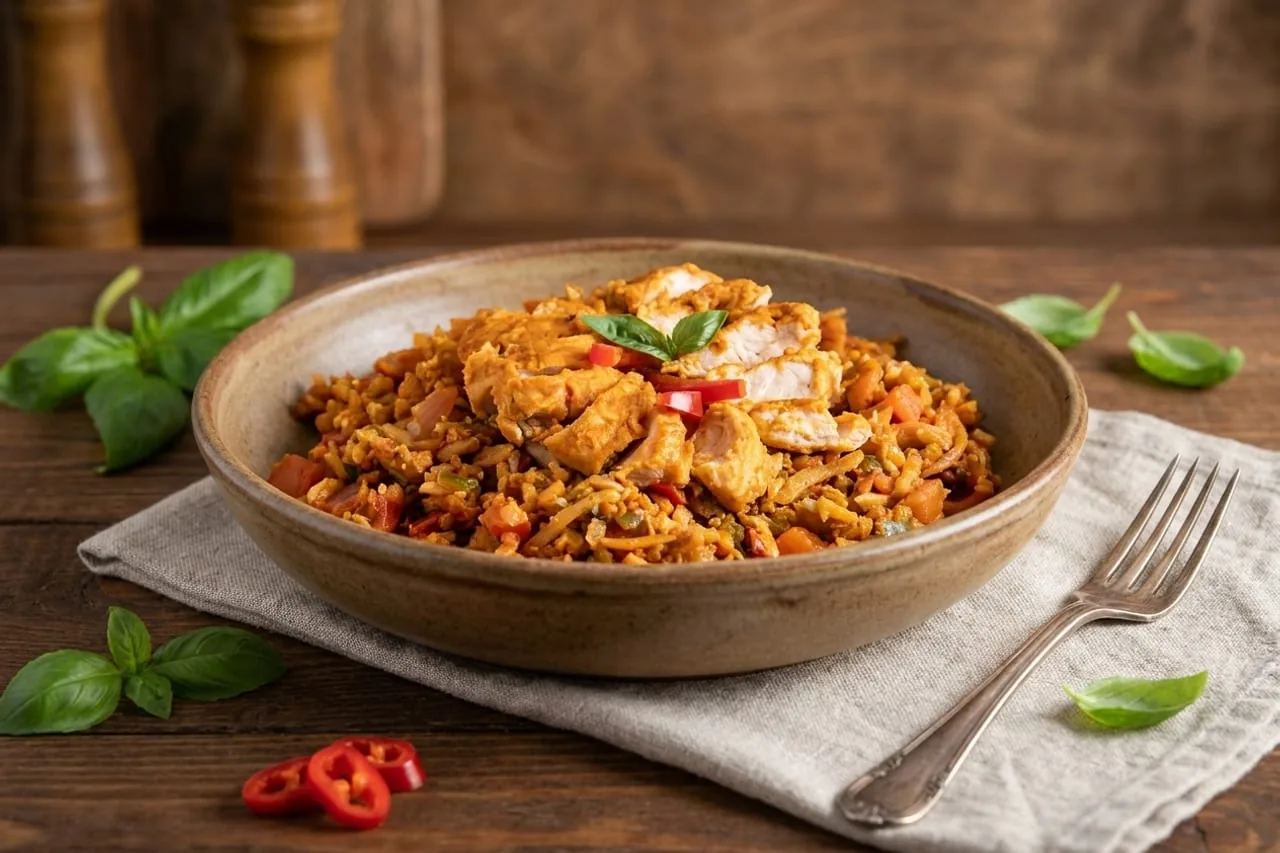
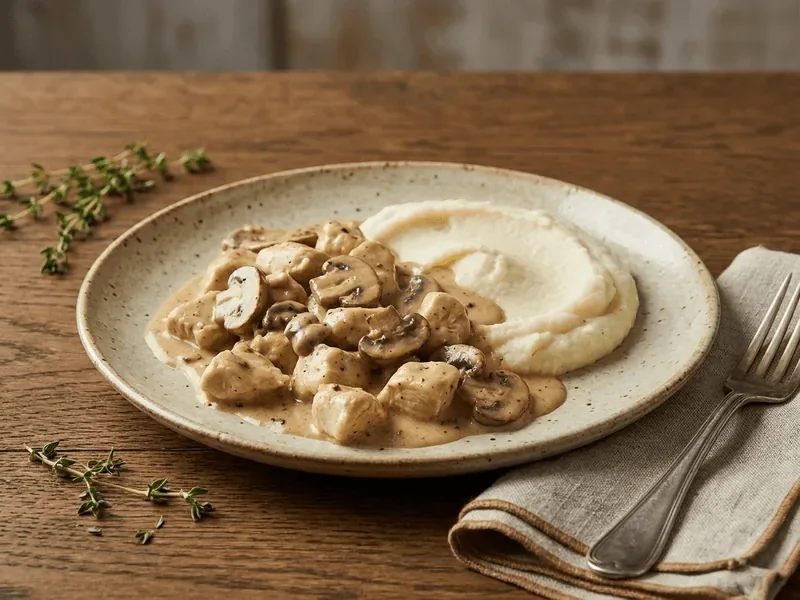
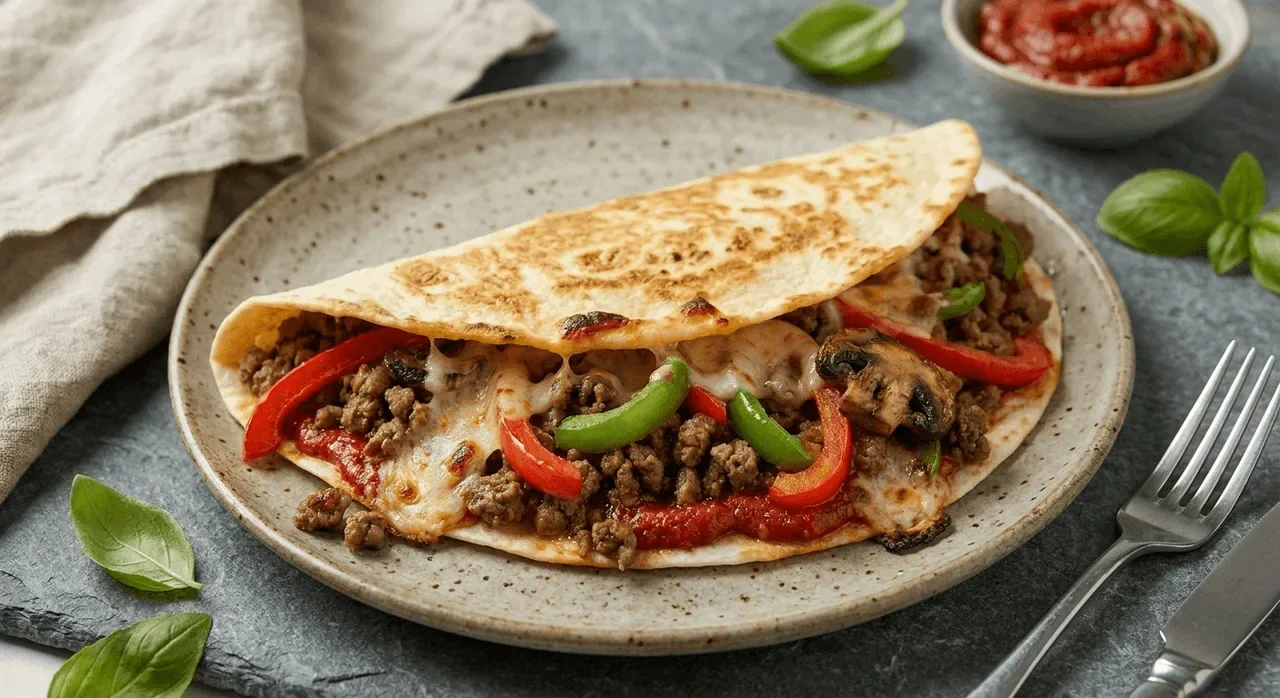
171g of protein across the plan · every macro published before you order.
Seven gentler meals for the days when nothing sounds good — lighter in fat, simpler in flavour, and small enough to finish. Protein is still the anchor, because the queasy weeks are exactly when it slips.
- Meals
- 7
- Avg protein
- 24g
- Avg calories
- 260
- The plan
- $90.65
Swap any meal or skip any week before the weekly cutoff · Delivered across Sydney, Melbourne & Brisbane · Food only — not a medicine and not medical advice.
Reduce the burden of the meal.
A large, hot, strongly scented or very rich meal can feel overwhelming when nausea is active. Begin by changing the amount, temperature, texture and richness rather than assuming every ingredient is permanently off limits.
Serve a smaller amount on a separate plate. Eat slowly and stop before discomfort. If the meal is tolerated and appetite remains, another small amount can be added later. This approach is different from trying to eat as little as possible: the objective is a manageable path back to adequate food and fluid.
Some people prefer cool or room-temperature food because it has less aroma. Others prefer warm soup or porridge. Neither is universally correct. Your own repeatable pattern matters more than a rigid online avoid list.
Foods that may be easier to trial.
These are options to test, not promised remedies. Start with a small amount, note what happened and avoid introducing several unfamiliar foods at once.
Cool, compact protein
Greek yoghurt, cottage cheese, a small amount of cold chicken, tofu or a clinician-approved nutrition drink can contribute protein without a large plate.
Plain carbohydrates
Toast, crackers, rice, oats, potato or a plain wrap may be easier for some people. Diabetes management can change the amount and timing that are appropriate.
Soft plants
Banana, stewed fruit, pumpkin, carrots, spinach, zucchini or blended soup offer softer textures than a large raw salad.
Small regular fluids
Water in small sips may be easier than a large glass. Fluid needs and suitable drinks vary with diabetes, kidney, heart and other health conditions.
A low-effort, unsettled-day structure.
A few spoonfuls of yoghurt with banana, or toast with egg if that feels comfortable.
A small bowl of chicken, tofu or lentil soup with crackers or rice.
Cottage cheese, yoghurt, fruit or a small clinician-approved nutrition drink if wanted.
A small serve of fish, chicken or tofu with mash and softly cooked vegetables.
This is not designed to be nutritionally complete for repeated days. If nausea repeatedly limits intake to this degree, contact the healthcare professional managing treatment rather than relying on an increasingly restricted menu.
Portion and richness often matter.
Some people report more discomfort after a large meal or food that is fried, greasy, very fatty, very sweet, heavily spiced or strongly scented. Alcohol can also affect symptoms and health risks. Carbonated drinks or large amounts of coffee may be uncomfortable for some people.
This is not a universal prohibition list. If a food is normally important in your diet, test a smaller portion or simpler preparation when appropriate rather than removing whole food groups without advice.
Do not add supplements, herbal remedies or high-dose ginger products simply because they are promoted online. Supplements can interact with health conditions or medicines; ask a pharmacist, prescriber or dietitian who knows your circumstances.
Record four useful details.
A short symptom record can make a clinical conversation more useful. Record only what helps:
- Food and approximate amount. “Half a chicken wrap” is more informative than “lunch”.
- Time and medicine context. Note timing without changing a dose or schedule yourself.
- Symptom and duration. Nausea, reflux, vomiting, pain, constipation or early fullness are different problems.
- Fluids and urine changes. Difficulty drinking, dizziness or very dark urine can indicate that dehydration needs attention.
Change one meal variable at a time where practical. If symptoms are worsening, do not delay professional advice merely to complete a food experiment.
Persistent symptoms need review.
Contact the healthcare professional managing treatment when nausea, vomiting, diarrhoea or constipation persists, worsens, repeatedly disrupts meals, or makes it difficult to maintain food and fluids. Do not change or stop a prescribed medicine based on this page.
Know the limits of food advice.
Seek urgent medical care for severe or persistent abdominal pain, signs of a serious allergic reaction, or any urgent symptom listed in the current Consumer Medicine Information. Repeated vomiting, faintness or inability to keep fluids down also needs prompt assessment.
Use the guide for the medicine prescribed.
For a complete weekly framework, use the GLP-1 meal plan. Brand-specific information is separated into the Ozempic meal plan, Wegovy diet plan, Mounjaro diet plan and Saxenda diet plan. Approved indications differ even when two brands contain the same active ingredient.
GLP-1 nausea food questions, answered.
What can I eat when a GLP-1 medicine makes me feel nauseous?
Some people find a small amount of cooler, blander or lower-fat food easier, such as yoghurt, toast, crackers, rice, soup, eggs or banana. Tolerance is individual, and persistent vomiting or inability to maintain fluids needs medical advice.
Should I skip meals when I have GLP-1 nausea?
Do not force a large meal, but ongoing inability to eat enough is not a desirable treatment outcome. Small, nutrient-containing amounts may be easier. Contact the healthcare professional managing treatment if low intake persists.
What drinks are useful with GLP-1 nausea?
Small regular sips of water may be easier than a large drink. Individual medical conditions can change fluid needs. Repeated vomiting, dizziness, very dark urine or inability to keep fluids down requires prompt clinical advice.
When is GLP-1 nausea an emergency?
Seek urgent help for severe or persistent abdominal pain, signs of a serious allergic reaction, or other urgent symptoms in the Consumer Medicine Information. Promptly contact a clinician if vomiting or diarrhoea prevents normal fluid intake.
- TGA: GLP-1 and dual GIP/GLP-1 receptor agonist safety update.
- Multidisciplinary recommendations for gastrointestinal adverse events with GLP-1 receptor agonists.
- Joint advisory: nutritional priorities to support GLP-1 therapy for obesity.
Primary Australian medicine sources were checked first. This guide has not been represented as individual clinical review; see the editorial policy for sourcing, corrections and review status.
Important: General food information only, not medical or dietetic advice. Preptide is independent of medicine manufacturers and does not prescribe, sell or recommend prescription medicines. Consult the healthcare professional managing treatment and read the current Consumer Medicine Information. See our Health Acknowledgement.