
Fresh vs frozen GLP-1 meals: how to choose.
If your appetite is smaller than it used to be — because you're using a GLP-1 medication such as Ozempic or Mounjaro, or simply because big plates have lost their appeal — a ready meal has one job: be something you'll want to eat, in a portion you can finish. Fresh and frozen meals can both do that job. This guide compares them criterion by criterion, including the situations where frozen is the better call. It's general food information; your prescriber or an Accredited Practising Dietitian can advise on your own needs.
PUBLISHED 24 SEPTEMBER 2026 · LAST UPDATED 24 SEPTEMBER 2026 · PREPTIDE EDITORIAL TEAM
Food for your plan — not medicine. No prescription required. Not affiliated with any medication maker, and not medical advice.
High-protein ready meals, portioned for a smaller appetite. Cooked in our Australian kitchen and delivered chilled each week across Sydney, Melbourne and Brisbane.
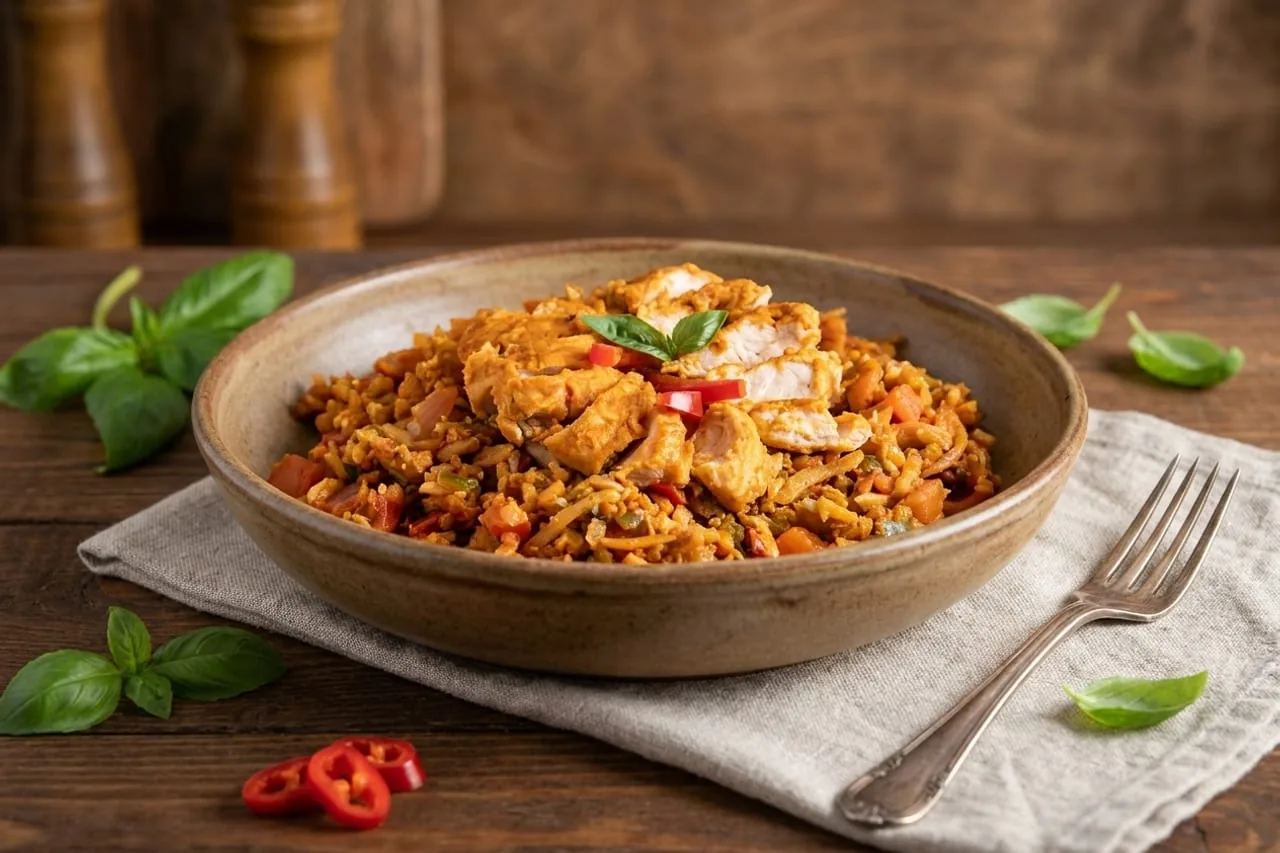
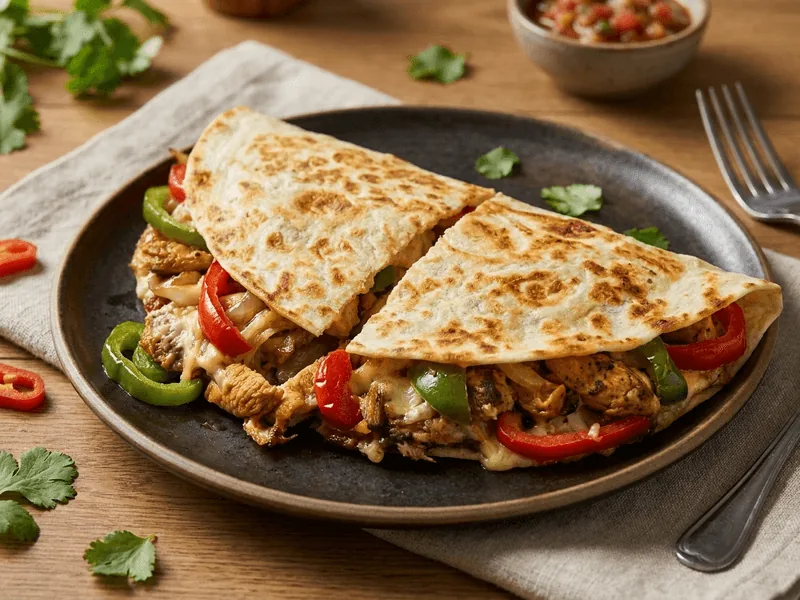 Tex Mex Chicken Fajita400 cal · 49g protein
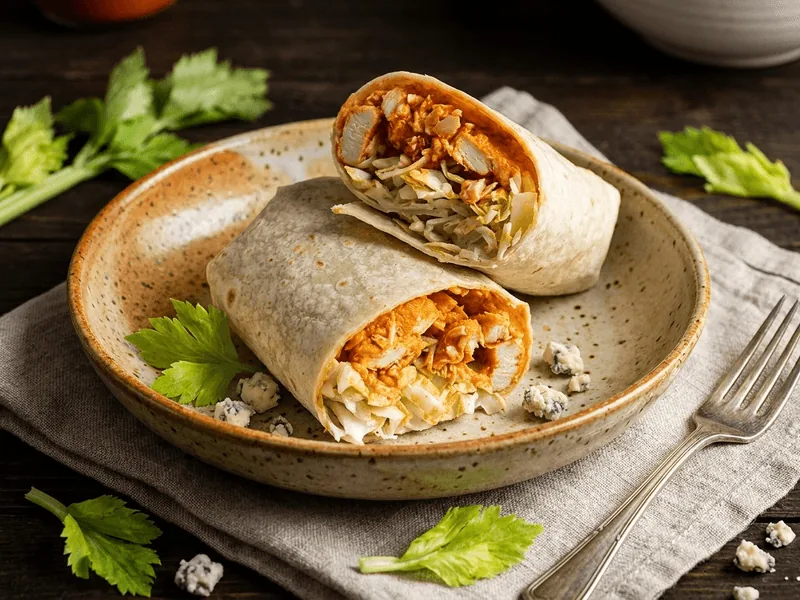 Peri Peri Chicken Wrap397 cal · 41g protein
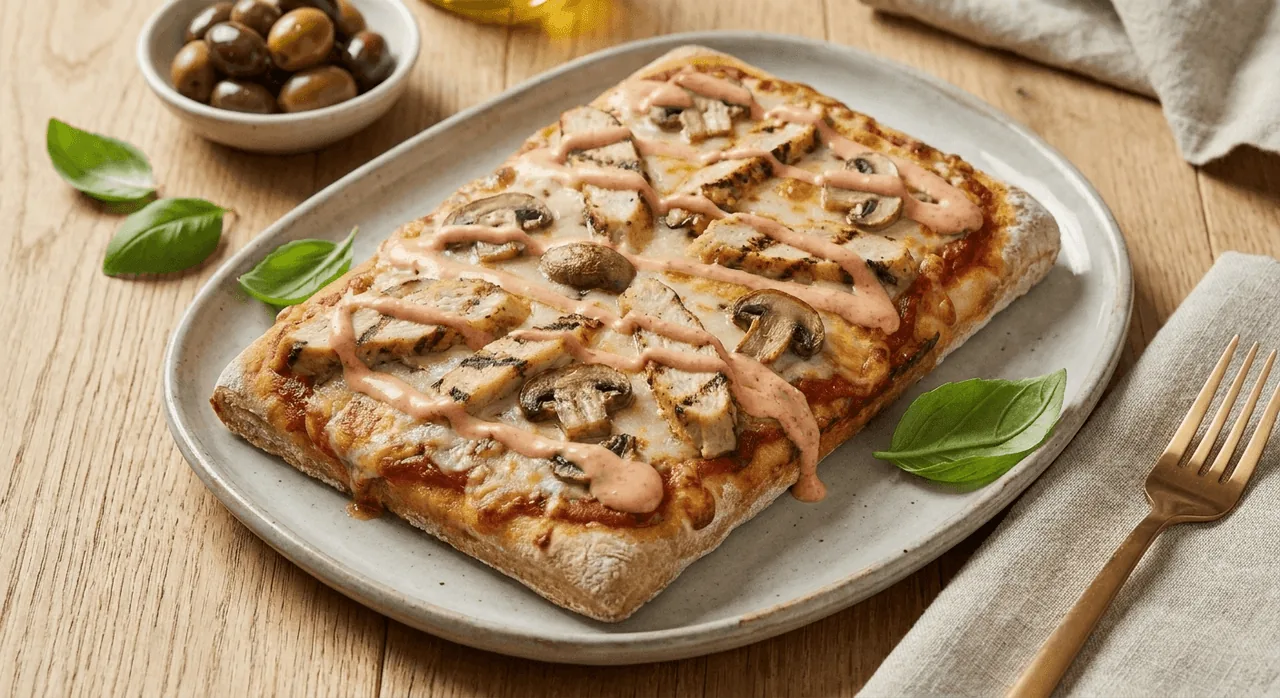
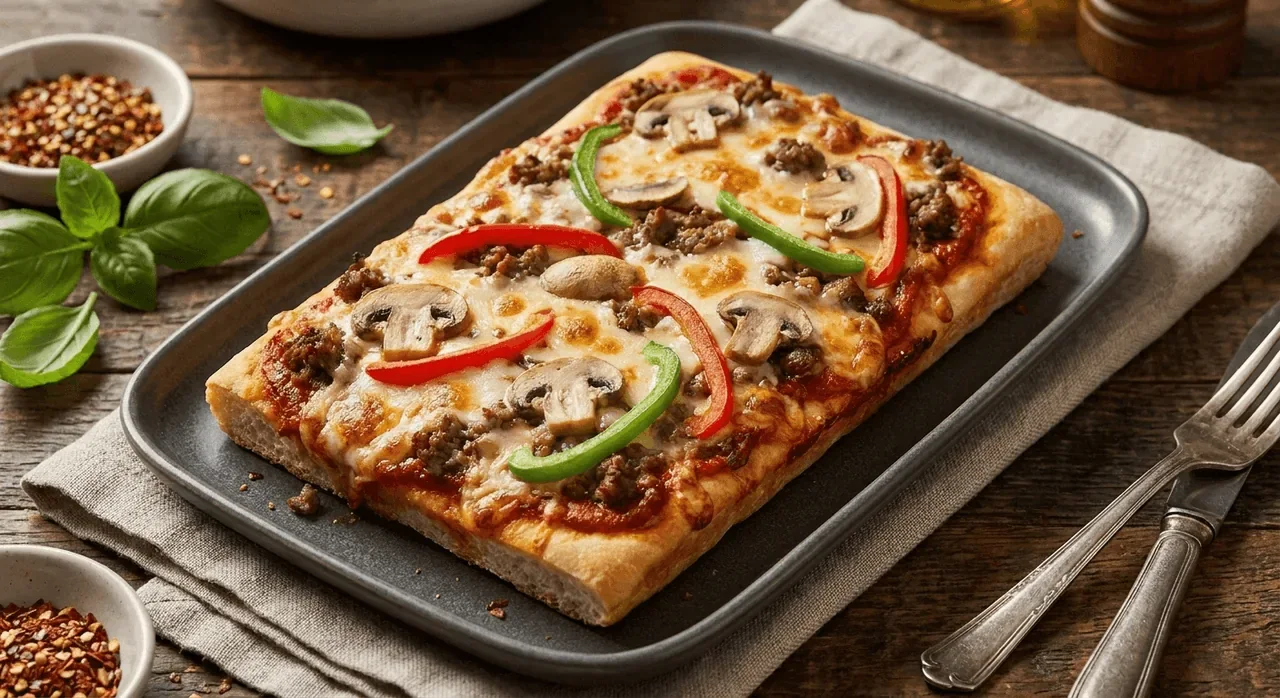 High Protein Supreme Pizza412 cal · 35g protein
7 meals from $90.65 ($12.95 each) free delivery · 14+ meals $12.30 each · 21+ meals $11.65 each
- Skip, pause or cancel
- Min 7 meals
- SYD · MEL · BNE
- Food, not medicine
Neither wins for everyone.
Fresh chilled meals tend to win on texture after reheating and on fitting a weekly routine. Frozen meals win on storage life, stocking up and reaching more postcodes.
For a smaller appetite, the storage method matters less than three other things: whether the portion suits you, how much protein each serve carries, and whether you'll realistically eat the meal before its date — or remember it's in the freezer at all. Keep those three in mind as you read the criteria below.
Texture keeps you eating.
You care how a meal tastes after reheating, you like planning one week at a time, and you have more fridge space than freezer space.
Flexibility comes first.
You're outside a fresh delivery area, your week is hard to predict, or you want a stock of meals you can draw on for months.
You want a safety net.
Fresh meals for most days, plus a few frozen or pantry backups for the weeks when plans change, covers both sides.
The GLP-1 Meal Delivery Plan · updated 23 September 2026
GLP-1 meal delivery, starting with this week’s plan.
The 7 meals in this plan
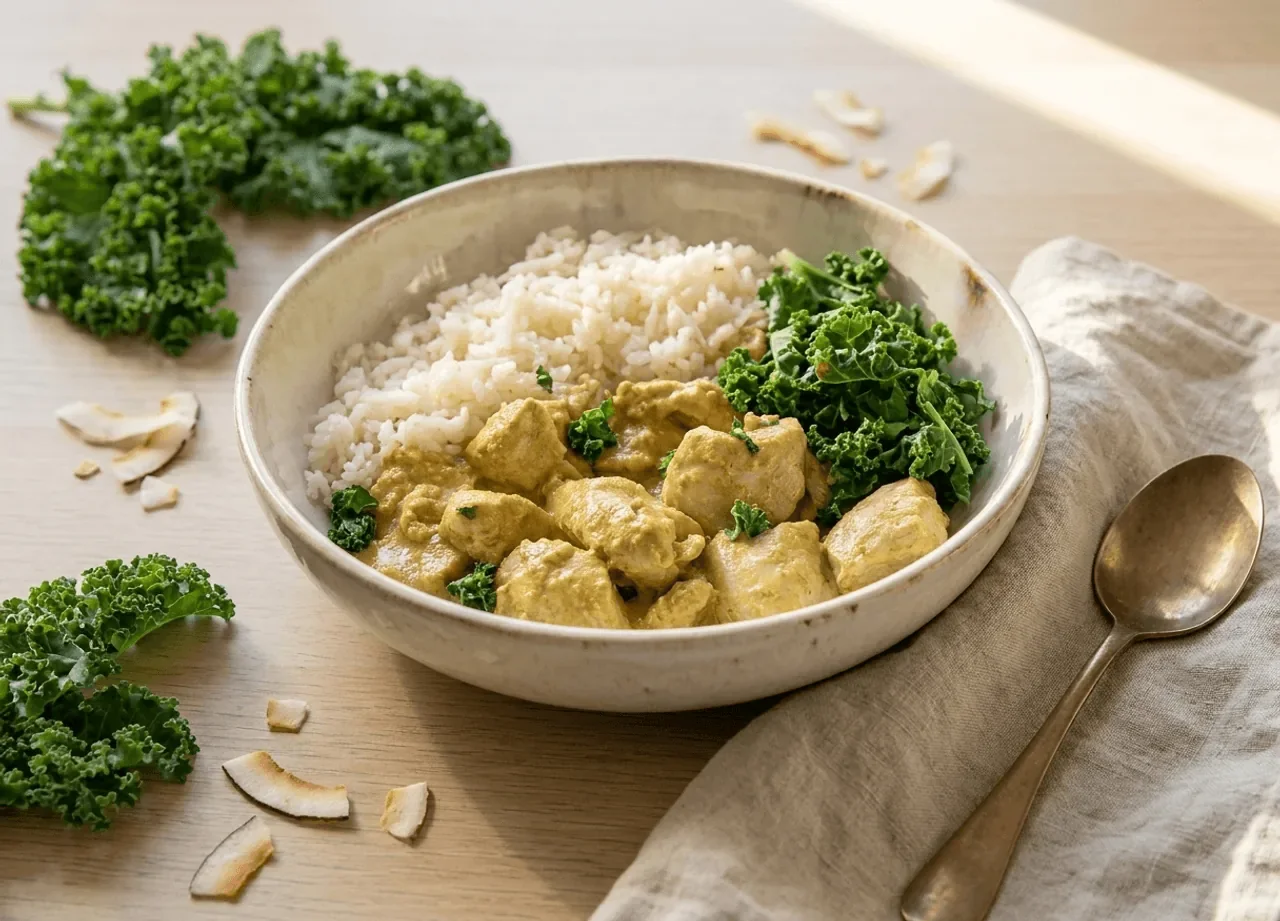
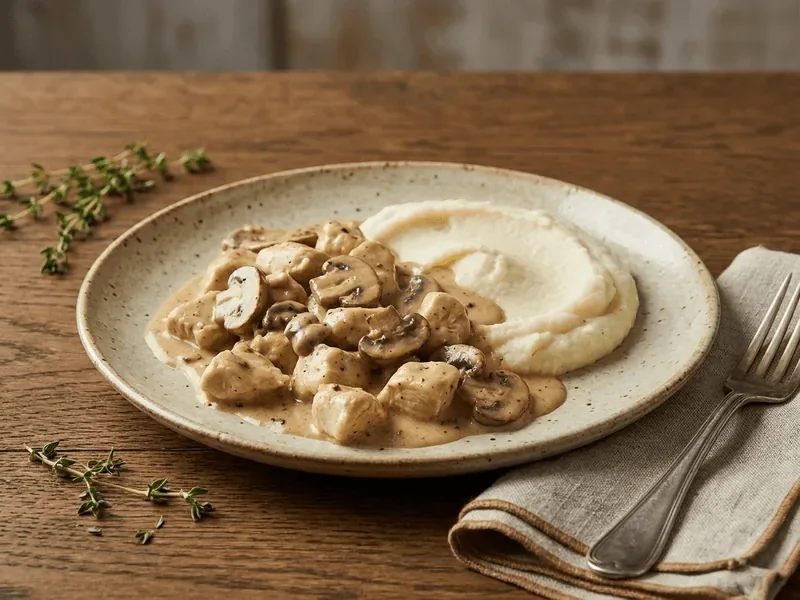
252g of protein across the plan · every macro published before you order.
Australia’s GLP-1-specific meal delivery, pre-built into a seven-meal plan for a smaller appetite. Delivered weekly across Sydney, Melbourne and Brisbane — skip any week, swap any meal until cutoff.
- Meals
- 7
- Avg protein
- 36g
- Avg calories
- 380
- The plan
- $90.65
7 meals · $12.95 each · $90.65 free delivery. 14+ meals $12.30 each · 21+ meals $11.65 each — every meal in your box is charged at the tier you reach.
- Skip, pause or cancel
- Min 7 meals
- SYD · MEL · BNE
- Food, not medicine
Three phases, one menu
How it works
- PickTake this plan or build your own box — minimum 7 meals.
- We cook + deliverCooked in our Australian kitchen, delivered chilled on your area’s delivery day.
- Heat + eatAbout three minutes to heat. Skip, pause or cancel before each weekly cutoff.
Ten things to compare, side by side.
These are general patterns, not rules — services vary a lot within each format. Use the right-hand column to check any service you're considering, including ours.
| Criterion | Fresh (chilled) | Frozen | What to check with any service |
|---|---|---|---|
| Texture and taste after reheating | No freezing step, so vegetables, sauces and grains usually stay closer to how they were cooked. | Soups, curries, stews and braises often freeze well. Crisp vegetables, some sauces and rice can soften, split or dry out. | Reheating instructions, and whether the menu leans on dishes that reheat well. |
| Portion size for a small appetite | Set by the service, not the storage method. | Also set by the service. Some ranges are portioned for a typical appetite. | Calories per meal, serve size, and whether smaller options exist. |
| Protein per serve | Depends on the recipe. | Depends on the recipe — freezing doesn't meaningfully change the protein in a meal. | Grams of protein per meal, visible before you order. |
| Storage and space | Needs fridge room for everything in each delivery. | Needs freezer room — a bulk order can fill a standard freezer quickly. | How many meals arrive at once, and the size of each pack. |
| How long they last | Days rather than months. Eat each meal by the use-by date on its label. | Much longer, usually months, when kept frozen as the pack directs. | The date mark and storage directions on the label. |
| Ordering rhythm and flexibility | Usually a weekly order with a cutoff, so skip and pause options matter. | Order less often and keep a stock, with less week-to-week admin. | Minimum order, cutoff times, and how easily you can skip, pause or cancel. |
| Variety | Choosing each week makes it easy to rotate dishes as your tastes and appetite change. | A stock can mean the same few dishes for a while, unless you order a wide mix. | How many options sit in the portion size you'll actually eat. |
| Reheating convenience | Heats quickly, straight from the fridge. | Often needs longer heating, and some packs ask you to thaw first. | Microwave and oven instructions, and whether the container is microwave-safe. |
| Cost | Delivery fees and minimum orders come around every week you order. | Bulk orders can spread delivery costs, but you pay upfront for meals you'll eat later. | Price per meal, delivery fee, free-delivery threshold and minimum order — plus anything that ends up thrown out. |
| Packaging and waste | Has to stay cold in transit, which typically means insulated packaging each delivery. | Has to stay frozen in transit, which also typically means insulated packaging. | What the packaging is made of, and whether it can go in your recycling bin. |
One pattern runs through the whole table: with a smaller appetite, the meal you finish is the one that counts. Fresh or frozen, a portion that's too big, a flavour you're tired of or a meal that's past its date ends up in the bin, along with the money and protein it carried. If portion size is the sticking point, our GLP-1 portion guide covers how much to plate and why.
When frozen is the better choice.
Frozen ready meals suit plenty of people, and for some they're clearly the more practical option. If any of these describe you, choose a frozen range on the same terms you'd judge anything else: serve size, protein per meal and how much you'll realistically eat.
Chilled food needs a short, cold trip from kitchen to door, so fresh services — including ours — deliver to a limited set of postcodes. Frozen meals can travel further.
Travel, shift work or an appetite that comes and goes can make a week of fresh meals hard to use on time. A freezer stock waits for you.
A few frozen meals are an easy fallback for days when cooking, shopping or ordering isn't realistic.
Stocking up once and drawing it down suits some people better than a weekly cycle — and if your freezer has more room than your fridge, that's a fair reason on its own.
When fresh suits better.
Fresh isn't automatically better. It tends to suit people for whom eating is the hard part, rather than storage or logistics.
Easier to finish.
When appetite is small, a meal that tastes and feels freshly cooked is easier to get through. Chilled meals skip the freezing step, so they're more likely to reheat close to how they were made.
Adjust every week.
Choosing meals each week lets you change how many you order, and which portion size, as your appetite shifts — rather than working through a stock bought for last month's appetite.
Harder to forget.
Some people find frozen meals drift to the back of the freezer. A fridge holding this week's meals, each with a use-by date, is harder to overlook.
Know when it was cooked.
Ask any fresh service when its meals are cooked relative to delivery. Ours are cooked after the weekly order cutoff, then chilled and delivered.
Fresh, chilled and weekly.
Preptide meals are fresh, never frozen. They're cooked in our Australian kitchen after your weekly order locks, chilled rather than frozen, and delivered in insulated packaging on your area's delivery day across Sydney, Melbourne and Brisbane metro. A tracking link arrives the day before.
Refrigerate the meals when they arrive, follow the storage and use-by guidance on each label, and heat each one in about three minutes. Calories, protein, carbs and fat are shown for every meal before you order, and portions follow three phases: ON for the smallest, protein-first plates, TRANSITIONING for mid-sized plates as appetite returns, and MAINTENANCE for fuller everyday serves.
Orders start at 7 meals, and every meal in an order is charged at one tier price: $12.95 each from 7, $12.30 from 14 and $11.65 from 21. Delivery is a flat $9 per weekly order, free once your meals reach $0 before any promo code. It's a weekly subscription you can skip, pause or cancel before each cutoff — the delivery page has the detail and a postcode check.
The honest trade-off: fresh needs a tight delivery footprint. If you're outside our areas, or you want a freezer stock that lasts for months, a frozen service is a reasonable choice — and the checklist below works for any service.
Eight questions to ask any meal service.
Can you see calories and protein for each meal before you order?
Is there a smaller portion option for the weeks when your appetite is lowest?
What's the date mark — use-by or best-before — and will you realistically eat the order in time?
Where will it all go? Count the meals per delivery against your fridge or freezer space.
What does a normal week cost, including delivery, the minimum order and any free-delivery threshold?
Can you skip, pause or cancel online without a phone call, and when is the cutoff?
Are ingredients and allergens listed for every meal?
Does the service describe its meals as food, without promising weight-loss or medical outcomes?
Want the fuller framework? See how to compare GLP-1 meal delivery services and our buyer's guide to GLP-1 meal delivery in Australia. For the food itself, protein on a GLP-1 and high-protein small meals go deeper, and GLP-1 meal delivery explains how our weekly service runs.
Questions, answered.
Are fresh meals healthier than frozen meals?
Not automatically. Freezing doesn't meaningfully change a meal's protein or calories — the recipe does. The practical differences are texture after reheating, how long the meal lasts and how it fits your week, so compare the nutrition panel rather than the storage method.
Do frozen meals work for a GLP-1 appetite?
They can, if the portions are small enough and the protein per serve is clear. Some frozen ranges are portioned for a typical appetite, so check calories and serve size, and be honest about whether you'll eat them. Your prescriber or an Accredited Practising Dietitian can help with your specific needs.
How long do fresh ready meals last in the fridge?
It varies by meal, so go by the use-by date on each label rather than a general rule, and keep the meals refrigerated. Chilled ready meals are made to be eaten within days, not months. Preptide meals should go in the fridge on arrival and be eaten by their use-by date.
Can I keep a few frozen meals as a backup?
Yes. A small backup stock of frozen or pantry meals can be useful for weeks when plans change. Fresh meals for most days and a few backups for the gaps is a reasonable middle path.
Does Preptide sell frozen meals?
No. Preptide meals are fresh, never frozen: cooked in our Australian kitchen, chilled and delivered weekly across Sydney, Melbourne and Brisbane metro. If you're outside those areas, a frozen service may be the more practical choice.
Which costs less, fresh or frozen?
It depends on the service. Compare the price per meal you'll actually eat, plus delivery fees, minimum orders and any free-delivery threshold. Food that goes uneaten costs the same as food you eat, so a realistic portion matters as much as the price.
Food you'll want to finish, delivered chilled.
Preptide is food, not medication. This page is general food information, not medical or dietetic advice. Always follow the storage and use-by directions on a product's label. Questions about your diet or medication are for your prescribing doctor or an Accredited Practising Dietitian. Preptide is not affiliated with, or endorsed by, the makers of any GLP-1 medication. Read our full Health Acknowledgement →