
High-protein small meals for a low appetite.
When a full plate feels like too much — because of a GLP-1 medication, a naturally small appetite or simply a slow week — each meal has to carry more of the load. This guide covers why leading with protein helps when portions shrink, what a small but complete meal looks like, real examples from the Preptide menu with their macros, and practical ways to eat on low-appetite days. It's general food information; your prescriber or an Accredited Practising Dietitian can set targets for you.
PUBLISHED 24 SEPTEMBER 2026 · LAST UPDATED 24 SEPTEMBER 2026 · PREPTIDE EDITORIAL TEAM
Food for your plan — not medicine. No prescription required. Not affiliated with any medication maker, and not medical advice.
High-protein ready meals, portioned for a smaller appetite. Cooked in our Australian kitchen and delivered chilled each week across Sydney, Melbourne and Brisbane.
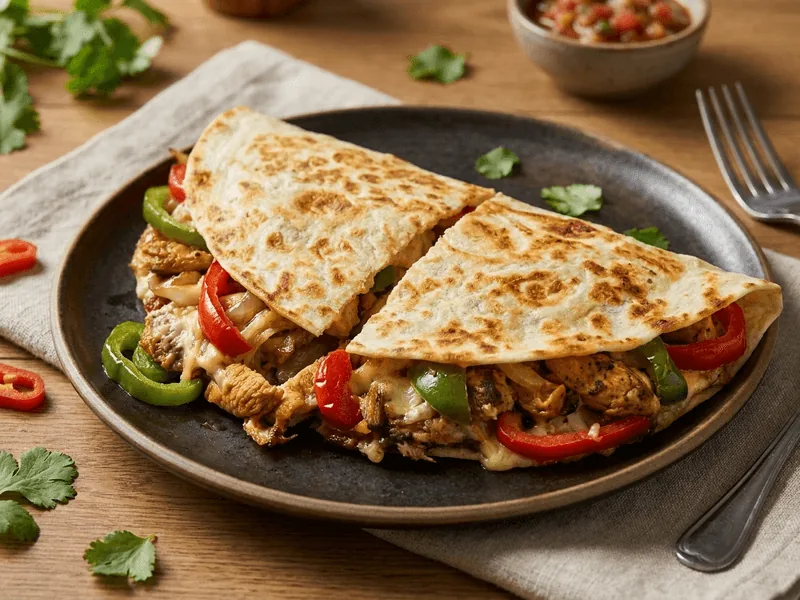 Tex Mex Chicken Fajita400 cal · 49g protein
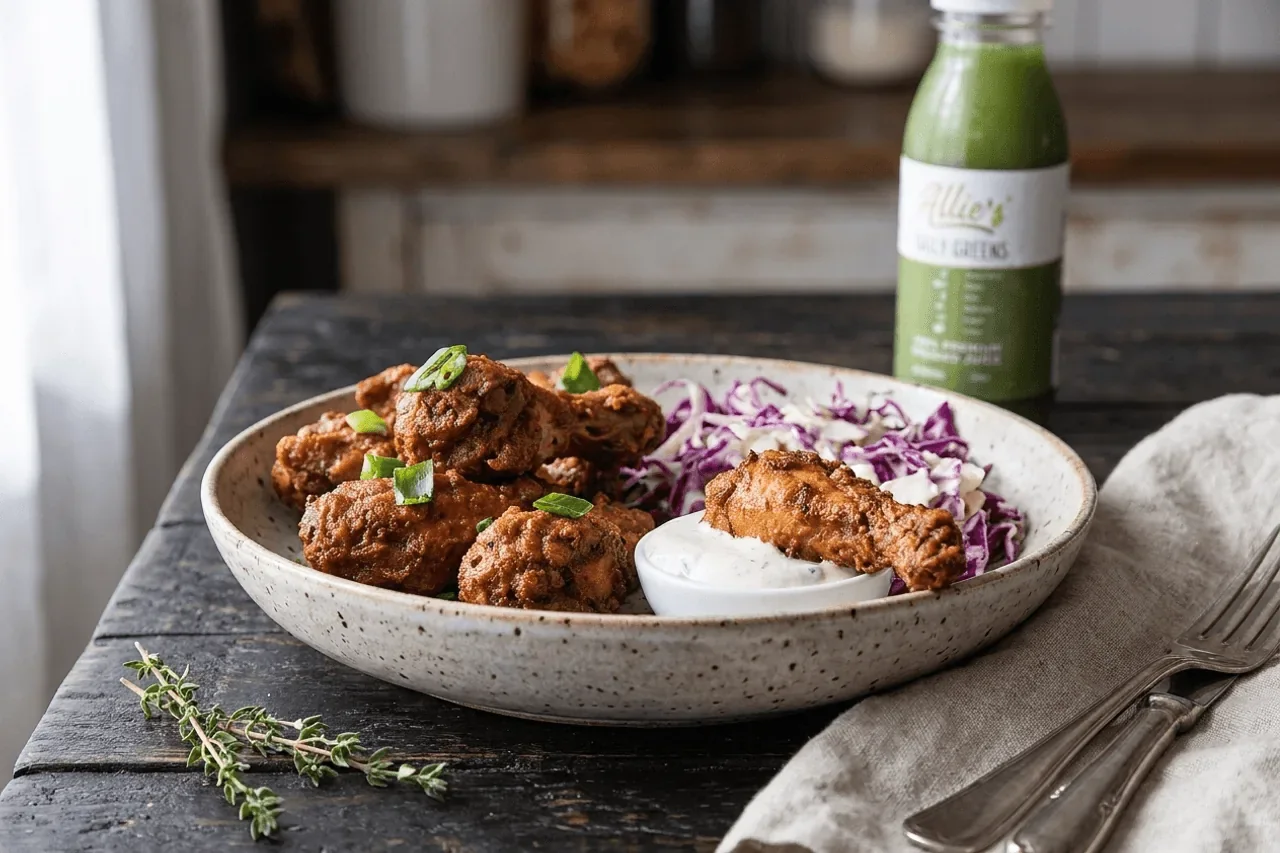 Buffalo Chicken with Summer Slaw342 cal · 34g protein
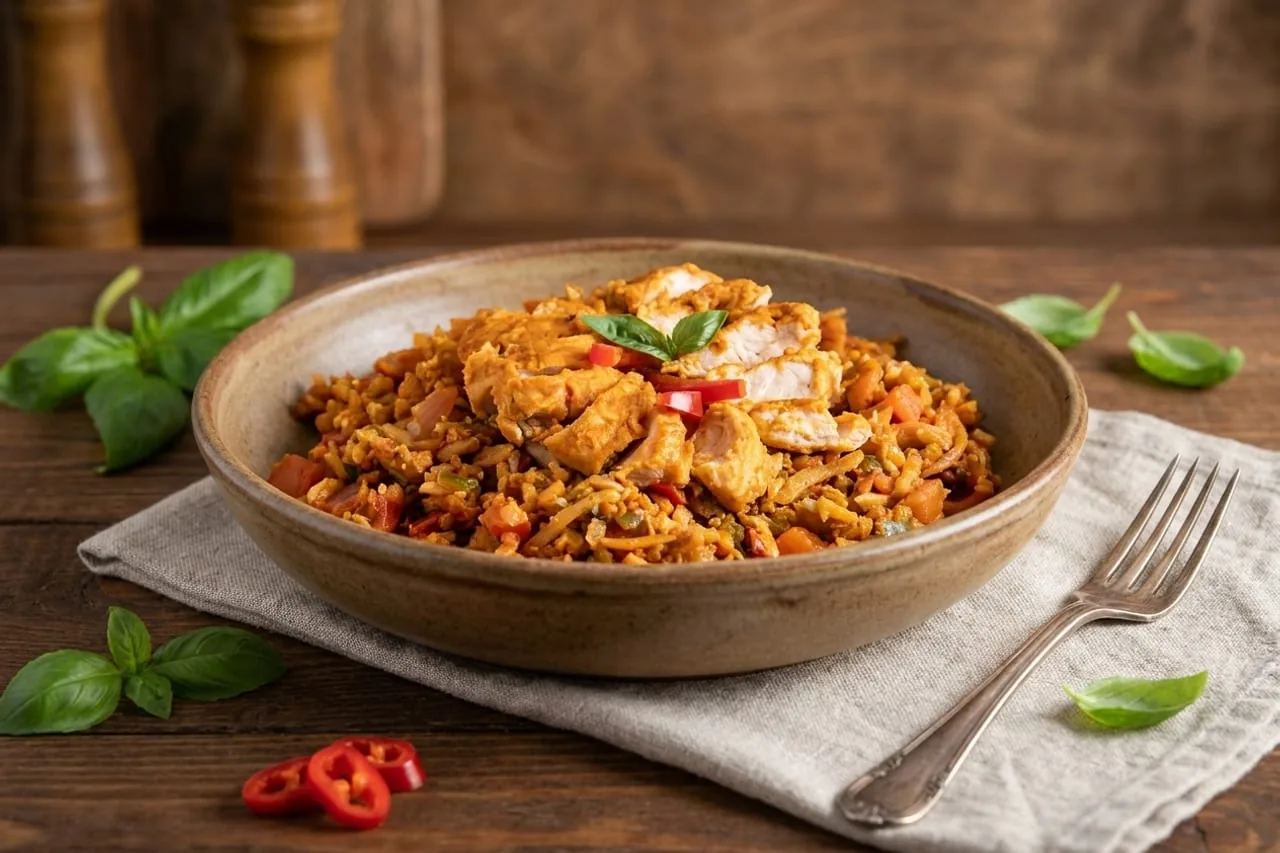 Peri Peri & Spanish Rice328 cal · 29g protein
7 meals from $90.65 ($12.95 each) free delivery · 14+ meals $12.30 each · 21+ meals $11.65 each
- Skip, pause or cancel
- Min 7 meals
- SYD · MEL · BNE
- Food, not medicine
Why protein leads when portions are small.
On a smaller plate there's less room for everything, so the order you eat in starts to matter. If the first half of a meal is bread, rice or a rich sauce, fullness can arrive before the protein does — and protein is the part many people find hardest to make up later in the day. Starting with it means the most important part of the meal is already eaten if you stop early.
That's also why a small meal should be protein-dense rather than just small. A modest serve built around chicken, fish, eggs, yoghurt, tofu or legumes carries more protein than a larger plate that's mostly filler.
How much protein you need depends on your body, your activity and your health, so this guide doesn't set a number. Our guide to protein on a GLP-1 explains the targets clinicians commonly use and how to work out your own with your healthcare team.
Multiply a meal's grams of protein by four. That's roughly how many of its calories come from protein.
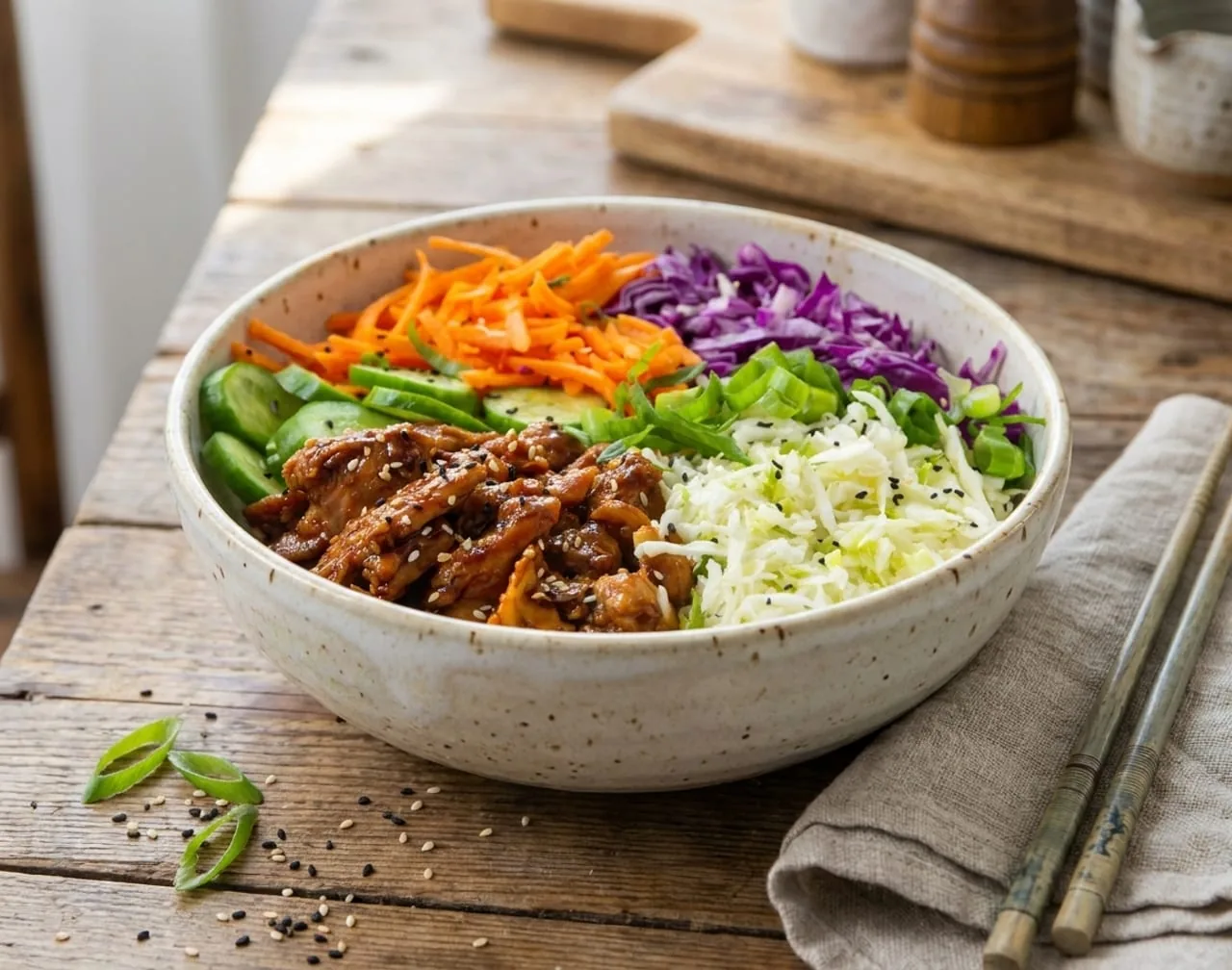
The Light Teriyaki Poke on our menu has 30g of protein in 184 calories: 30 × 4 is about 120 of those 184 calories. That's a lot of protein in a small bowl.
The Small-Plate Protein Plan · updated 26 September 2026
High-protein small meals, ready to order.
The 7 meals in this plan
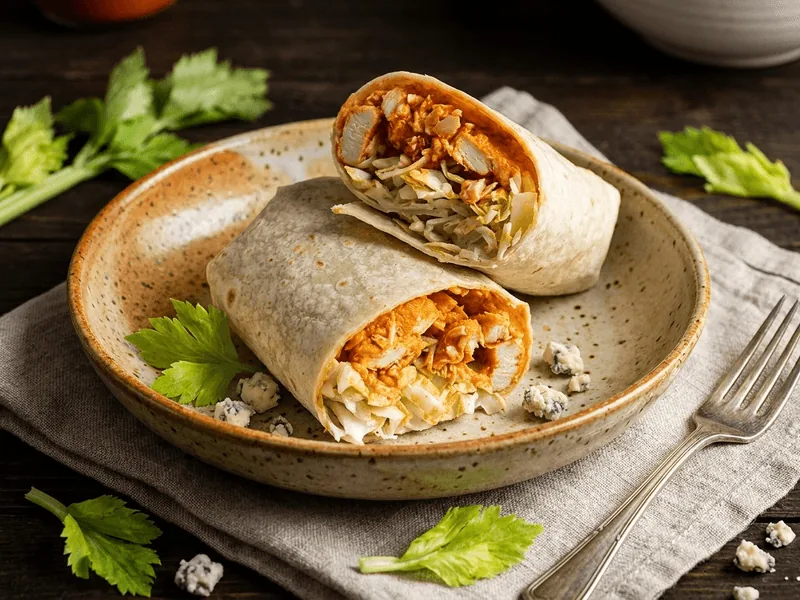
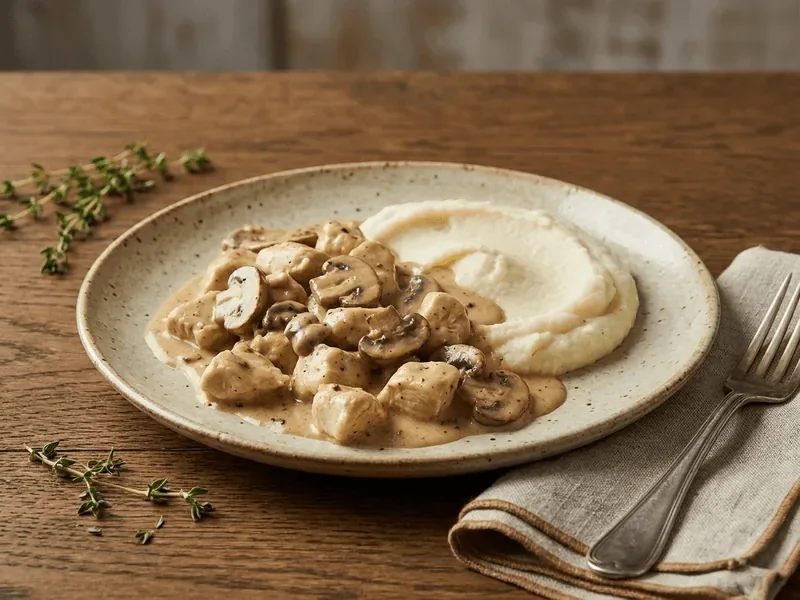
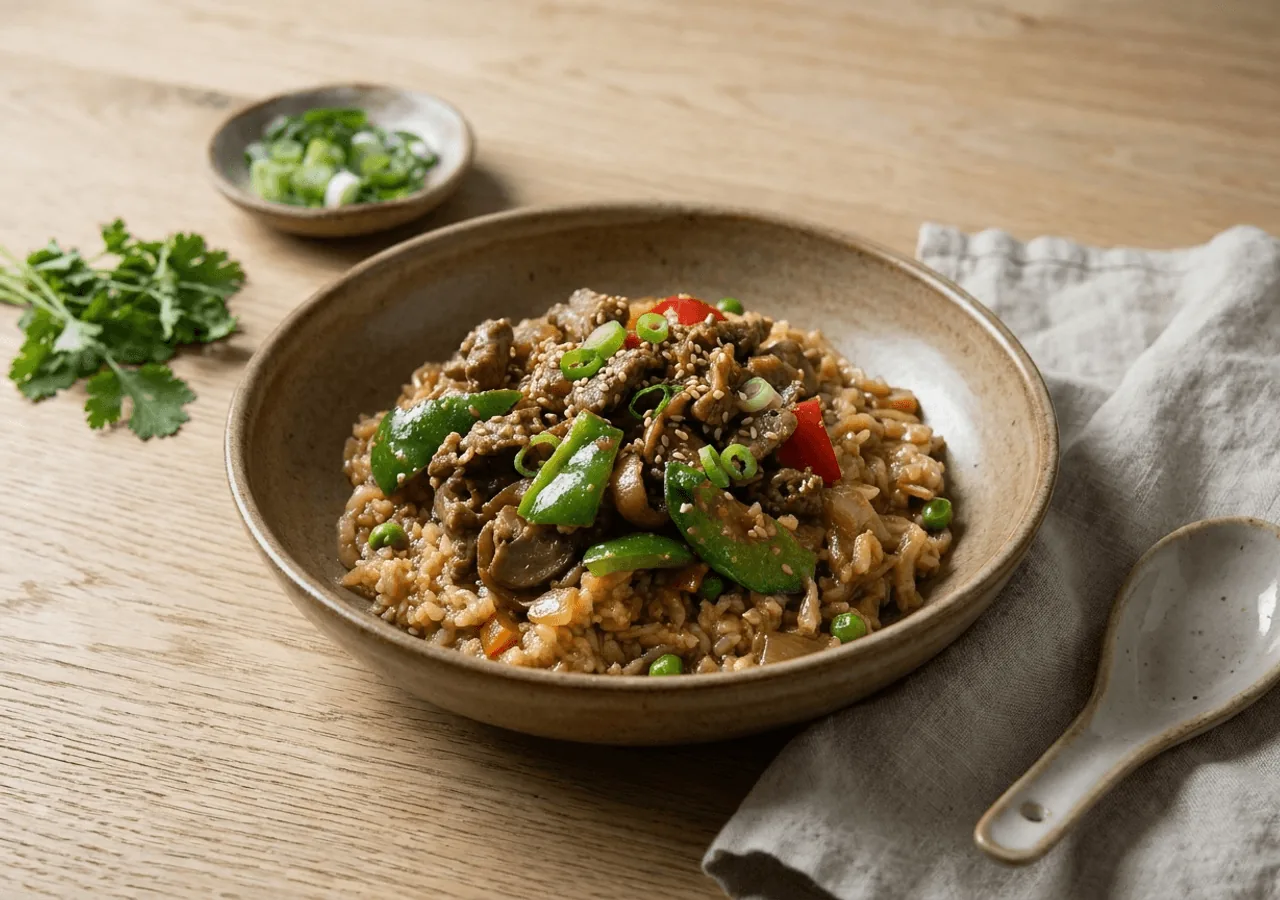
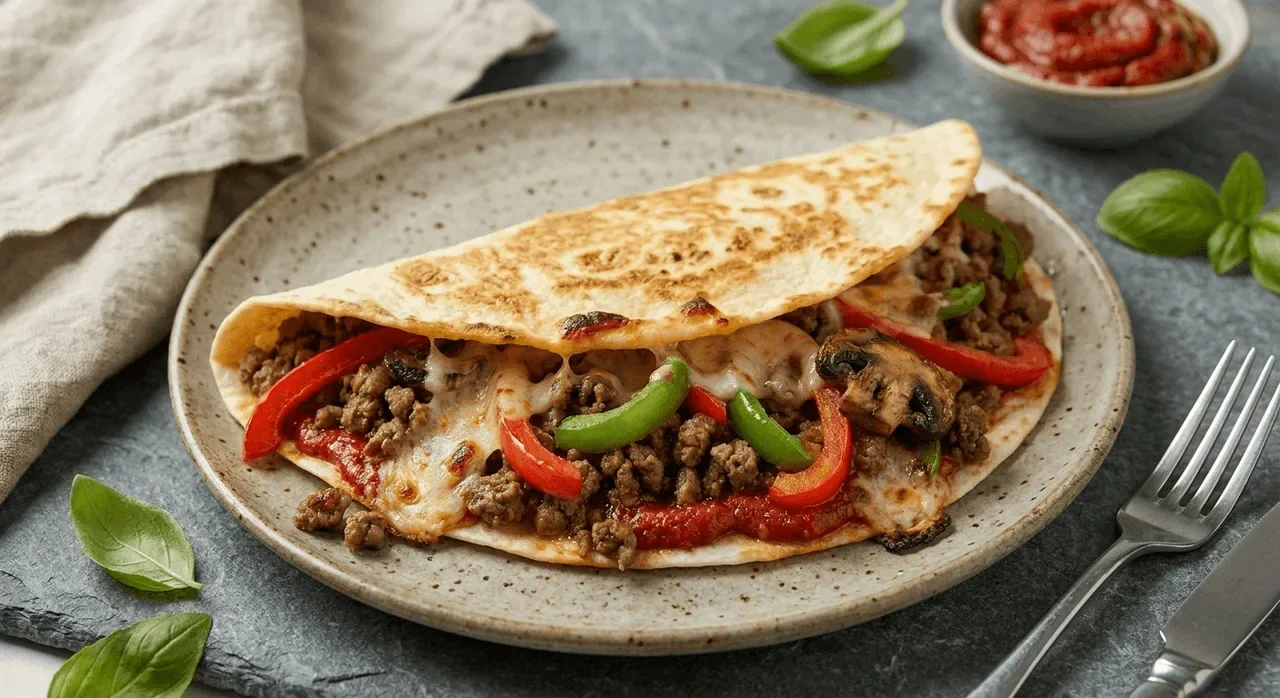
234g of protein across the plan · every macro published before you order.
Seven of our most protein-dense small serves — the protein arrives in the first few bites, and every plate is sized to finish. Every macro published before you order.
- Meals
- 7
- Avg protein
- 33g
- Avg calories
- 333
- The plan
- $90.65
7 meals · $12.95 each · $90.65 free delivery. 14+ meals $12.30 each · 21+ meals $11.65 each — every meal in your box is charged at the tier you reach.
- Skip, pause or cancel
- Min 7 meals
- SYD · MEL · BNE
- Food, not medicine
Three phases, one menu
How it works
- PickTake this plan or build your own box — minimum 7 meals.
- We cook + deliverCooked in our Australian kitchen, delivered chilled on your area’s delivery day.
- Heat + eatAbout three minutes to heat. Skip, pause or cancel before each weekly cutoff.
What a small meal still needs.
Smaller doesn't have to mean incomplete. The same building blocks as a normal plate, in quantities that fit.
Start here.
A clear protein: chicken, fish, beef, eggs, yoghurt, tofu or legumes. It's the part of the meal to eat first.
Add colour.
Some vegetables or other fibre for colour, texture and balance. Cooked, softer vegetables can be easier than a big raw salad when appetite is low.
Keep it modest.
A smaller serve of rice, potato, noodles or a wrap — or a lower-carb swap such as cauliflower rice or konjac noodles — rounds out the meal without crowding the protein.
Make it appealing.
A sauce or seasoning you genuinely enjoy. When eating feels optional, a meal you look forward to is easier to finish.
You don't need a scale or an app. Look at the plate: an obvious protein, some vegetables, a modest serve of carbs. If those three are there, a small meal is still a well-rounded one — and if you only manage part of it, start with the protein. Our GLP-1 portion guide covers how much to plate in the first place.
Eight small, protein-forward meals from our menu.
Real examples from the Preptide menu at the time of writing, grouped by phase. ON has the smallest plates overall, but the fuller menus have lighter, protein-dense picks too. Menus change, so each meal's page shows its current details.
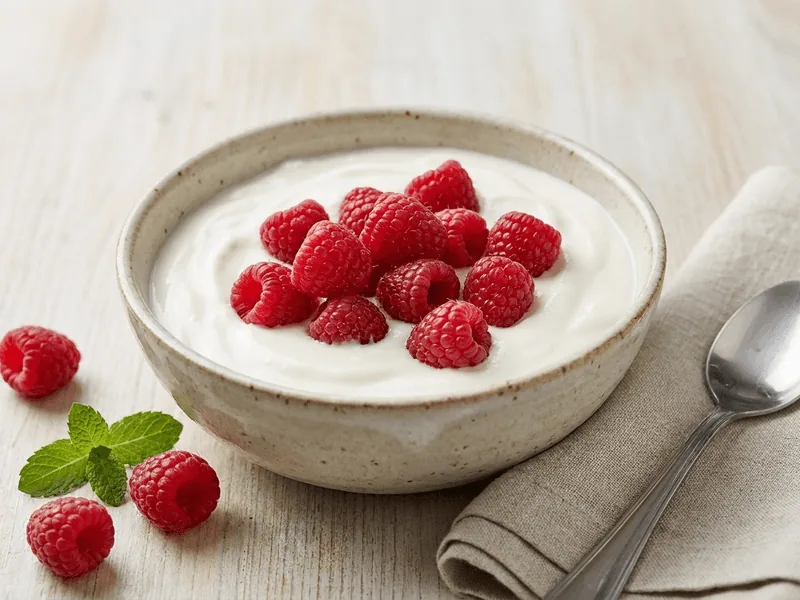
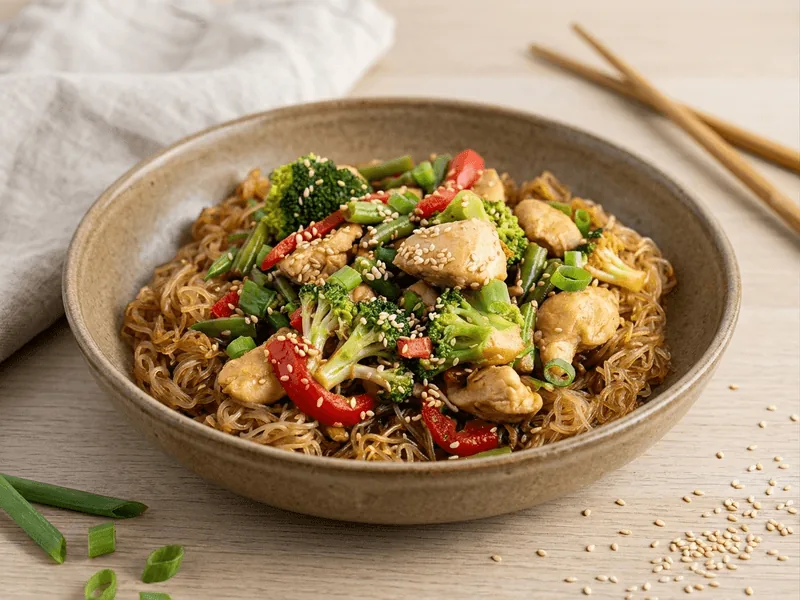
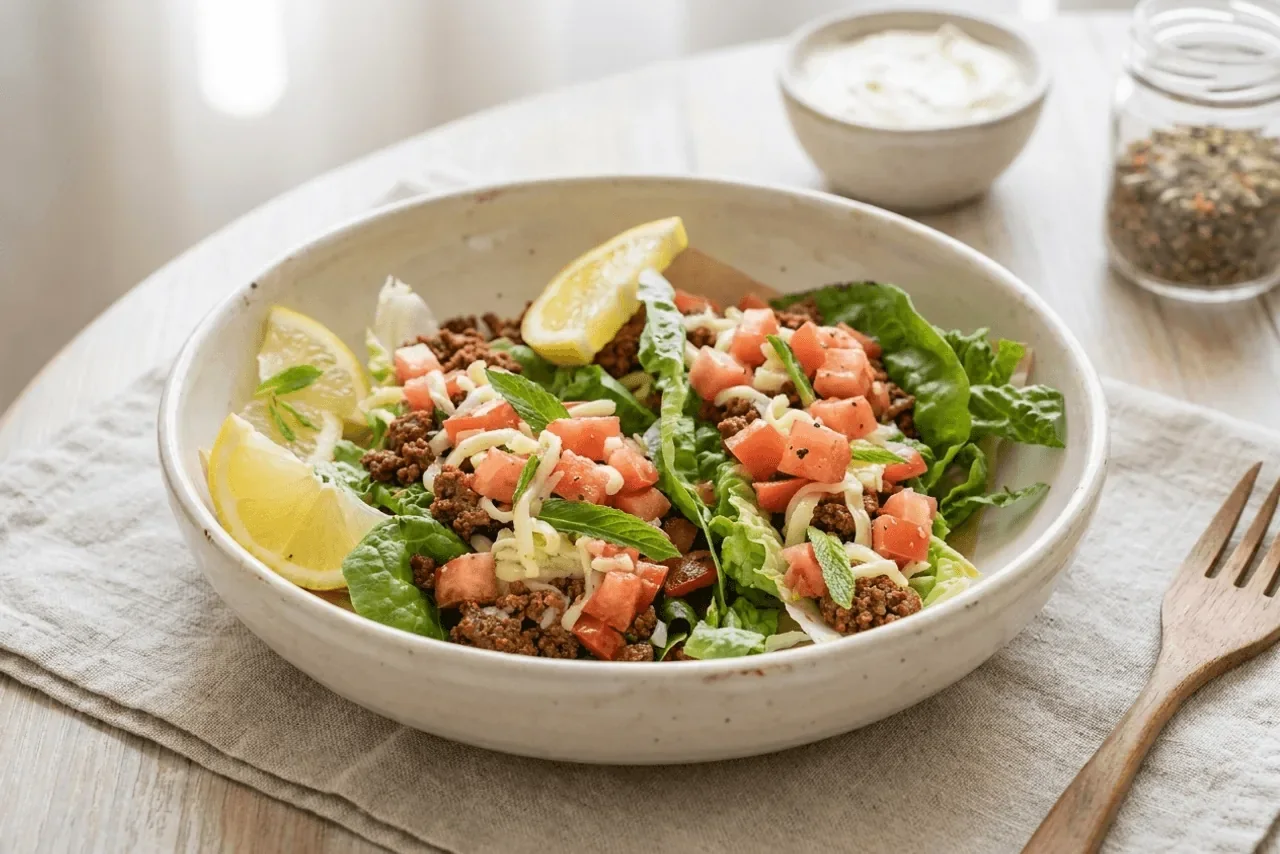
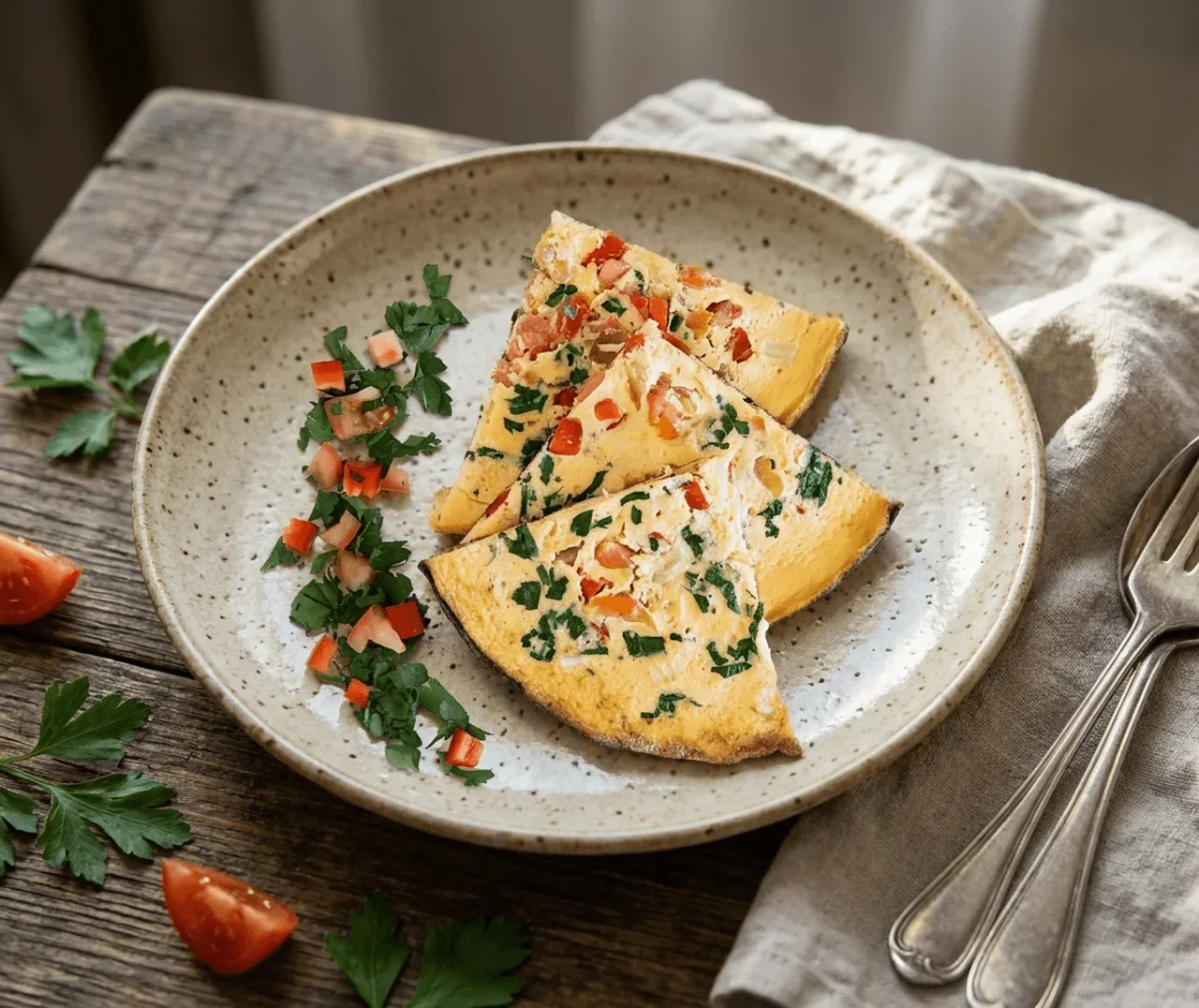
| Meal | Phase | Calories | Protein | Carbs | Fat | Protein share* |
|---|---|---|---|---|---|---|
| High Protein Yoghurt with Raspberries | ON | 166 | 27g | 13g | 3g | ~65% |
| Light Teriyaki Poke | ON | 184 | 30g | 11g | 3g | ~65% |
| Cheese & Vegetable Omelette | ON | 206 | 26g | 1g | 11g | ~50% |
| Teriyaki Chicken with Konjac | ON | 216 | 28g | 8g | 8g | ~52% |
| Seared Fish with Lemon Chive Sauce and Cauli Mash | ON | 313 | 34g | 3g | 18g | ~43% |
| Lettuce Cup Tacos | TRANSITIONING | 365 | 33g | 8g | 21g | ~36% |
| Tex Mex Chicken Fajita | TRANSITIONING | 400 | 49g | 11g | 16g | ~49% |
| Cheese & Veg Omelette (Plus) | MAINTENANCE | 281 | 36g | 1g | 15g | ~51% |
*Protein share is grams of protein × 4 ÷ calories, rounded — a rough way to compare meals, not a target. Values are per-serve figures from our menu at the time of writing; they can vary slightly between batches, and each meal page shows current values. Want more options? Browse every meal with 30g or more protein or every meal at 400 calories or under.
How to eat when you're not hungry.
Some days a full meal simply isn't going to happen. These habits help the food you do eat count.
Eat it first.
Start with the protein part of the meal. If you only manage half, you've had the half that matters most.
Split the day.
Two or three small eating occasions can be easier than one full meal. If a whole meal is too much, eat what's comfortable and refrigerate the rest promptly.
Go gentle.
On unsettled days, soups, eggs, yoghurt, fish and softly cooked vegetables are often easier than a big, rich or crunchy plate. Our nausea foods guide has more ideas.
Plan for low days.
Keep something you can eat without effort — a protein-forward yoghurt, eggs or a small ready meal — so a low day doesn't become a no-protein day.
Stop at comfortable.
Fullness signals take time to arrive. Eat slowly and stop when you're comfortable, not when the plate is empty. The portion guide explains why.
Get support.
If you're regularly eating very little, losing interest in food altogether, or struggling to keep food or fluids down, talk to your prescriber or an Accredited Practising Dietitian.
Match the plate to where you are.
Preptide organises its menu into three phases. The names describe the menu, not a medical stage — pick the one that matches your appetite now, and switch any time from your dashboard.
Appetite at its lowest
The smallest plates on the menu, protein-first, for the weeks when appetite sits lowest.
Appetite on the move
Mid-sized plates that bridge the gap between ON and MAINTENANCE as your appetite returns or changes.
Appetite settled
The fullest portions on the menu, still protein-led, for a steady weekly routine.
Not sure where to start? The 60-second quiz suggests a phase from your answers. Meals arrive fresh, never frozen — if you're weighing that up, see fresh vs frozen meals — and the delivery page covers areas, fees and the weekly cutoff.
Questions, answered.
What counts as a high-protein small meal?
There's no official definition. A practical one is a modest serve where protein makes up a large share of the calories, alongside some vegetables and a smaller serve of carbs. Multiplying the grams of protein by four gives a rough idea of how many of a meal's calories come from protein.
How much protein should a small meal have?
It depends on your body, activity and health, so there isn't one number for everyone. Our guide to protein on a GLP-1 explains the targets commonly used, and your prescriber or an Accredited Practising Dietitian can help you set yours.
What should I eat when I have no appetite?
Start small and lead with protein: a few spoonfuls of yoghurt, an egg, or part of a protein-forward meal. Softer, cooler or plainer foods are easier for some people on unsettled days, and our nausea foods guide has more ideas. If you're regularly struggling to eat or drink enough, talk to your doctor.
Are small meals enough to get through the day?
Several small meals and snacks can add up across a day, especially when protein shows up at each one. If your intake stays very low, or you're losing interest in food altogether, check in with your prescriber or an Accredited Practising Dietitian.
Which Preptide meals are the smallest?
The ON menu has the smallest plates. At the time of writing, examples include the High Protein Yoghurt with Raspberries (166 calories, 27g protein) and the Light Teriyaki Poke (184 calories, 30g protein). Each meal page shows current calories, protein, carbs and fat.
Can I switch phases if my appetite changes?
Yes. Change phase any time from your dashboard, and it applies to the next week that hasn't passed its cutoff. If you're not sure where to start, the 60-second quiz suggests a phase.
Meals sized for the appetite you have now.
Preptide is food, not medication. This page is general information, not medical or dietetic advice. Protein and energy needs vary by person, medication and dose. A persistently low appetite, or trouble keeping food or fluids down, is a matter for your prescribing doctor or an Accredited Practising Dietitian. Read our full Health Acknowledgement →