
Retatrutide meals: the food layer, ready before the medicine is.
Retatrutide is an investigational triple agonist — it is not approved anywhere yet, and nobody should be taking it outside an authorised clinical trial. But if you're researching it, chances are you're already eating with a smaller appetite on a prescribed GLP-1, or planning ahead. The protein-forward, portion-honest meals that appetite needs exist today.

Food for your plan — not medicine. No prescription required. Not affiliated with any medication maker, and not medical advice.
High-protein ready meals, portioned for a smaller appetite. Cooked in our Australian kitchen and delivered chilled each week across Sydney, Melbourne and Brisbane.
 Peri Peri & Spanish Rice328 cal · 29g protein
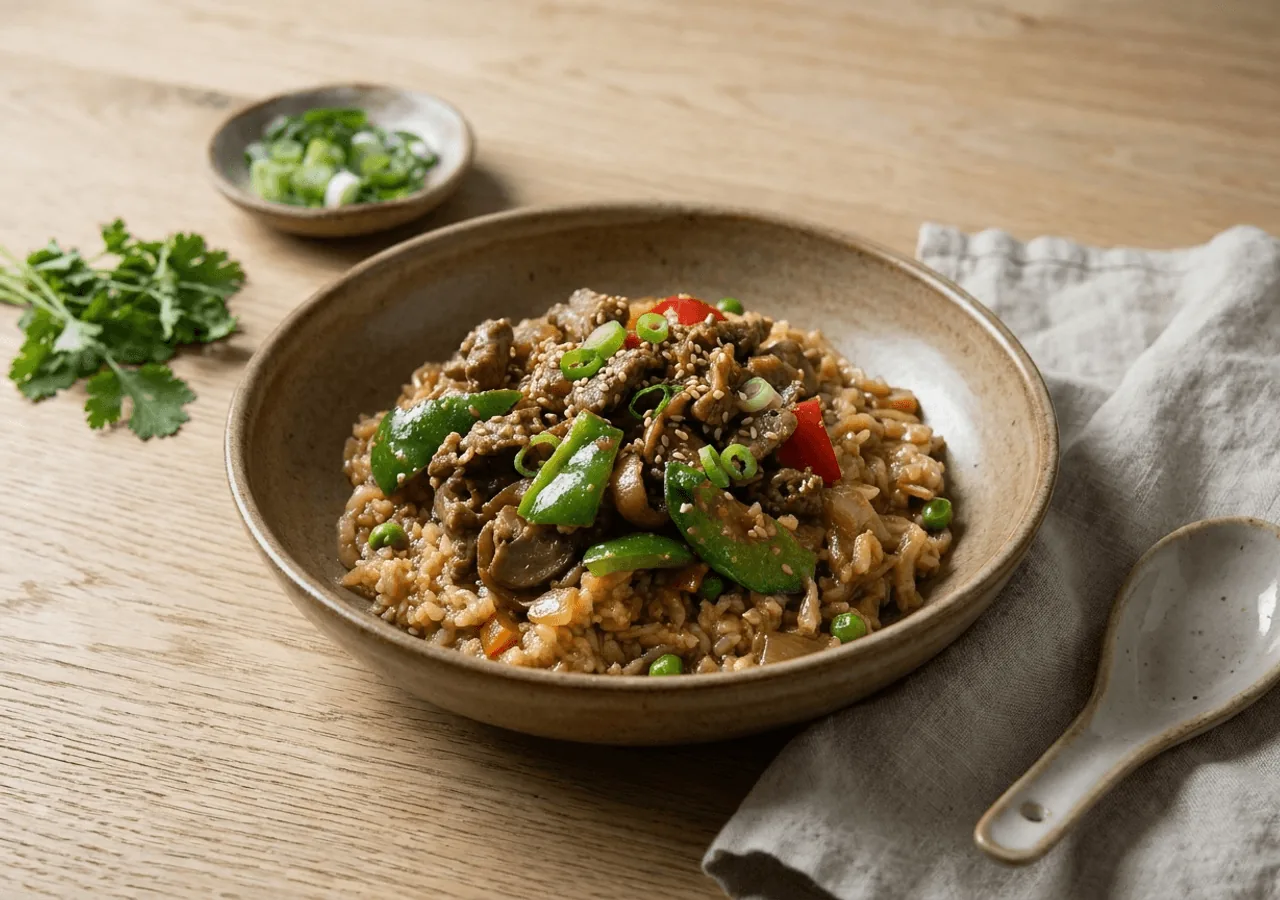 Mongolian Beef (Cauli Rice)287 cal · 26g protein
 Coconut Butter Chicken (Cauli Rice)328 cal · 27g protein
7 meals from $90.65 ($12.95 each) free delivery · 14+ meals $12.30 each · 21+ meals $11.65 each
- Skip, pause or cancel
- Min 7 meals
- SYD · MEL · BNE
- Food, not medicine
The Smaller-Appetite Meals Plan · updated 26 August 2026
Smaller-appetite meals, portioned into one plan.
The 7 meals in this plan
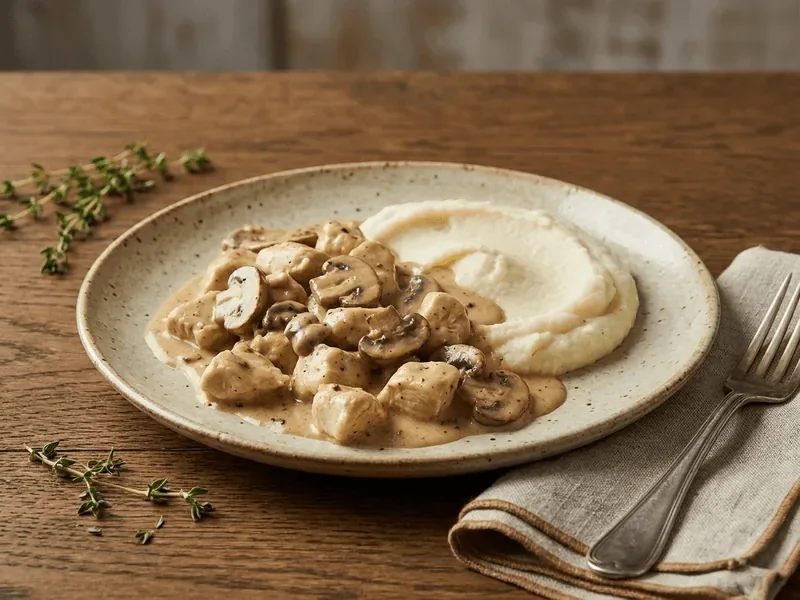
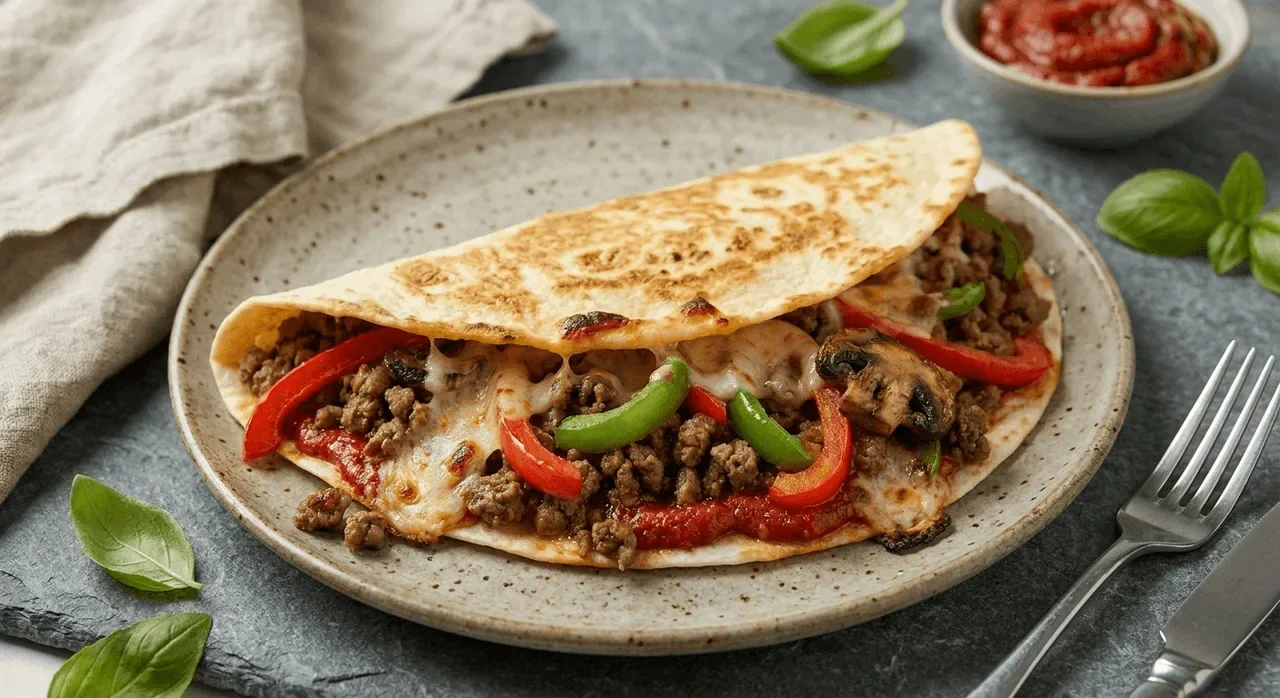


198g of protein across the plan · every macro published before you order.
Seven meals for a reduced appetite — protein-forward, portion-true, macros published. Preptide sells food only. Retatrutide is not TGA-registered in Australia and nothing on this page is medical advice.
- Meals
- 7
- Avg protein
- 28g
- Avg calories
- 309
- The plan
- $90.65
7 meals · $12.95 each · $90.65 free delivery. 14+ meals $12.30 each · 21+ meals $11.65 each — every meal in your box is charged at the tier you reach.
- Skip, pause or cancel
- Min 7 meals
- SYD · MEL · BNE
- Food, not medicine
Three phases, one menu
How it works
- PickTake this plan or build your own box — minimum 7 meals.
- We cook + deliverCooked in our Australian kitchen, delivered chilled on your area’s delivery day.
- Heat + eatAbout three minutes to heat. Skip, pause or cancel before each weekly cutoff.
Never use black-market or grey-market peptides. Ever.
Retatrutide has not been approved by the TGA, the FDA or any other regulator. There is no lawful retail source. Websites selling "retatrutide" as a research peptide operate entirely outside pharmaceutical manufacturing standards — Eli Lilly, its developer, warns that illicit products may contain unknown ingredients, contaminants, too much or too little active ingredient, or the wrong substance altogether.
The only safe path to any weight-management medicine — now or after any future approval — is a doctor's prescription for an approved product, dispensed by a licensed pharmacy. Preptide supplies food, not medication, and nothing on this page is medical advice.
A triple agonist: GLP-1, GIP and glucagon.
Retatrutide is designed to activate three gut-hormone receptors at once. Semaglutide (Ozempic, Wegovy) works on one; tirzepatide (Mounjaro) works on two. Retatrutide adds a third — which is exactly why researchers are studying it, and why regulators are taking their time.
The familiar one.
Glucagon-like peptide-1 — the receptor behind Ozempic, Wegovy and Saxenda-class medicines. Involved in appetite, fullness and how the body responds to a meal. This pathway is why people on GLP-1 medicines eat noticeably less.
The Mounjaro addition.
Glucose-dependent insulinotropic polypeptide — the second receptor tirzepatide added. In trials, the dual GIP/GLP-1 combination produced larger average weight reductions than GLP-1 alone.
The new frontier.
The glucagon receptor is involved in energy expenditure. Adding it is the hypothesis being tested in retatrutide's trials — whether a third pathway helps further. Whether the balance of benefit and risk supports approval is precisely what regulators are assessing.
One naming note: "GLP-3" doesn't exist — it's an informal nickname sometimes used online for retatrutide, not a drug class or receptor. The correct name is retatrutide (common misspellings: retatrutude, retratutide). Our retatrutide food guide covers the naming and regulatory detail.
The trial pipeline, and where retatrutide is on it.
Every prescription medicine walks the same road: phased human trials, then regulatory review, then — only if the evidence holds — approval. Retatrutide is well along that road, but it has not reached the end of it.
Safety & dosing.
Small studies in healthy volunteers established how the molecule behaves in the body and which dose ranges to study further.
The headline results.
A 48-week phase 2 obesity trial published in the New England Journal of Medicine (2023) reported average weight reductions up to roughly a quarter of body weight at the highest dose — the results that made "retatrutide" a search term.
The deciding evidence.
The large TRIUMPH program (e.g. TRIUMPH-1) tests retatrutide in thousands of participants for obesity and related conditions. Several studies have completed; this is the evidence regulators weigh.
Regulatory review.
As of 10 August 2026, no regulator — TGA, FDA or otherwise — has approved retatrutide. Until that changes, it cannot be lawfully prescribed or sold, and any timeline you read online is speculation.
Trial participants eat under controlled research protocols with clinical supervision. Strong phase 2 numbers do not create a public treatment, a safe online product, or an evidence-based "retatrutide diet" — check the TGA and Eli Lilly's official channels for current status.
What a triple-agonist appetite would mean at the table.
Nobody can publish a genuine retatrutide meal plan yet — the medicine isn't approved and no regulator-endorsed food protocol exists. What we do have is a decade of real-world food experience from the approved medicines in the same family, and every step up that family tree has pointed the same direction: appetite shrinks further, fullness arrives sooner, and protein has to arrive in smaller, denser packages.
If retatrutide is approved and your doctor prescribes it one day, the food fundamentals are overwhelmingly likely to rhyme with today's GLP-1 playbook: a protein anchor at every meal (commonly discussed around 1.2–1.6g per kilogram per day, a target to confirm with your clinician), portions small enough to actually finish, gentler lower-fat plates through dose-adjustment weeks, and daily fibre and fluids to keep digestion moving on less food.
Those habits are worth building now — most people researching retatrutide are already on a prescribed GLP-1 or dual agonist, and the routine transfers. Our retatrutide meal plan explainer turns this into a day-by-day framework, and the protein on GLP-1 guide covers the numbers.
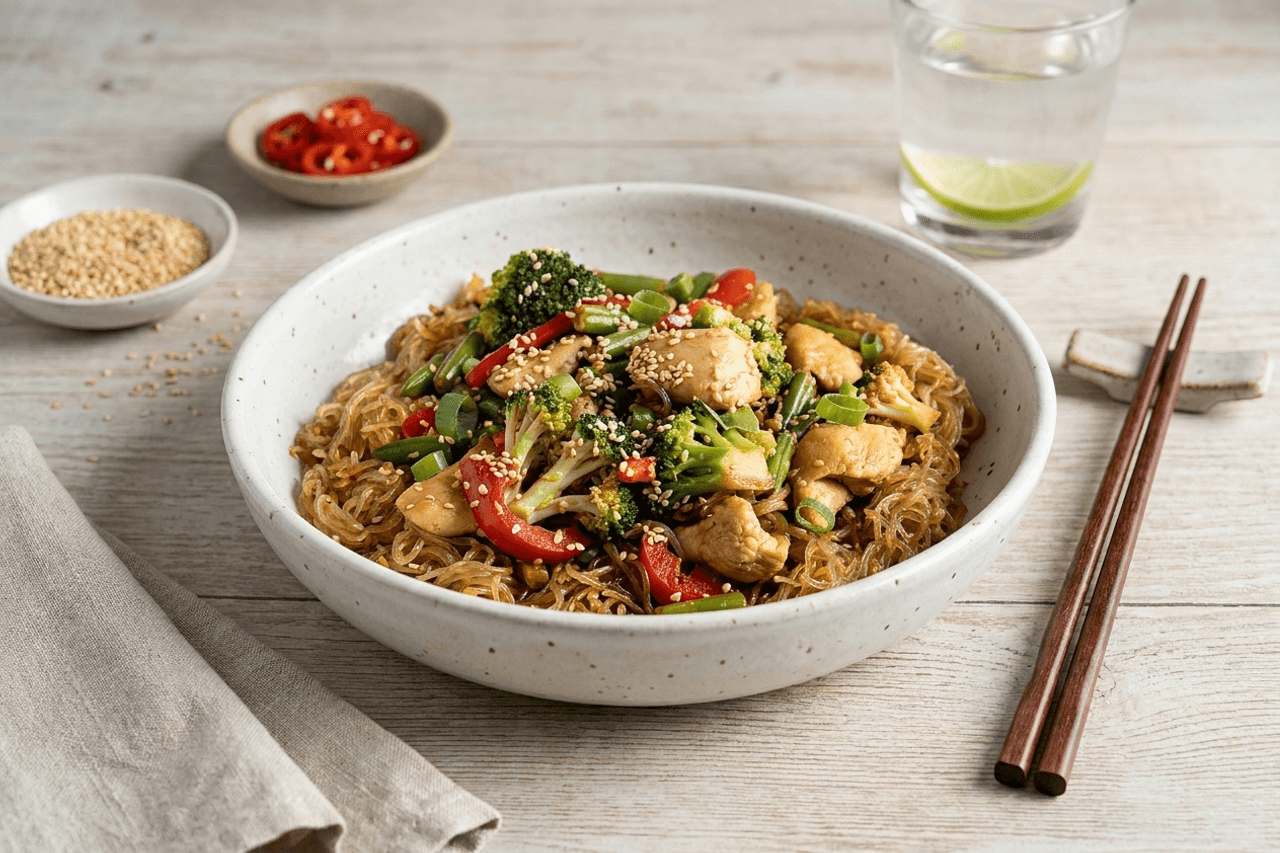
Food you can order today — no speculation required.
Preptide cooks high-protein ready meals sized for reduced appetites and delivers them fresh — never frozen — across Sydney, Melbourne and Brisbane from $11.65–$12.95 per meal. Every dish publishes its calories, protein, carbs and fat up front, and the menu is organised into three phases so portions track your appetite, not the other way round.
That's the whole pitch: we are a food company for small appetites, whatever prescribed medicine (or none) sits behind yours. Take the 60-second quiz to find your phase, or browse this week's menu first. Skip, pause or cancel anytime.
Sources behind this page
Preptide does not supply or advise on medication. These references explain retatrutide's status and the food principles discussed above:
- Jastreboff et al., 2023, New England Journal of Medicine — phase 2 trial of retatrutide in adults with obesity.
- ClinicalTrials.gov: TRIUMPH-1 — phase 3 study record for retatrutide in obesity.
- Eli Lilly: what to know about retatrutide — non-approval status and illicit-product warnings.
- TGA — advertising GLP-1 receptor agonists and unapproved medicines such as retatrutide to the public is prohibited.
- Wharton et al., 2022, Postgraduate Medicine — managing gastrointestinal effects of GLP-1-class medicines, including meal-pattern strategies.
Questions, answered honestly.
Is retatrutide approved in Australia?
No. As of August 2026 retatrutide has not been approved by the TGA or any other regulator. It is an investigational medicine that has been studied in phase 3 clinical trials, and it cannot be lawfully prescribed, sold or advertised in Australia. Any product sold online as retatrutide is not an approved medicine and may be counterfeit or contaminated.
What is retatrutide and how is it different from Ozempic or Mounjaro?
Retatrutide is an investigational triple agonist designed to act on three receptors: GLP-1, GIP and glucagon. Semaglutide (Ozempic, Wegovy) acts on GLP-1 alone, and tirzepatide (Mounjaro) acts on GIP and GLP-1. Retatrutide adds the glucagon receptor on top. That design is why researchers are studying it — but design is not approval; its safety and effectiveness are still being assessed by regulators.
Are there retatrutide meals or a retatrutide diet I should follow?
There is no approved retatrutide diet or meal protocol, because the medicine itself is not approved. Trials run diet and activity support under controlled research protocols, which does not create public food guidance. What does exist is a decade of practical food experience from approved GLP-1-class medicines: smaller protein-forward meals, lower-fat choices on unsettled days, and attention to daily protein. Our retatrutide meal plan explainer works through those principles — as general nutrition planning, not retatrutide-specific advice.
Can I buy retatrutide online to start early?
No — and please don't. Products sold online as retatrutide "research peptides" sit completely outside pharmaceutical manufacturing and clinical oversight. Eli Lilly, the company developing retatrutide, warns that illicit products may contain unknown ingredients, contaminants, the wrong dose or the wrong substance entirely. The only lawful and safe way to use any weight-management medicine is a doctor's prescription for an approved product, dispensed by a licensed pharmacy.
How can I prepare my food routine for when retatrutide is approved?
If retatrutide is approved, prescribers are expected to manage it like other GLP-1-class medicines: stepped dosing, appetite reduction and gastrointestinal adjustment periods. The food habits worth building now are the same ones that already help people on approved medicines — a protein anchor at every meal, portions you can finish, fibre and fluids daily. Preptide's phase-labelled meals let you practise that routine today, and a dietitian or your GP can personalise it.
Does Preptide sell retatrutide or give medical advice?
No on both counts. Preptide is a food company: we cook and deliver high-protein ready meals sized for smaller appetites. We do not sell, supply, recommend or facilitate access to any medicine — approved or investigational — and nothing on this page is medical advice. Medication decisions belong with you and your prescriber.
Preptide is food, not medication, and this page is not medical advice. Preptide does not diagnose, treat, prevent, mitigate or cure any condition, and does not supply, recommend, advertise or facilitate access to retatrutide or any prescription or investigational medicine. Retatrutide's regulatory status can change — check the TGA and the sponsor's official information, and direct all medication questions to your doctor. Only ever use approved, doctor-prescribed medicines dispensed by a licensed pharmacy; never purchase peptides from unregulated sellers. Always consult your doctor or an Accredited Practising Dietitian before changing your diet. Read our full Health Acknowledgement →